
 By
[ad_1]
Integrating CBD into Your Daily Wellness Routine in the United States
As the wellness industry continues to evolve, one compound that has captured public attention is cannabidiol, commonly known as CBD. Derived from the hemp plant, CBD has gained traction not only for its potential health benefits but also for its versatility in consumption. With the legalization of hemp-derived CBD in the United States through the 2018 Farm Bill, individuals are increasingly interested in how to incorporate this compound into their daily lives. This article delves into the latest trends, usage methods, and expert insights on integrating CBD into your wellness routine.
Understanding CBD
CBD is one of many compounds found in the cannabis plant. Unlike its more famous counterpart, THC (tetrahydrocannabinol), CBD is non-psychoactive, meaning it does not produce the “high” associated with recreational cannabis use. Research has shown that CBD may have numerous benefits, such as alleviating anxiety, reducing inflammation, and supporting sleep. A growing body of science is beginning to validate these claims, and many wellness enthusiasts are turning to CBD as a natural remedy amidst rising concerns over pharmaceutical side effects.
In 2023, CBD’s popularity continues to soar, spurred by increased media coverage and celebrity endorsements. Brands are now offering products that range from oil tinctures and capsules to topical creams and edibles. However, despite its growing acceptance, misinformation still exists. It’s essential for consumers to educate themselves and choose reputable brands to ensure quality and safety.
Forms of CBD: Choosing the Right Product
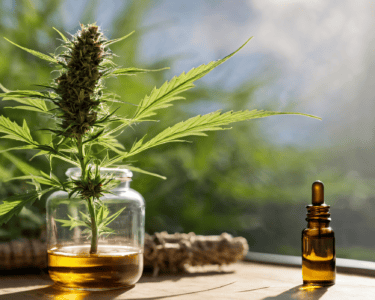
One of the most appealing aspects of CBD is the various forms it comes in, catering to diverse preferences and lifestyles. For those new to CBD, tinctures are often recommended for their ease of use and adjustable dosages. These liquid extracts can be taken sublingually (under the tongue) for quick absorption. Edibles, on the other hand, provide a flavorful and discreet way to consume CBD, perfect for those who may be skeptical about taste or smell.
For individuals seeking localized relief, topical creams infused with CBD can help address specific issues such as joint pain or skin irritations. Additionally, CBD vape products offer rapid onset effects, but they may not be ideal for everyone due to potential lung health concerns. Furthermore, CBD-infused beverages such as teas or coffees are becoming increasingly popular, appealing to consumers looking for a soothing addition to their morning routines.
Finding the Right Dosage
As with any wellness supplement, finding the right dosage of CBD can be trial and error. Experts often suggest starting low and gradually increasing the dosage until the desired effects are achieved. Individual factors such as weight, metabolism, and the specific issue being addressed can influence how much CBD is required for optimal results. Many users report a dosage range of 10 to 30 mg per day as a good starting point, but consulting with a healthcare professional is advisable for personalized recommendations.
Current research highlights the need for more standardized dosing guidelines to ensure safety and efficacy. While some studies suggest that higher doses may be beneficial for specific conditions, anecdotal evidence from users also plays a crucial role in shaping understanding. The ongoing exploration of CBD’s full spectrum of effects will likely bring more clarity to dosage recommendations in the future.
The Legal Landscape
It’s important to note that despite the legal status of hemp-derived CBD, regulations are still evolving. Currently, the FDA has not approved CBD for most health claims, despite its popularity. Various states have introduced their own regulations, further complicating the landscape. Consumers must stay informed about these laws, especially regarding purchasing and utilizing CBD products. Doing so ensures both compliance with legal standards and personal safety.
In recent news, the FDA has begun to explore potential regulations for CBD in food and dietary supplements, indicating a shift towards a more structured market. This move is anticipated to provide a clearer framework for producers and consumers alike, enhancing confidence in product quality and effectiveness.
Incorporating CBD into Your Routine
Integrating CBD into your daily wellness routine can be seamless and rewarding. Begin by identifying specific health goals, such as reducing anxiety, enhancing sleep quality, or managing chronic pain. From there, select a CBD product that aligns with those objectives. For example, individuals seeking assistance with sleep might benefit from a nighttime CBD tincture or gummy, while those looking to manage stress could opt for a flavored CBD beverage during the day.
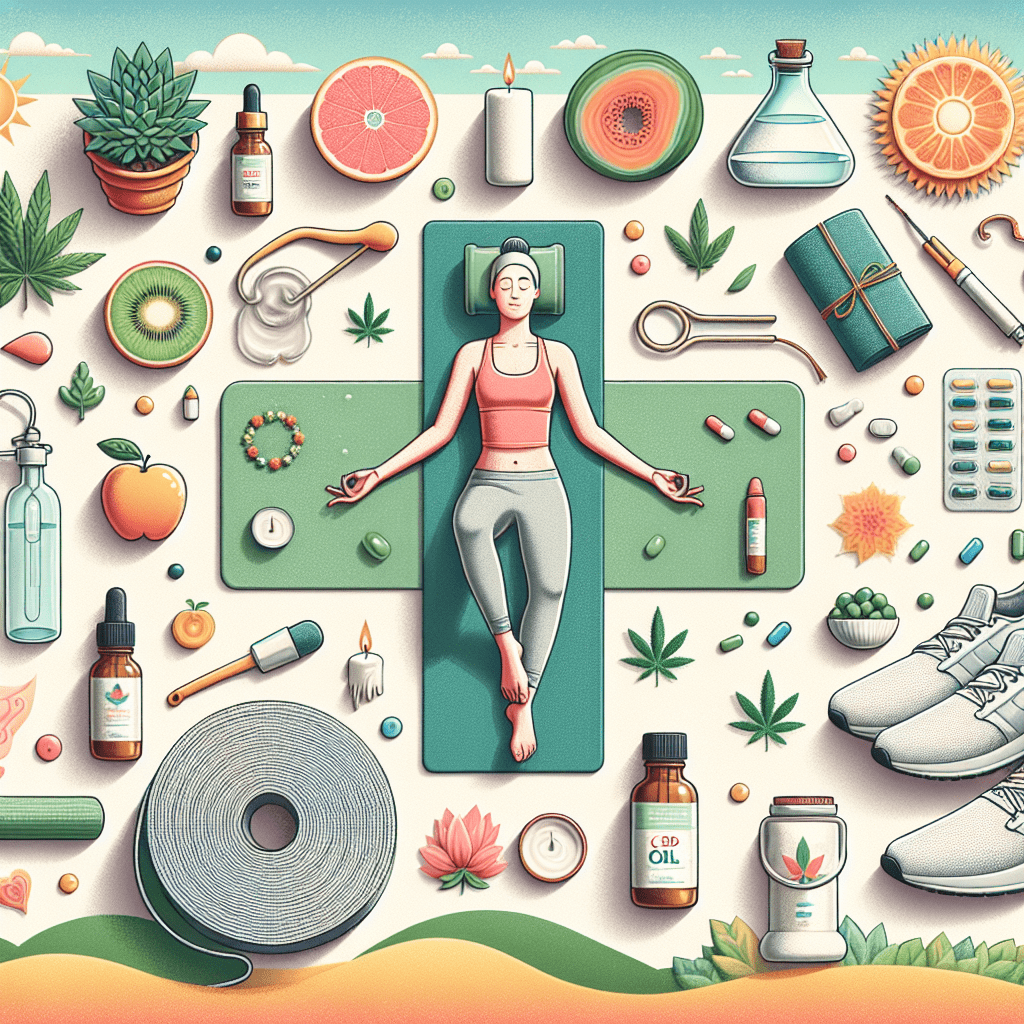
Incorporate CBD at a consistent time each day, similar to how you might take vitamins or other supplements. This routine helps you to monitor your response to the product and make adjustments as needed. Many users find that combining CBD with other wellness practices, such as yoga or meditation, can amplify its effects.
Concluding Thoughts
As awareness of CBD continues to rise, its presence in the wellness community is becoming increasingly mainstream. While the benefits are promising, it’s essential to approach CBD with an informed mindset. For anyone looking to enhance their daily wellness routine, CBD offers a versatile foundation to support mental and physical health. As regulations evolve, consumers can anticipate a more structured marketplace, leading to enhanced safety and effectiveness of products.
Whether you are a seasoned enthusiast or just curious about the potential benefits of CBD, integrating it into your daily routine can open up new avenues for wellness. Moving forward, staying informed and engaged with the evolving landscape of CBD will undoubtedly contribute to well-rounded health and vitality in this rapidly changing world.
[ad_2]