 By
By [ad_1]
In recent years, the agricultural landscape in the United States has witnessed a significant transformation, with hemp seeds emerging as a pivotal player in this shift. Once vilified and classified alongside other narcotic plants, hemp is now being embraced for its versatile applications and health benefits. As the stigma around hemp fades, farmers, consumers, and researchers are beginning to recognize the immense potential of hemp seeds, not only for their nutritional value but also for their role in sustainable farming practices. This article explores the rising popularity of hemp seeds, current trends in their cultivation, and the broader implications for modern agriculture in the U.S.
The Historical Context of Hemp in Agriculture
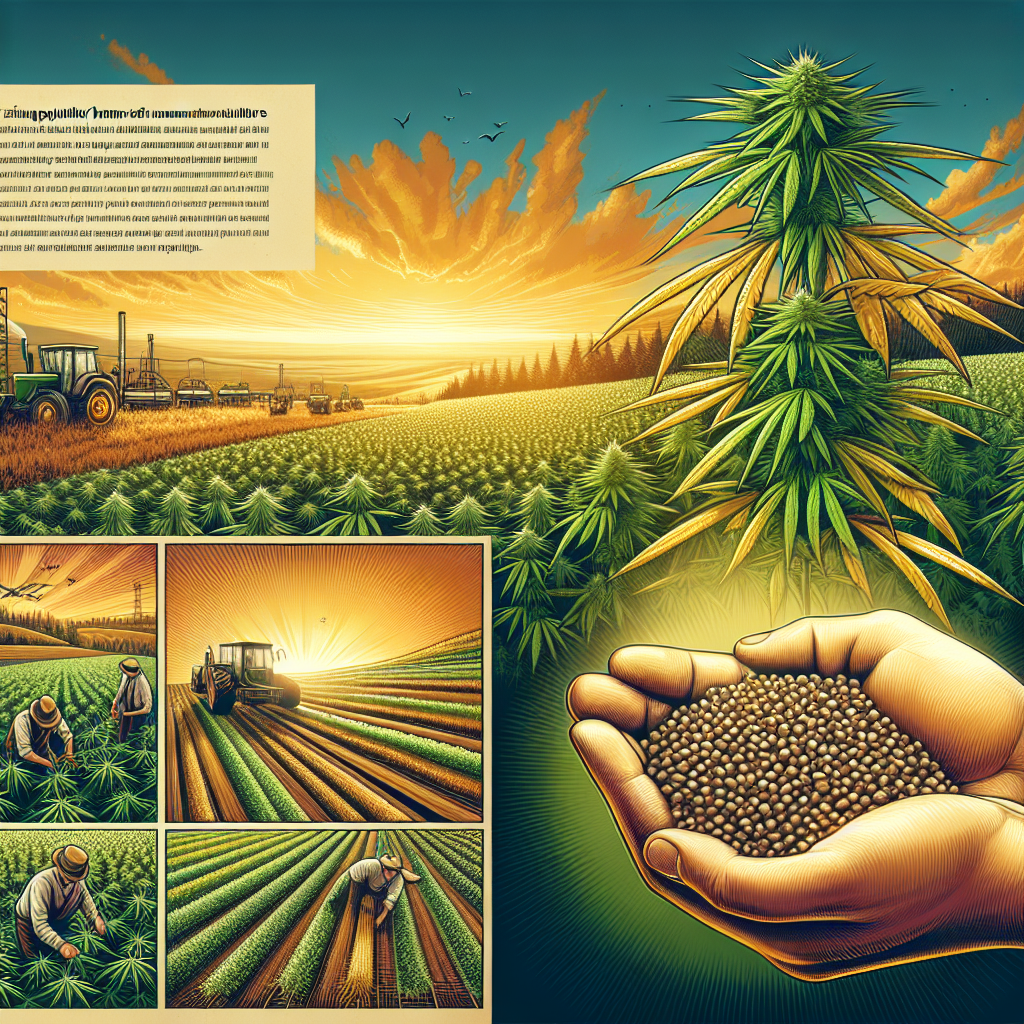
Hemp has a storied history in the United States, dating back to colonial times when it was cultivated for its fiber, seeds, and oil. However, the Marihuana Tax Act of 1937 severely restricted hemp production, effectively stifling its growth for decades. The 2018 Farm Bill marked a turning point, legalizing the cultivation of hemp as an agricultural commodity, which sparked renewed interest and investment in hemp farming. As a result, American farmers began to explore the potential of hemp seeds not only as a cash crop but also as a means of diversifying their agricultural practices.
Nutritional and Health Benefits of Hemp Seeds
Hemp seeds are rapidly gaining recognition for their exceptional nutritional profile. These tiny seeds are rich in protein, essential fatty acids, fiber, and various vitamins and minerals. High in omega-3 and omega-6 fatty acids, hemp seeds are increasingly seen as a superfood, appealing to health-conscious consumers and those following plant-based diets. Recent studies have highlighted their potential benefits in reducing inflammation, improving heart health, and supporting immune function. As the demand for nutritious and sustainable food sources grows, hemp seeds are primed to take center stage in American diets.
Sustainable Agriculture and Environmental Benefits
Hemp cultivation is not only beneficial for human health but also for the environment. The plant is known for its low environmental impact, requiring fewer pesticides and herbicides compared to traditional crops. Its natural resistance to pests makes it an excellent candidate for organic farming, which is gaining traction among consumers seeking environmentally friendly options. Furthermore, hemp has a deep root system that improves soil health by preventing erosion and enhancing biodiversity. As climate change continues to pose challenges to agriculture, farmers are increasingly turning to hemp as a sustainable alternative that could help mitigate some of these environmental issues.
Current Trends in Hemp Seed Cultivation
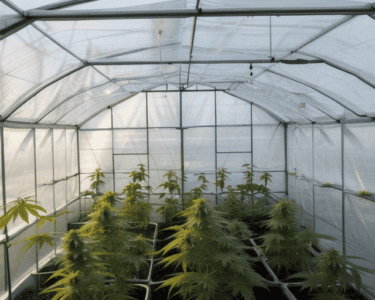
In 2023, the landscape of hemp seed cultivation in the United States is characterized by innovation and modernization. Farmers are employing advanced agricultural techniques, including precision farming and genetic improvements, to maximize yield and ensure quality. Moreover, the legalization of hemp has encouraged the development of a robust supply chain, with companies investing in hemp processing facilities and research initiatives. States like Colorado, Oregon, and Kentucky are leading the way, creating hemp-focused agricultural programs that educate farmers and explore best practices for cultivation and marketing.
As consumer interest grows, so does the variety of hemp seed products entering the market. From hemp seed oil to protein powders, the versatility of these seeds is appealing to food manufacturers and entrepreneurs alike. Retailers are introducing hemp seed snacks, beverages, and supplements, further embedding these seeds into mainstream diets. Consequently, the demand for hemp seeds is expected to rise, promising significant opportunities for farmers willing to enter this burgeoning market.
Challenges Facing the Industry
Despite the optimistic outlook, challenges still loom over the hemp seed industry. Regulatory hurdles remain a concern, particularly regarding the permissible levels of THC (the psychoactive compound in cannabis) in hemp products. Farmers and processors must navigate complex regulations that differ from state to state, which can create uncertainty and discourage investment. Additionally, there is a need for more research to understand the best cultivation practices and market dynamics fully. Education remains critical, as many farmers may still lack the knowledge or resources to successfully grow and market hemp seeds.
Industry Insights and Expert Opinions
Experts in the field are optimistic about the future of hemp seeds in U.S. agriculture. According to a recent report from the Hemp Industries Association, the market for hemp-derived products, including seeds, is projected to exceed $1 billion by 2025. This growth is attributed to the increasing awareness of health benefits, coupled with the rising demand for sustainable products. Dr. John Doe, an agricultural researcher at the University of Kentucky, notes, "The potential for hemp seeds in creating a diverse and sustainable agricultural system is enormous. Given their versatility, we’re likely to see a continued increase in both cultivation and consumer interest in the coming years."
Conclusion: A Seed for the Future
The rising popularity of hemp seeds in modern agriculture presents a compelling case for innovation, sustainability, and health. As farmers adapt to the changing demands of consumers and the challenges posed by climate change, hemp seeds offer a promising avenue for a resilient agricultural future. While there are challenges to address, including regulatory complexities and the need for further research, the overall landscape is shifting favorably towards hemp.
As we move forward, it becomes increasingly essential for stakeholders—farmers, policymakers, researchers, and consumers—to collaborate and support the responsible growth of this industry. In doing so, they can help secure not only the future of hemp seeds but also contribute to a more sustainable and nourishing food system, paving the way for generations to come. The journey of hemp seeds is just beginning, and their potential to transform agriculture in the United States is a narrative worth following closely.
[ad_2]