 By
By [ad_1]
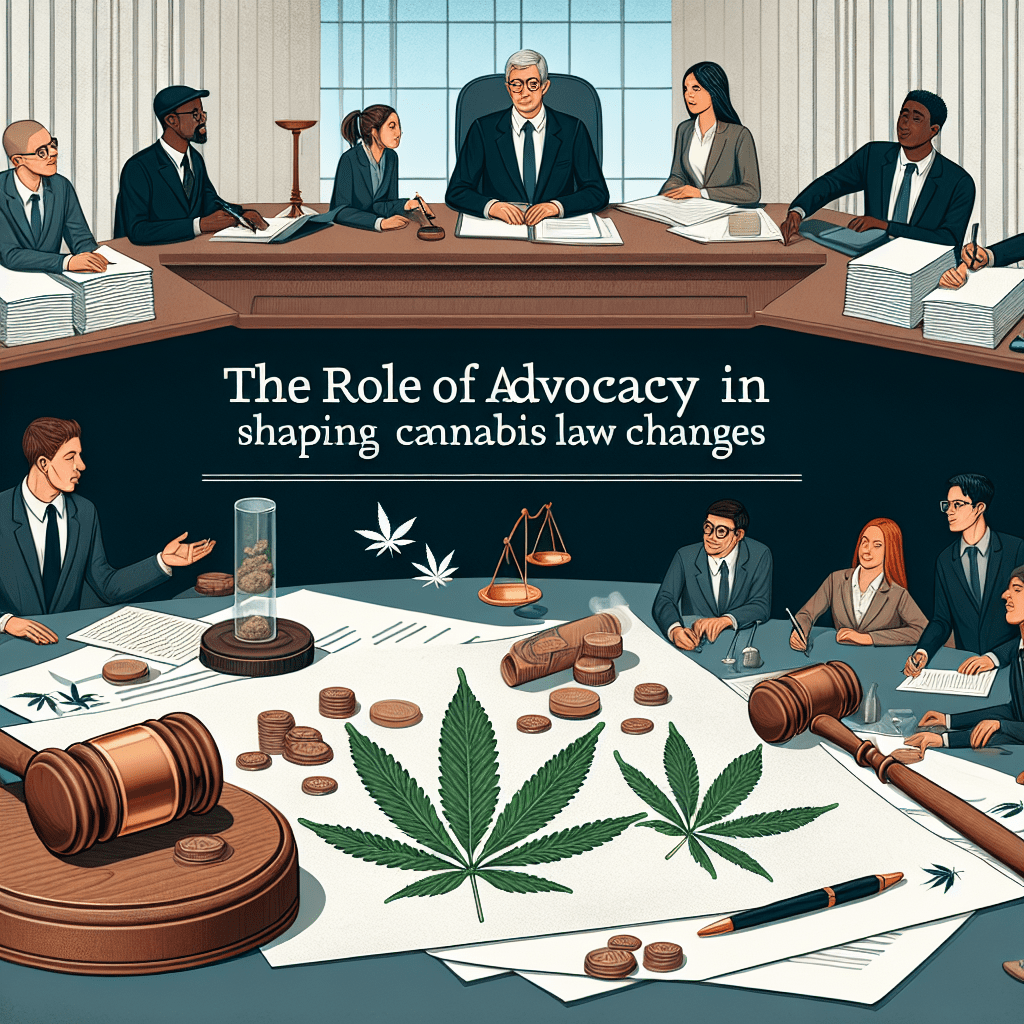
The Role of Advocacy in Shaping Cannabis Law Changes in the United States
The landscape of cannabis legislation in the United States has undergone a profound transformation over the past few decades. Central to this evolution has been the relentless advocacy of individuals and organizations dedicated to reforming cannabis laws. Their efforts have not only influenced public opinion but have also been instrumental in enacting significant legislative changes at both state and federal levels.
Historical Context and the Rise of Cannabis Advocacy
Cannabis prohibition in the U.S. dates back to the early 20th century, with the 1970 Controlled Substances Act classifying marijuana as a Schedule I substance, deemed to have no accepted medical use and a high potential for abuse. This classification severely restricted research and medical use. However, as public awareness grew about the potential medical benefits of cannabis, advocacy groups began to challenge these stringent laws. Organizations like the National Organization for the Reform of Marijuana Laws (NORML), founded in 1970, played a pivotal role in educating the public and lobbying for policy changes.
State-Level Legislative Achievements
Advocacy efforts have led to significant state-level reforms. As of 2024, 24 states have legalized cannabis for adult recreational use, and 38 states have approved medical cannabis programs. For instance, in 2023, Maryland legalized cannabis possession, personal cultivation, and retail sales, while Connecticut allowed adults to cultivate marijuana at home for personal use. (norml.org) These milestones are the result of years of grassroots mobilization, public education campaigns, and strategic lobbying by advocacy groups.
Federal-Level Reforms and Challenges
At the federal level, advocacy has been instrumental in initiating significant policy shifts. In 2022, the Medical Marijuana and Cannabidiol Research Expansion Act was signed into law, aiming to expand cannabis research and streamline the federal application process for scientific studies. (cannabisbusinesstimes.com) Additionally, in 2023, the Department of Health and Human Services recommended reclassifying cannabis from Schedule I to Schedule III under the Controlled Substances Act, acknowledging its medical potential. (blog.mpp.org) Despite these advancements, challenges persist, including opposition from anti-legalization groups and the need for comprehensive federal legalization. (reuters.com)
Economic and Social Impacts of Legalization
The advocacy-driven legalization of cannabis has yielded substantial economic benefits. By early 2024, states with legal adult-use cannabis markets had collectively generated over $20 billion in tax revenue. (blog.mpp.org) These funds have been allocated to public health programs, education, and addiction treatment services. Socially, legalization has led to a reduction in cannabis-related arrests, addressing racial disparities in incarceration rates. However, concerns remain regarding public health, with studies linking heavy cannabis use to increased risks of cardiovascular events and mental health disorders. (time.com)
The Future of Cannabis Advocacy
Looking ahead, cannabis advocacy continues to evolve. Organizations are now focusing on federal legalization, social equity, and expungement of prior convictions. The reintroduction of the STATES Act in 2025, which aims to allow states to enforce their own marijuana laws without federal interference, reflects this shift. (en.wikipedia.org) Additionally, advocacy groups are addressing challenges such as the rise of anti-legalization movements and the need for comprehensive public health strategies. (reuters.com)
Conclusion
The role of advocacy in shaping cannabis law changes in the United States is both profound and ongoing. Through persistent efforts, advocates have transformed public perception, influenced policy decisions, and driven legislative reforms. As the movement progresses, continued advocacy will be crucial in addressing emerging challenges and ensuring that cannabis policies are equitable, evidence-based, and responsive to the needs of all communities.
Recent Developments in U.S. Cannabis Legislation:
- Update on the DEA’s efforts to reschedule cannabis: what you need to know
- Trio of ballot failures leads marijuana backers to refocus their efforts for recreational weed
- Cannabis legalization pushback: Anti-legalization groups ramp up efforts to stop the green wave
[ad_2]