 By
By The Role of CBD in Hormonal Health: What Women Should Know in the United States
In recent years, Cannabidiol (CBD) has gained significant attention for its potential therapeutic benefits across various health issues, including anxiety, pain, inflammation, and more. Among its diverse applications, CBD has emerged as a compelling option for hormonal health, particularly for women navigating the complexities of their hormonal cycles. This article explores the role of CBD in hormonal health, what women should know, and the current landscape of CBD use in the United States.
Understanding Hormonal Health
Hormonal health plays a pivotal role in a woman’s overall well-being, affecting everything from mood and energy levels to reproductive health. Hormones, including estrogen, progesterone, and testosterone, govern various biological functions and can be influenced by numerous factors, including lifestyle, diet, stress, and environmental toxins. Hormonal imbalances can lead to complications such as menstrual irregularities, menopausal symptoms, and conditions like polycystic ovary syndrome (PCOS).
Introduction to CBD
CBD is a non-psychoactive compound derived from the hemp plant, which is part of the Cannabis sativa family. Unlike its more famous counterpart, tetrahydrocannabinol (THC), CBD does not induce a “high.” Instead, it interacts with the body’s endocannabinoid system (ECS), which plays a crucial role in regulating various physiological processes. The ECS is involved in maintaining homeostasis, affecting mood, pain perception, inflammation, and even hormonal balance.
The Connection Between CBD and Hormonal Health
1. Reducing Stress and Anxiety
One of the most studied benefits of CBD is its potential to alleviate anxiety and stress. Women are statistically more likely to experience anxiety disorders, which can exacerbate hormonal imbalances. Chronic stress activates the adrenal glands to produce cortisol, a hormone that, when elevated for prolonged periods, can affect estrogen and progesterone levels. By modulating the stress response, CBD may help restore hormonal balance and improve emotional well-being.
2. Easing PMS and Menstrual Cramps
Menstruation can come with a host of uncomfortable symptoms, from cramps to mood swings. Researchers have explored CBD’s anti-inflammatory and analgesic properties, suggesting that it could help alleviate menstrual cramps and discomfort. Some studies show that CBD can reduce prostaglandin production, which contributes to inflammation and pain during menstruation, potentially making it a natural remedy for those who experience severe menstrual discomfort.
3. Supporting Menopausal Health
Menopause marks a significant shift in a woman’s hormonal landscape, often leading to symptoms such as hot flashes, night sweats, and mood swings. Some preliminary research indicates that CBD may help manage these menopausal symptoms due to its calming effects and potential to regulate temperature sensations. Additionally, the anti-inflammatory properties of CBD could help support joint and muscle health during this transitional phase.
4. Addressing PCOS Symptoms
Polycystic ovary syndrome (PCOS) is a common hormonal disorder that affects many women of reproductive age. Symptoms can include irregular periods, weight gain, acne, and excessive hair growth. While research is still in its infancy, some studies suggest that CBD might help regulate insulin levels and reduce inflammation, both of which could be beneficial for women managing PCOS. Moreover, CBD’s potential to improve mood may also support women dealing with the emotional fallout of this condition.
Current Landscape of CBD Use in the United States
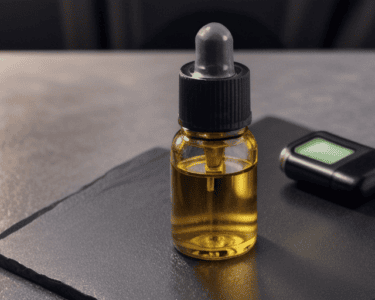
As of 2023, the legal status of CBD in the United States has evolved significantly after the 2018 Farm Bill legalized hemp-derived CBD with less than 0.3% THC. This legalization has led to an explosion in the availability of CBD products in various forms, including oils, capsules, edibles, and topical applications.
Safety and Considerations
Despite its promising benefits, women looking to incorporate CBD into their health routine should consider a few factors:
-
Consult a Healthcare Professional: Before starting CBD, especially for hormonal health issues, it’s essential to speak with a healthcare provider. They can offer guidance on dosage, potential interactions with other medications, and suitability based on individual health needs.
-
Quality Matters: Not all CBD products are created equal. Women should look for products that include third-party testing, provide detailed ingredient lists, and have a transparent sourcing process to ensure safety and efficacy.
-
Individual Responses: Every person’s body is different, and responses to CBD can vary. It’s important to start with a low dose and gradually increase while monitoring how one feels.
- Regulatory Environment: As CBD continues to be scrutinized by regulatory bodies, staying informed about local laws and regulations regarding CBD use is crucial, especially for women considering using it for hormonal health.
Conclusion
While research into CBD and its effects on hormonal health is still evolving, early findings suggest that it could be a valuable ally for women dealing with hormonal imbalances. From alleviating menstrual cramps to managing menopause symptoms and reducing stress, CBD offers a multifaceted approach to supporting hormonal health. As with any supplement, informed choices backed by professional guidance will ensure that women can harness the potential benefits of CBD while prioritizing their overall health and well-being.