 By
By The Role of CBD in Promoting Better Sleep Quality in the United States
As sleep deprivation continues to be a growing concern in the United States, with over a third of Americans reporting insufficient sleep, many are turning to alternative remedies to enhance their nightly rest. Among these, cannabidiol, or CBD, has emerged as a notable contender in the quest for better sleep quality. Understanding what CBD is, how it works, and why it is gaining traction can provide clarity on its role in addressing sleep-related challenges.
CBD is a non-psychoactive compound derived from the hemp plant, part of the cannabis family. Unlike its well-known counterpart, tetrahydrocannabinol (THC), CBD does not produce a “high,” making it an appealing option for those seeking therapeutic benefits without the psychoactive effects. In recent years, CBD products have exploded onto the market, supported by changing perceptions of cannabis and new regulations that promote its use. Many individuals are now exploring CBD’s potential to improve sleep quality, given the compound’s reported ability to relieve anxiety, which is often a precursor to sleep disorders.
Current research suggests that CBD may play a vital role in regulating sleep cycles. The human body has an endocannabinoid system (ECS) that interacts with cannabinoids like CBD. This system is involved in regulating a range of functions, including mood, pain tolerance, and, notably, sleep. Studies indicate that CBD may influence the ECS by promoting relaxation and reducing the stress response, making it easier for individuals to fall asleep and enjoy uninterrupted rest. For example, a recent study published in the Journal of Clinical Psychology highlighted that CBD administration was associated with significant reductions in insomnia and anxiety symptoms in participants.
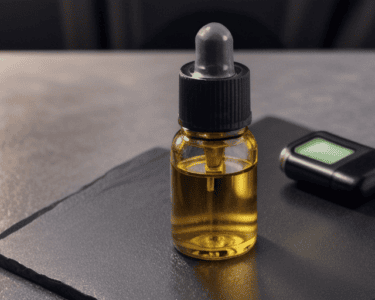
Growing interest in wellness and holistic health solutions has also contributed to CBD’s popularity. Many Americans now prefer natural remedies over pharmaceutical options that may come with unwanted side effects. In 2023, the market for CBD products has grown tremendously, with offerings ranging from oils and tinctures to edibles and topicals specifically designed to enhance sleep quality. These products are often marketed with claims of promoting relaxation, reducing stress, and facilitating deeper sleep, drawing in consumers seeking alternatives to traditional sleep aids.
However, amid the buzz, it is essential to approach CBD with a discerning eye. Regulatory bodies like the FDA have yet to issue definitive guidelines regarding the use of CBD for sleep disorders. This lack of regulation has led to concerns about product quality, labeling accuracy, and the potential for misleading claims. Experts advise consumers to look for products that have been third-party tested and to consult with healthcare professionals before starting any new regimen. Current discussions in the health community are centered around the need for more rigorous scientific research to substantiate CBD’s effects on sleep, as well as its safe dosage levels.
Interestingly, anecdotal evidence has also fueled CBD’s rise as a go-to sleep aid. Many users share positive testimonials about their experiences with CBD, noting improvements in their sleep patterns and overall well-being. Recent polls indicate that a significant number of American adults who have tried CBD report better sleep quality. This grassroots support often drives further interest, as users share their stories on social media platforms and wellness blogs, emphasizing the perceived benefits of integrating CBD into their nightly routines.
As we delve deeper into the science of sleep and the health implications of cannabinoids, the conversation around CBD continues to evolve. A growing body of research is investigating not only sleep quality but also the potential for CBD to address various sleep disorders such as insomnia, sleep apnea, and REM sleep behavior disorder. For instance, recent findings published in the Journal of Clinical Pharmacology suggested that CBD may not only help individuals fall asleep but could also enhance the overall quality of sleep by reducing nighttime awakenings.
While the future appears promising, it’s crucial to remain aware of the caveats surrounding CBD usage. The interaction between CBD and other medications, as well as individual differences in metabolism, underscores the importance of a cautious and informed approach. Additionally, the potential for dependence on any sleep aid—natural or pharmaceutical—raises ethical questions about how society approaches sleep hygiene and treatment.
As we navigate this exciting and rapidly changing landscape, it becomes essential to advocate for informed choices regarding CBD for sleep. Consumers should prioritize education about the product they select, seek transparency from manufacturers, and consider holistic lifestyle approaches to sleep improvement, integrating CBD as one part of a broader strategy.
In conclusion, while CBD holds significant potential for promoting better sleep quality in the United States, the journey is just beginning. As research progresses and regulations evolve, one thing remains clear: understanding the interplay between CBD and sleep is a crucial step for those seeking better rest. For the countless individuals grappling with sleepless nights, CBD may indeed offer a beacon of hope. However, responsible usage and a commitment to informed decision-making will be pivotal in harnessing its benefits effectively. As society continues to confront the challenges of sleep deprivation, the conversation around CBD provides a unique lens through which to explore not only our relationship with sleep but also the broader implications of wellness in the modern age.