 By
By The Science Behind Cannabis and Epilepsy Treatment in the United States
In recent years, cannabis has emerged from the shadows of stigma to become a focal point of medical research, particularly in its role as a treatment for epilepsy. As nearly 3.4 million people in the United States live with epilepsy, a neurological disorder characterized by recurrent seizures, the search for effective treatments is ever-pressing. Amid ongoing debates surrounding cannabis legalization, scientific inquiry into its therapeutic properties continues to gain momentum. This article explores the science of cannabis in the context of epilepsy treatment, reflecting on current research, trends, and expert insights.
Understanding Epilepsy and Conventional Treatments
Epilepsy is a diverse condition that can manifest in various forms, with seizures ranging from mild lapses to severe convulsions. The traditional approach to managing epilepsy often involves antiepileptic drugs (AEDs), which can be quite effective but also come with a range of side effects and complications. In some cases, up to one-third of patients become resistant to these medications, leading to severe and disruptive seizures that can significantly impair quality of life. Moreover, the trial-and-error nature of finding the right medication can prolong suffering, driving patients and their families to seek alternative treatments, including cannabis.
Cannabis: A Legislative and Scientific Shift
The recent years have witnessed significant shifts in public perception and legislation around cannabis. In 2018, the U.S. Food and Drug Administration (FDA) approved Epidiolex, a purified form of cannabidiol (CBD), for the treatment of certain types of epilepsy, including Dravet syndrome and Lennox-Gastaut syndrome. This approval marked a watershed moment, acknowledging cannabis as a legitimate medical option—a factor that has spurred increased interest and investment in research.
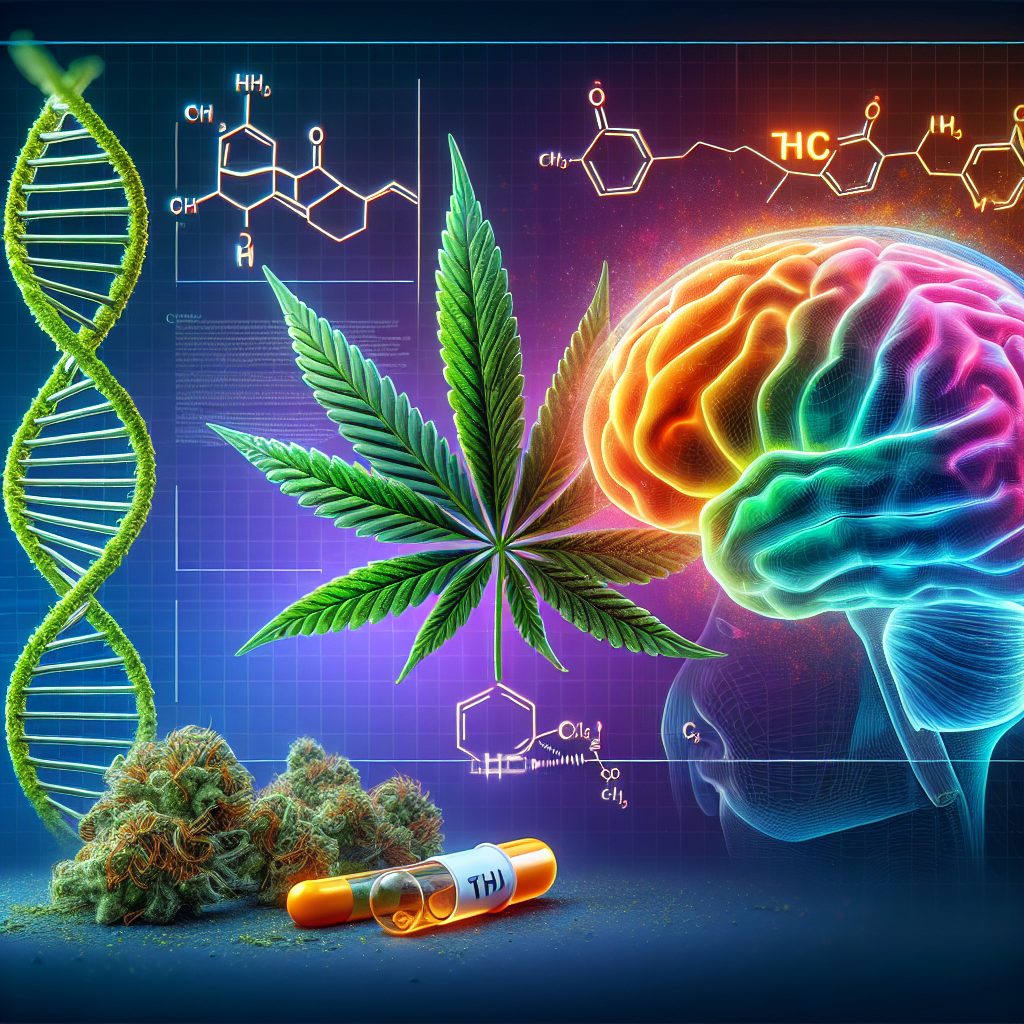
Clinical studies have shown that CBD can reduce the frequency of seizures in patients with these intractable forms of epilepsy. The mechanism through which CBD operates appears to be multifactorial; it engages various receptors in the brain, thereby modulating excitability and promoting neuroprotection. This non-psychoactive compound distinguishes itself from THC (tetrahydrocannabinol), the primary psychoactive component of cannabis, making it an appealing option for patients who wish to avoid the high associated with recreational use.
Current Research and Findings
New studies continue to support the efficacy of cannabis compounds in treating epilepsy. For instance, a recent meta-analysis published in the Journal of Epilepsy Research reviewed multiple trials and found that nearly 80% of patients reported a reduction in seizure frequency while using CBD. Furthermore, an analysis conducted by researchers at the University of California, San Diego, revealed that patients using CBD experienced not just fewer seizures but also improved quality of life, both physically and psychologically.
Experts have pointed out that while these findings are promising, more research is necessary to fully understand the long-term effects and potential side effects of cannabis use in epilepsy treatment. Concerns about the safety profile of CBD, particularly in terms of drug interactions and its effects on liver enzymes, remain valid points of discussion within the medical community. As the FDA continues to regulate cannabis-derived products, maintaining a focus on high-quality, controlled studies will be crucial in determining the best practices for patient care.
Trends in Patient Experiences and Advocacy
An essential part of the conversation around cannabis and epilepsy is the voice of patients and their families. Social media and various patient advocacy groups have played a key role in raising awareness about the benefits of medicinal cannabis. They advocate for not just broader access but also for better regulation and quality control of products available in the market. Patients have reported transformative experiences with CBD, highlighting significant reductions in seizure frequency, and improvements in overall quality of life.
Additionally, a growing body of anecdotal evidence suggests that cannabis may enhance the effectiveness of traditional AEDs, offering patients a complementary treatment approach. However, patients must approach this treatment with caution and ideally under medical supervision to manage any potential interactions with existing medications.
Looking Ahead: The Future of Cannabis in Epilepsy Treatment
As more states in the U.S. legalize cannabis for medicinal use, the landscape is shifting rapidly. Ongoing research, along with positive patient testimonials, is leading to a burgeoning market for cannabis-based therapeutics. Biopharmaceutical companies are actively exploring formulations that combine CBD with other cannabinoids or compounds that may offer synergistic benefits.
Efforts to standardize dosing and delivery methods are also critical in ensuring safety and efficacy. Researchers advocate for a concerted effort to develop clinical guidelines that can help clinicians make informed treatment decisions based on emerging scientific evidence.
Conclusion: A New Era of Possibilities
In conclusion, the intersection of cannabis and epilepsy treatment represents a pivotal moment in medical science. With the backing of legislative support and burgeoning research, cannabis stands poised to redefine treatment paradigms for epilepsy. While skepticism remains, the growing body of evidence supporting its benefits cannot be overlooked. As we look to the future, it is essential for all stakeholders—patients, healthcare providers, researchers, and policymakers—to remain engaged in an open dialogue. As our understanding deepens, the possibilities for effectively managing epilepsy with cannabis could herald a new era in patient care, one characterized by improved outcomes and a better quality of life for millions affected by this neurological condition.