
 By
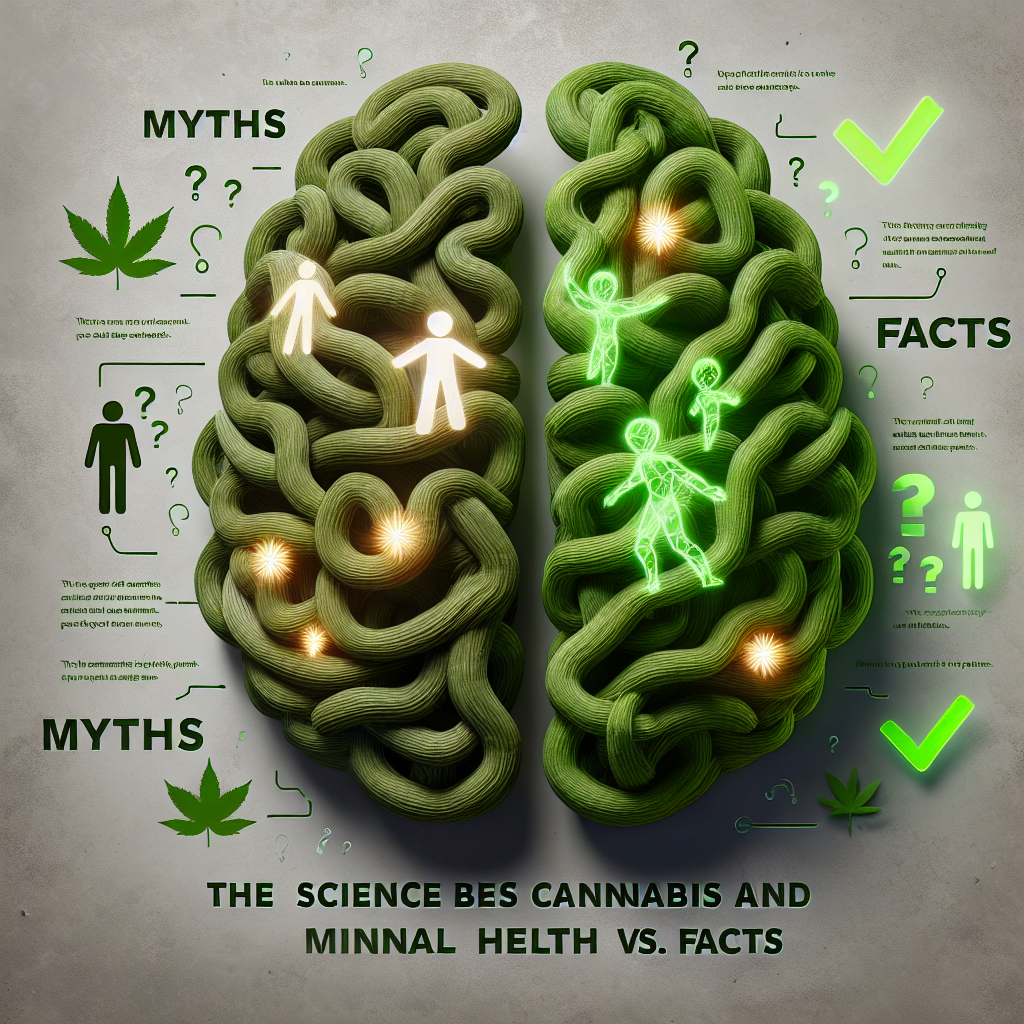
By The Science Behind Cannabis and Mental Health: Myths vs. Facts in the United States
With the increasing legalization of cannabis across the United States for both medical and recreational use, there is a growing discourse surrounding its effects on mental health. Many individuals are turning to cannabis in hopes of alleviating symptoms of mental health conditions like anxiety, depression, and PTSD. However, the relationship between cannabis and mental health is complex, often fueled by myths and misconceptions. Understanding the science behind this relationship is crucial for both consumers and health professionals alike.
Understanding Cannabis Components
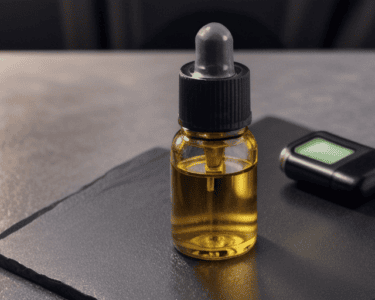
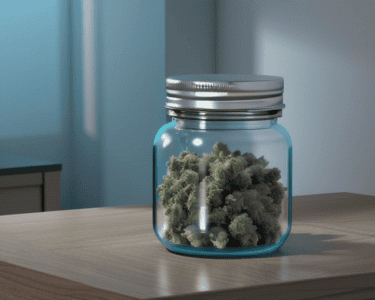
Cannabis consists of various compounds known as cannabinoids, the most well-known being tetrahydrocannabinol (THC) and cannabidiol (CBD). THC is the psychoactive component responsible for the "high" associated with marijuana use, while CBD is non-psychoactive and has been touted for its potential therapeutic benefits.
The Benefits: Facts vs. Myths
One of the most pervasive myths is that cannabis is a universal remedy for mental health disorders. Anecdotal evidence and personal accounts often highlight positive experiences; however, scientific research reveals a more nuanced reality.
-
Cannabis and Anxiety:
- Myth: Cannabis always alleviates anxiety.
- Fact: Research indicates that while low doses of THC may reduce anxiety, higher doses can exacerbate it. A 2021 study published in the journal Psychopharmacology found that the same THC dose could elicit both anxiolytic (anxiety-reducing) and anxiogenic (anxiety-inducing) effects, depending on individual predisposition and environmental context.
-
Cannabis and Depression:
- Myth: Cannabis can cure depression.
- Fact: Current studies show mixed results. Some consumers report temporary relief from depressive symptoms, while others may find that cannabis exacerbates their condition or leads to dependency. A comprehensive review published in JAMA Psychiatry indicated a higher prevalence of depressive disorders among chronic cannabis users. Furthermore, heavy use during adolescence has been linked to an increased risk of developing depression in later life.
- Cannabis and PTSD:
- Myth: Cannabis is the best treatment for PTSD.
- Fact: While some studies suggest that cannabis may help manage PTSD symptoms, particularly through the use of CBD, it is not a standalone treatment. The Department of Veterans Affairs has noted that cannabis can interfere with other therapeutic approaches and can lead to substance use disorders.
Considering Individual Differences
The interaction between cannabinoids and mental health is not uniform. Factors such as genetics, underlying mental health conditions, history of substance use, and environmental influences significantly affect how an individual responds to cannabis. Genetic variations can alter cannabinoid receptors in the brain, influencing susceptibility to the effects of THC and CBD.
The Role of CBD
CBD has gained immense popularity as a natural remedy for various ailments, particularly in the realm of mental health. Research has shown that CBD may have anxiolytic, anti-inflammatory, and neuroprotective properties. A review in the Journal of Clinical Psychology indicated that CBD might be effective in reducing anxiety and improving sleep quality, though more rigorous clinical trials are necessary for conclusive evidence.
The Risks: Facts vs. Myths
-
Cannabis and Psychosis:
- Myth: Cannabis cannot cause psychosis.
- Fact: Scientific evidence indicates a link between heavy cannabis use in adolescence and an increased risk of developing psychotic disorders later in life. The Lancet Psychiatry published research suggesting that individuals who regularly use high-potency cannabis are at a significantly higher risk of experiencing psychosis, especially those with a predisposition.
- Dependence and Withdrawal:
- Myth: Cannabis is non-addictive and cannot lead to withdrawal.
- Fact: Although not as addictive as substances like opioids or alcohol, frequent cannabis use can lead to Cannabis Use Disorder (CUD). Approximately 9% of users develop some degree of dependency, a figure that rises to 17% among those who start using in their teens. Withdrawal symptoms can include insomnia, irritability, and cravings, challenging the notion that cannabis use is devoid of potential pitfalls.
Moving Forward: The Importance of Education
As cannabis continues to permeate American society, clear communication regarding its potential benefits and risks is essential. Public health initiatives should focus on educating consumers about responsible use, the potential for dependency, and the importance of consulting with healthcare professionals when considering cannabis for mental health treatment.
Conclusion
The relationship between cannabis and mental health is a landscape characterized by enthusiasm, misinformation, and scientific inquiry. While there is potential for therapeutic applications, particularly concerning CBD, the complexities of individual reactions cannot be overlooked. As research progresses, it is imperative to navigate this evolving topic with critical thinking, emphasizing evidence over anecdote. By separating myths from facts, we can better inform individuals seeking health solutions, ensuring that they make educated choices regarding their mental well-being. Ultimately, the conversation about cannabis and mental health must be balanced, recognizing both its potential benefits and its risks while advocating for responsible usage and comprehensive education.