 By
By [ad_1]
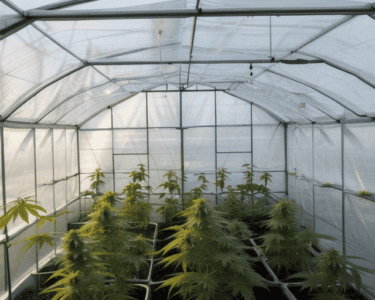
In recent years, the cannabis industry has grown exponentially in the United States, fueled by a wave of legalization and changing public perceptions. Among the various cultivation methods, aquaponics stands out as a sustainable and efficient technique that harmonizes fish farming with plant cultivation. This article delves into the intricacies of aquaponic cannabis farming, exploring current trends, recent developments, and expert insights, while revealing the secrets behind this innovative approach.
Understanding Aquaponics: A Symbiotic System
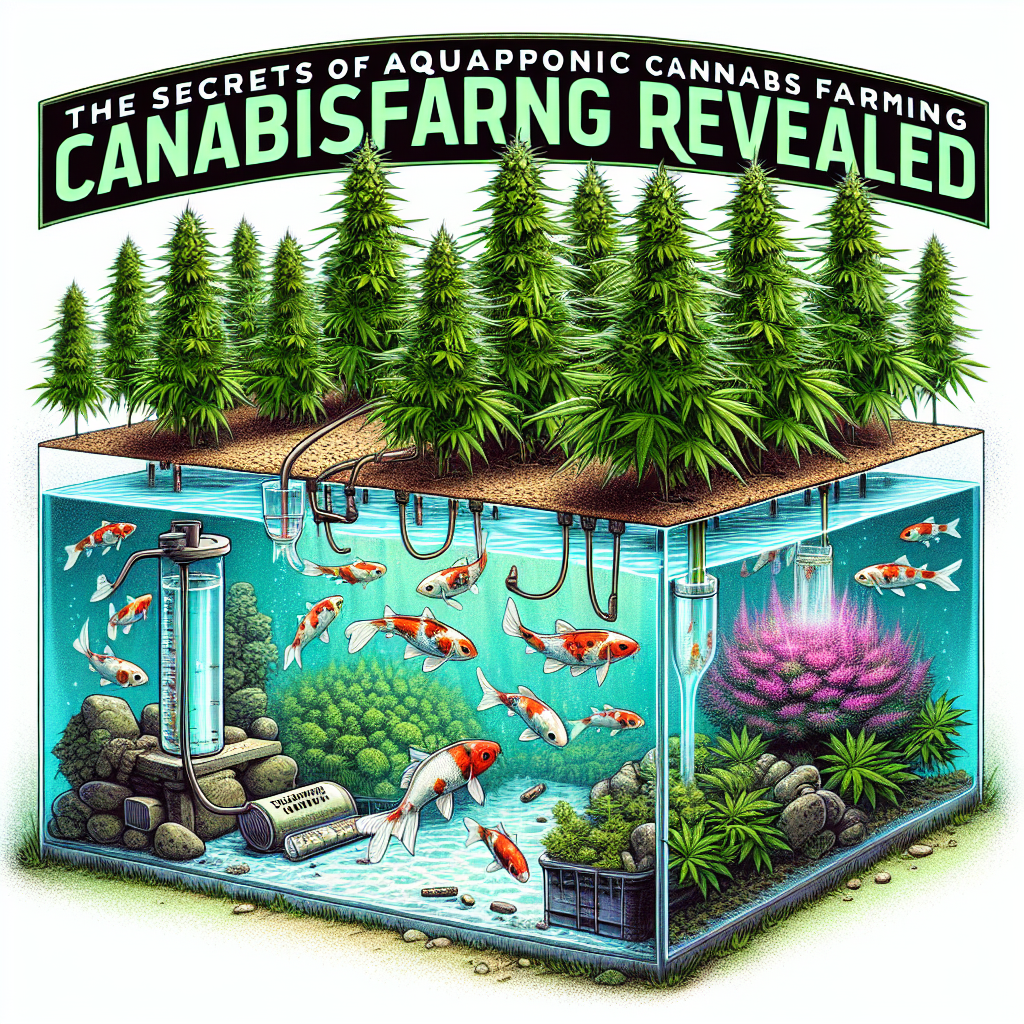
Aquaponics combines aquaculture—the cultivation of fish—with hydroponics, the growing of plants in water. In this closed-loop system, fish waste provides nutrients that help plants thrive, while the plants purify the water for the fish. This method significantly reduces resource use, particularly water, making it an enticing option for cannabis cultivation. Because cannabis plants require substantial amounts of water, using an aquaponic system can dramatically minimize waste while producing healthier plants.
Recent studies have shown that aquaponic systems can produce cannabis with higher quality and potency compared to traditional soil-based methods. This is largely due to the nutrient availability and harmonious environment that aquaponics creates, allowing for a consistent and organic cultivation process. Moreover, as consumers increasingly seek organic and sustainable products, aquaponically-grown cannabis can meet market demand while appealing to environmentally conscious buyers.
Current Trends in Aquaponic Cannabis Farming
As of 2023, several states across the U.S. have recognized the potential of aquaponic farming for cannabis. Colorado and California, in particular, have seen significant investments in this method. Startups and established growers alike are integrating aquaponic systems into their operations. For instance, notable companies such as "Aquaponic Farms" in California have demonstrated successful cannabis yields while maintaining an eco-friendly approach.
The trend has also caught the attention of regulatory bodies. In states where cannabis is legal, policymakers are beginning to understand the ecological benefits of aquaponics. Regulatory frameworks are evolving to support this sustainable practice. For instance, some local governments are offering incentives for aquaponic cannabis farms, recognizing the dual benefit of enhancing economic growth while minimizing environmental impact.
Challenges and Solutions
Although the prospects of aquaponic cannabis farming are bright, various challenges underscore its implementation. Initial setup costs can be high compared to traditional farming methods, as developing a sustainable aquaponic system requires precise engineering and technology. Furthermore, maintaining balance in the ecosystem—ensuring that both the fish and plants thrive—can be tricky for newcomers.
However, innovative technology is helping mitigate these challenges. Advanced sensors and automated systems now monitor water quality and nutrient levels, allowing even novice farmers to maintain optimal conditions. Moreover, educational programs and workshops dedicated to aquaponics are burgeoning, enabling aspiring growers to learn from experienced practitioners. This knowledge transfer is key to the widespread adoption of aquaponic cannabis farming.
Expert Insights
Leading experts in aquaponic systems are continually researching and sharing their findings. Dr. Nick Savidov, a pioneer in aquaponic research, notes that "aquaponics has the ability to revolutionize the way we approach cannabis farming, offering sustainable solutions that traditional farming methods simply can’t." His work emphasizes the importance of maintaining biodiversity within these ecosystems, advocating for a mix of fish varieties to enhance nutrient cycling.
Furthermore, academic institutions are beginning to include aquaponics in their curriculums, fostering a new generation of agronomists adept in this innovative farming method. Collaborations between universities and existing aquaponic farms are resulting in breakthrough discoveries. Research has shown that not only can cannabis thrive in aquaponic settings, but these methods can also yield crops more efficiently than conventional practices, significantly cutting down on the carbon footprint.
Looking to the Future
As we look toward the future of aquaponic cannabis farming, several exciting developments loom large. With an increasing number of states adopting more lenient cannabis regulations, the potential market for sustainably grown cannabis could broaden significantly. Innovations in aquaponics technology will continue to make the system more user-friendly and efficient, attracting more growers to this method.
Moreover, the public’s growing preference for organic and locally sourced products suggests that aquaponic cannabis could appeal to a larger consumer base. As brands promote their sustainable practices, the marketing angle of eco-friendly cannabis could turn out to be a game-changer in positioning and sales.
Conclusion: Embracing a Sustainable Future
The secrets of aquaponic cannabis farming are not just about efficiency and sustainability; they represent a philosophical shift in agriculture. By integrating diverse ecosystems into cannabis cultivation, growers can produce high-quality products while minimizing ecological harm. As industry standards evolve, and as more resources become available to educate and empower growers, aquaponic systems could become the gold standard in cannabis farming.
As consumers, advocates, and policymakers remain engaged with this burgeoning sector, the emphasis on sustainable practices is more crucial than ever. The future of cannabis could very well depend on the secrets that aquaponic farming holds—secrets of a balanced ecosystem, economic opportunity, and a commitment to a greener planet. The journey has just begun, and it promises to reshape not only how cannabis is produced but also how we perceive the intersections of agriculture and sustainability.
[ad_2]