

 By
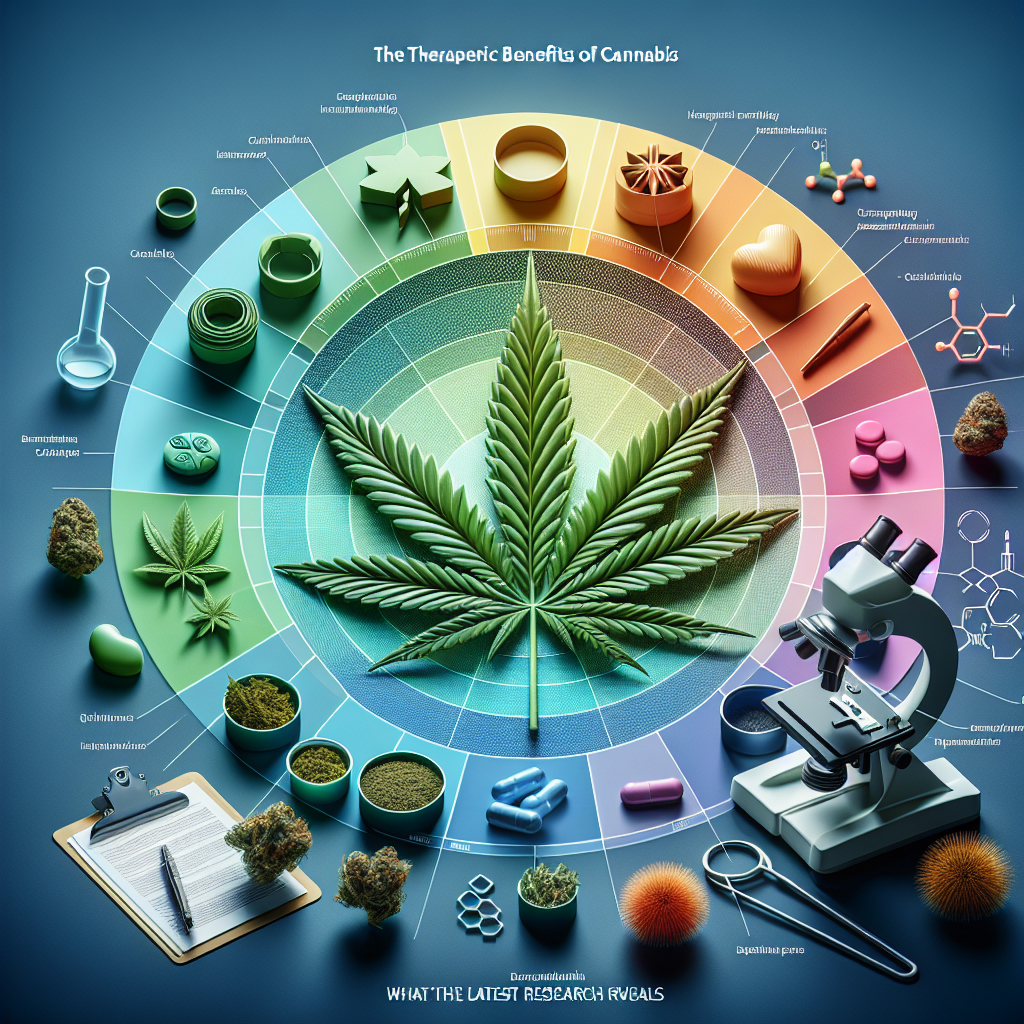
By The Therapeutic Benefits of Cannabis: What the Latest Research Reveals in the United States
The landscape of cannabis use in the United States has undergone a significant transformation in recent years. Once stigmatized and largely illegal, cannabis has emerged as a promising therapeutic agent for various medical conditions. The growing body of scientific research has illuminated the plant’s potential benefits, leading to an increase in legal access for patients and consumers. This article delves into the therapeutic benefits of cannabis, outlining the latest research findings and their implications for public health.
Historical Context
Cannabis has been used for medicinal purposes for thousands of years, tracing back to ancient China, India, and Egypt. However, in the 20th century, widespread prohibition led to a substantial gap in research. The tide began to shift in the late 1990s when several states began legalizing medical cannabis, prompting a renewed interest in studying its therapeutic applications. By 2023, a majority of states have enacted some form of cannabis legalization, whether for medical or recreational use, cultivating an environment ripe for research and exploration.
Mechanisms of Action
The therapeutic effects of cannabis are primarily attributed to its cannabinoids, the most well-known being tetrahydrocannabinol (THC) and cannabidiol (CBD). These compounds interact with the endocannabinoid system (ECS)—a complex network of receptors throughout the body that regulate various physiological processes, including pain sensation, mood, appetite, and memory.
Research indicates that THC is responsible for many of cannabis’s psychoactive effects, but it also has analgesic, anti-inflammatory, and antiemetic properties. On the other hand, CBD has gained attention for its anticonvulsant properties and its ability to reduce anxiety and inflammation without inducing a high. With our understanding of the ECS growing, researchers are now exploring how these cannabinoids can be maximized for therapeutic effect.
Current Research Findings
- Chronic Pain Management
One of the most robust areas of research regarding cannabis is its efficacy in managing chronic pain. A systematic review published in the Journal of Pain in 2021 concluded that cannabinoids are effective in reducing chronic pain symptoms, outperforming many traditional pain medications. Patients with conditions like neuropathy, arthritis, and fibromyalgia report significant relief. Remarkably, the overall side effects of cannabis appear to be minimal compared to opioids, which have led to a national crisis of addiction and overdose deaths.
- Mental Health Disorders
Recent studies have investigated cannabis’s potential role in treating various mental health disorders, including anxiety, depression, and PTSD. A 2022 meta-analysis published in JAMA Psychiatry found that patients who used cannabis experienced reductions in anxiety symptoms. However, researchers caution that the relationship is complex; while some individuals benefit from cannabis use, others may experience an exacerbation of symptoms. Therefore, patient education and individualized treatment plans are crucial.
- Seizure Disorders
The use of cannabis as an anticonvulsant has gained significant attention, particularly regarding childhood seizure disorders such as Dravet syndrome and Lennox-Gastaut syndrome. Epidiolex, a CBD-based medication, was approved by the FDA in 2018 based on evidence from clinical trials demonstrating its efficacy in reducing seizure frequency. A 2023 study further confirmed its positive impact, showing a 40% reduction in seizures among pediatric patients.
- Cancer Treatment Symptom Management
Cannabis has been widely recognized for its ability to alleviate symptoms associated with cancer treatment. Research conducted at the University of California found that THC can stimulate appetite and reduce nausea in patients undergoing chemotherapy. A systematic review from the British Medical Journal indicated that cannabis use could lead to improvements in quality of life for cancer patients, emphasizing its utility in symptom management rather than as a primary treatment.
- Neurodegenerative Diseases
Emerging research suggests that cannabinoids may offer neuroprotective effects that are beneficial in neurodegenerative diseases such as Alzheimer’s and Parkinson’s. A study published in the journal Nature Reviews in 2022 indicated that THC and CBD could mitigate the progression of these diseases by reducing inflammation and promoting neurogenesis. While more studies are needed to establish causality, early findings are promising and support further exploration in this area.
Challenges and Considerations
Despite the impressive array of therapeutic benefits associated with cannabis, several challenges remain. The inconsistency of cannabis products, both in terms of cannabinoid concentration and the presence of other compounds, poses a significant hurdle for standardization in medical use. Additionally, the lack of well-funded and comprehensive clinical trials remains a barrier to widespread acceptance and integration into conventional medicine.
Moreover, issues surrounding the legal status of cannabis, regulations, and stigma continue to complicate research efforts. Ensuring safe access for patients and implementing effective educational programs for healthcare providers and patients are vital steps moving forward.
Conclusion
The evolving body of research into the therapeutic benefits of cannabis is reshaping our understanding of its medical potential. As more states adopt legal frameworks for cannabis use, the opportunity for rigorous research expands. Current findings illustrate that cannabis may serve as an effective treatment for a variety of medical conditions, particularly chronic pain, mental health disorders, seizure disorders, and cancer-related symptoms.
As the scientific community continues to unravel the complexities of cannabis, it is imperative that patients and healthcare providers engage in informed discussions about its potential and limitations. The future of cannabis in medicine looks promising, driven by the pursuit of knowledge and the need for effective therapeutic options.