
 By
By [ad_1]
In recent years, cannabidiol (CBD) has emerged as a subject of intense interest and discussion, particularly concerning its potential benefits for mental health. As a non-psychoactive compound derived from the cannabis plant, CBD has garnered attention for its therapeutic properties without the intoxicating effects associated with its counterpart, tetrahydrocannabinol (THC). With growing public interest and evolving legal frameworks, particularly following the 2018 Farm Bill, which legalized hemp-derived CBD at the federal level, the narrative surrounding CBD has transformed from one of skepticism to one of hopeful exploration, especially in the realm of mental health.
Understanding CBD and Its Mechanism of Action
CBD interacts with the body’s endocannabinoid system (ECS), a complex network of receptors, enzymes, and endocannabinoids that play a crucial role in regulating various physiological and cognitive processes, including mood, stress response, and emotional regulation. Research suggests that CBD may influence serotonin receptors, which are critical in regulating mood and anxiety. With anxiety disorders affecting approximately 40 million adults in the U.S., the prospect of a natural alternative to traditional medication is enticing for many seeking relief without the side effects commonly associated with pharmaceuticals, such as weight gain or dependency.
As a testament to this potential, recent studies have shown that CBD may help alleviate symptoms of anxiety, depression, and post-traumatic stress disorder (PTSD). For instance, a 2020 study published in the journal "Neurotherapeutics" reviewed several animal and human studies, confirming that CBD could significantly reduce anxiety levels. Moreover, many anecdotal accounts support these findings, with individuals reporting improved mood, reduced stress, and an enhanced overall sense of well-being after using CBD.
Current Trends in CBD Usage for Mental Health
The market for CBD products has exploded in recent years, with estimates showing it could reach $20 billion by 2024. This rapid growth is fueled not only by the increasing accessibility of CBD products but also by heightened awareness of mental health issues and the limitations of conventional treatments. From oils and tinctures to edibles and topical creams, consumers are experimenting with various forms of CBD to find what works best for their specific mental health needs.
Furthermore, the COVID-19 pandemic has catalyzed a more considerable interest in mental health support, with many people experiencing unprecedented levels of anxiety and depression during lockdowns. Reports indicate that CBD sales surged during this period as individuals turned to alternative remedies to cope with stress and uncertainty. A survey conducted by the Hemp Industry Association found that 36% of CBD users cited anxiety relief as their primary reason for consumption, underscoring the growing reliance on CBD as a mental health aid.
Legal Landscape and Challenges
Despite the optimistic outlook, the legal status of CBD in the U.S. remains complex. While hemp-derived CBD is federally legal, state regulations vary significantly. Some states have embraced CBD as a health supplement, while others impose strict restrictions on its use. This patchwork of laws complicates the landscape for consumers seeking reliable and safe products. In addition, the lack of standardization and oversight in the CBD industry raises concerns about product quality and labeling accuracy, which can mislead consumers and pose health risks.
Moreover, the Food and Drug Administration (FDA) has yet to provide comprehensive regulations governing CBD as a dietary supplement or therapeutic agent. While the FDA has approved one CBD-based drug, Epidiolex, for treating certain forms of epilepsy, further research is needed to establish safety parameters and therapeutic guidelines. This regulatory uncertainty can deter new users and hinder research initiatives vital for understanding CBD’s full potential in treating mental health disorders.
Expert Insights and Future Directions
Experts in mental health and cannabinoid research emphasize the need for more rigorous, large-scale studies to confirm the efficacy of CBD for various mental health conditions. Dr. Esther Blessing, a leading researcher in the field, notes, “While early studies are promising, we need high-quality clinical trials to better understand the long-term effects of CBD on mental health.” Understanding dosage, potential interactions with other medications, and individual variability will be key to integrating CBD as a mainstream treatment avenue in mental health care.
As the legal landscape shifts and interest grows, the potential for CBD to serve as a complementary or alternative treatment for mental health issues is becoming clearer. Mental health practitioners are increasingly open to discussing CBD with their patients and may incorporate it into holistic treatment plans. Nevertheless, educating both patients and providers remains essential to ensure safe and informed usage.
Conclusion: A New Paradigm for Mental Health Solutions
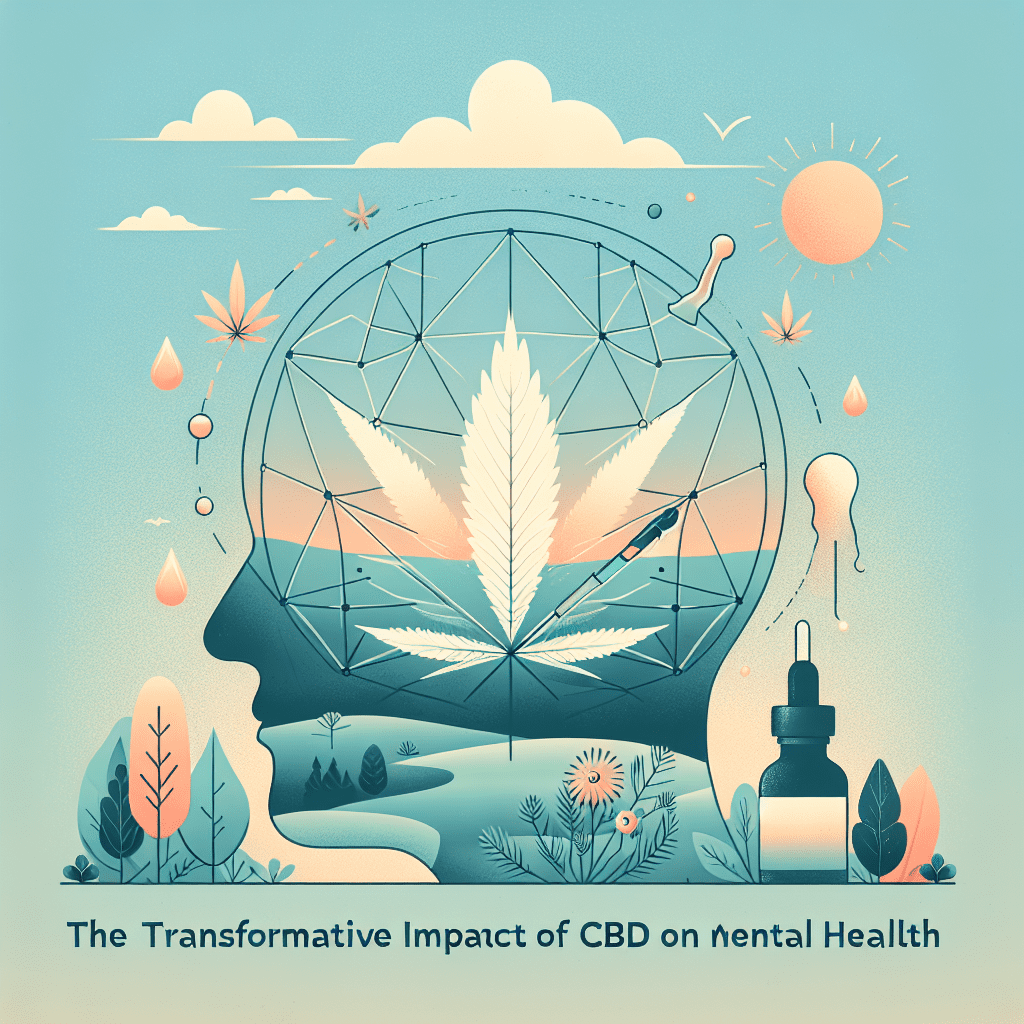
The transformative impact of CBD on mental health in the United States signals a shift towards more integrated, holistic approaches to mental wellness. As research continues to unfold, and as consumers advocate for transparency and quality in CBD products, the potential for this compound to complement traditional mental health treatments is becoming more recognized. However, navigating the complexities of regulations and individualized care will be vital to harnessing CBD’s full potential safely and effectively.
Ultimately, the evolving conversation around CBD and mental health invites us to rethink our approach to mental wellness. As we stand on the cusp of new discoveries, it is imperative to foster an environment that encourages safe exploration of alternative therapies. As we reflect on the future of mental health treatment, we must remain vigilant, curious, and open to the possibilities that innovations like CBD may offer.
[ad_2]