 By
By [ad_1]
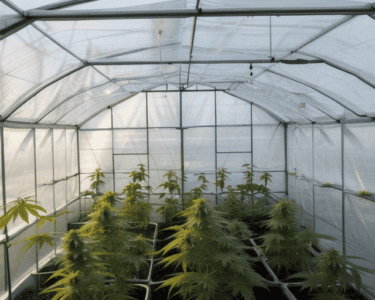
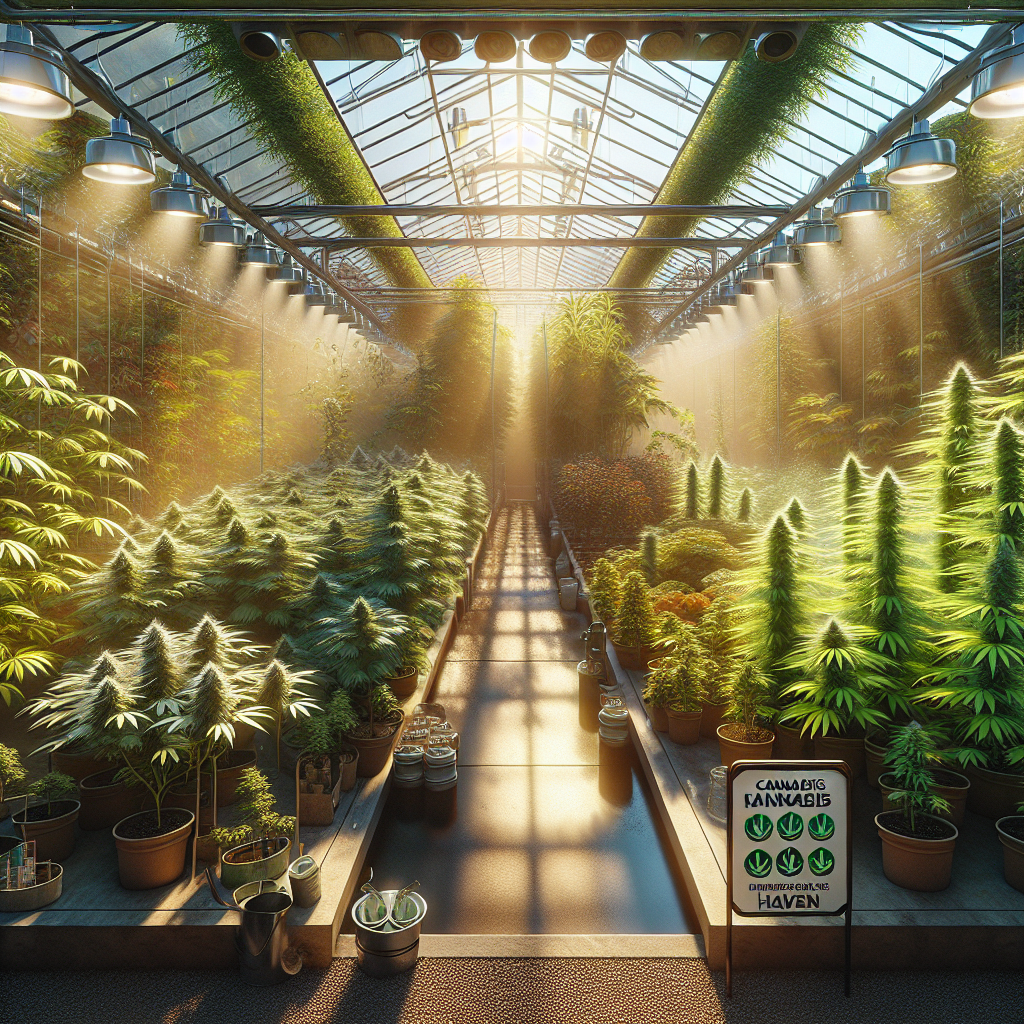
As counties and states across the U.S. continue to ease restrictions on cannabis cultivation, many cultivators are feeling inspired to transform traditional greenhouses into thriving cannabis havens. The allure of fresh, home-grown cannabis aligns with a growing market that reached $28.3 billion in sales in 2021 and is projected to grow exponentially in the coming years. For both new growers and seasoned cultivators seeking to refine their operations, this article provides an in-depth guide to successfully converting your greenhouse into an ideal environment for cannabis cultivation.
Understanding the Advantages of Greenhouse Cultivation
Greenhouse cultivation offers many advantages, particularly when it comes to cannabis. Unlike indoor growing, greenhouses harness natural sunlight, which is essential for health and potency in cannabis strains. The dual benefits of controlled climate and natural light reduce reliance on artificial grow lights, leading to lower energy costs. Moreover, greenhouses can protect plants from adverse weather conditions while providing a regulated environment that encourages healthy growth.
In recent years, there has been a noticeable shift toward eco-friendly growing methods. According to a report from New Frontier Data, over 70% of cannabis consumers prefer sustainably grown products. Transitioning to greenhouse cultivation addresses both consumer preferences and operational cost-effectiveness. To set up your greenhouse for cannabis, it’s vital to consider structural features, climate control systems, and irrigation techniques that facilitate optimal growth.
Key Steps for Setting Up Your Cannabis Greenhouse
Selecting the Right Greenhouse Structure
Before diving into cultivation practices, consider the type of greenhouse that best meets your needs. Traditional glass greenhouses provide excellent light transmission but can be costly. Alternatively, polycarbonate or polyethylene structures are cheaper options that can also insulate plants effectively. High tunnels are another choice often favored by cannabis growers for their flexibility and lower operating costs.
As you plan your greenhouse, focus on aspects like ventilation and airflow management. Adequate airflow is crucial for preventing mold and mildew, common issues in cannabis cultivation. Consider integrating automated ventilation systems that can regulate temperature and humidity levels based on sensor data.
Climate Control Systems
Another critical element in transforming your greenhouse is installing an effective climate control system. Cannabis thrives at a temperature range of 70-85°F during the day and slightly cooler at night. Mechanical systems like exhaust fans, thermal screens, and greenhouses with automated shading can help maintain these ideal conditions.
Heating and cooling systems are particularly crucial in colder states or regions. Consider the latest innovations in hydroponics and aquaponics integrated with ambient climate control technologies, allowing you to create a more natural, stable environment for your cannabis plants.
Irrigation Techniques
Cannabis plants require careful watering practices to prevent overwatering or underwatering, both of which can lead to plant stress. Drip irrigation systems are perfect for delivering water directly to the root zone, ensuring efficient water use. Nutrient management is also vital; experts suggest incorporating advanced nutrient delivery systems that can synchronize with your plant’s growth cycle.
Be sure to monitor the pH levels and nutrients in the growing medium regularly, as cannabis is sensitive to both. Recent advancements in soil and hydroponic growth mediums have taken the guesswork out of these measurements, making it easier for cultivators to get it right.
Choosing the Right Cannabis Strains
Once your greenhouse structure and systems are in place, you’ll need to select cannabis strains that align with your cultivation objectives. Autoflowering strains are particularly popular for greenhouse settings, as they transition from vegetative to flowering stages with fewer light cycle constraints. Some growers also prioritize strains that have shown resilience against common pests and diseases, ensuring a smoother growing process.
Keep an eye on current market trends as well. As various states legalize cannabis for medicinal and recreational use, consumer preferences are evolving. Strains high in CBD are gaining traction among medical patients, while THC-dominant varieties remain popular in the recreational market.
Environmental and Legal Considerations: What You Must Know
As exciting as it is to transform your greenhouse, don’t forget the importance of compliance with local regulations. The legal landscape around cannabis cultivation varies significantly from state to state. It’s imperative to understand the laws governing your specific area, including zoning rules and licensing requirements. Many states offer resources that can help navigate these regulations more easily.
Stay informed about local laws and rulings as they can change frequently. Recent legislation in states like California and Illinois has aimed to make the marketplace more accessible for smaller growers, providing additional incentives for sustainable practices. Platforms such as Leafly and NORML provide up-to-date information that can keep you in the loop.
Conclusion: A Green Future Awaits
Transforming your greenhouse into a cannabis haven is not just about maximizing yield — it’s about embracing a new model of sustainable agriculture that responds to evolving consumer preferences. As you embark on this journey, it’s essential to integrate eco-friendly practices, utilize advanced technologies, and adhere to legal protocols. The opportunities are immense, and with a little passion and dedication, your greenhouse can flourish into a vibrant hub of cannabis cultivation.
For anyone considering this transition, remember that the changing climate of cannabis legislation and consumer preferences is paving the way for a new era of agriculture. As the industry matures, your investment in a greenhouse will not only contribute to your personal goals but also support a more sustainable and responsible cannabis culture. Reflect on this: What role will you play in this evolving landscape, and how can your greenhouse contribute to a greener future?
[ad_2]