 By
By [ad_1]
Unconventional Methods for Thriving Cannabis Plants in the United States
As the cannabis industry continues to expand in the United States, growers are increasingly seeking innovative methods to cultivate high-yield, high-quality plants. The recent legalization of cannabis in various states has led to a surge in both recreational and medicinal use. However, with this growth comes heightened competition, prompting cultivators to think outside the box. Unconventional methods for optimizing plant health, boosting yields, and ensuring environmental sustainability are proving to be essential tools in this evolving landscape.
The Rise of Indoor and Vertical Farming
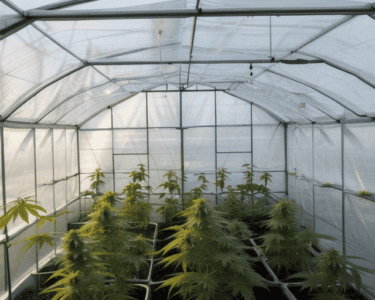
One of the most significant trends in contemporary cannabis cultivation is the embrace of indoor and vertical farming techniques. This approach not only allows for year-round production but also provides growers with greater control over environmental factors such as temperature, humidity, and light. These controlled environments can significantly reduce the risk of pests and diseases that often plague outdoor crops.
Recent developments in LED technology have made it possible to replicate the sun’s spectrum more efficiently and sustainably. For example, full-spectrum LEDs are now common in commercial grow rooms and are designed to optimize plant growth at different stages. By using data-driven methods, growers can fine-tune their setups to maximize photosynthesis and, consequently, yield.
Moreover, vertical farming allows for more efficient land use, particularly in urban settings where space is limited. By stacking plants vertically, growers can increase their cultivation area without requiring more land. This maximization addresses urban food deserts and reduces transportation emissions, aligning with contemporary sustainability goals.
The Role of Biometrics and Data Analytics
The burgeoning field of agricultural technology (AgTech) has paved the way for advanced monitoring techniques that can significantly enhance cannabis cultivation. Growers can now employ biometric sensors and data analytics to monitor various aspects of plant health, including soil moisture levels, nutrient concentrations, and even the specific wavelengths of light being absorbed by the plants.
Recent innovations have seen companies developing platforms that integrate Internet of Things (IoT) devices with machine learning algorithms to offer real-time insights. For example, systems can alert growers when a particular nutrient level drops below an optimal threshold, prompting immediate action. These proactive measures not only increase the resilience of the plants but also lead to more efficient resource use, including water and fertilizers.
Furthermore, certain platforms now offer predictive analytics, allowing growers to forecast pest outbreaks and other potential issues before they turn into full-fledged problems. The incorporation of such technology into cannabis cultivation is not just smart; in today’s fast-paced economy, it has become a necessity.
Soil Health and Regenerative Agriculture
Another unconventional method that is gaining popularity among cannabis growers is regenerative agriculture, which emphasizes the importance of soil health. Unlike traditional agriculture, which often depletes soil nutrients through monocropping and chemical inputs, regenerative practices aim to improve ecosystem health. Techniques such as cover cropping, crop rotation, and composting can significantly enhance soil structure and fertility.
In recent years, the cannabis community has been increasingly vocal about the importance of organic practices. Using organic amendments like biochar, worm castings, and compost can foster a thriving microbiome in the soil, which supports plant health. Not only does this unlink the crop from synthetic fertilizers and pesticides, but it also positions cannabis growers as stewards of the land, a mindset that resonates with environmentally conscious consumers.
Organizations such as the Organic Trade Association are actively promoting certified organic standards for cannabis. As more states consider legislation for regulated cannabis cultivation, the pressure is on growers to adopt practices that emphasize soil health, biodiversity, and sustainability.
Integrated Pest Management and Bio-controls
As cannabis cultivation scales up, the threats from pests and diseases become more pronounced. However, rather than resorting to chemical pesticides, many growers are turning to Integrated Pest Management (IPM) and biological controls. IPM is a holistic approach that includes monitoring pest populations, using beneficial insects, and employing natural predation.
Current insights from agronomists suggest that employing predatory mites or ladybugs can effectively control spider mites and aphids, common pests in cannabis cultivation. Moreover, some growers are developing “pest-repelling plants,” which can be intercropped strategically to deter unwanted insects. This method capitalizes on natural ecosystems and minimizes the ecological footprint of cannabis production.
The increasing awareness surrounding the adverse effects of synthetic pesticides has led to regulatory scrutiny, making the transition to organic and natural pest management strategies not only preferable but necessary.
The Path Forward: A Sustainable and Innovative Future
As the U.S. cannabis industry continues to evolve, the integration of unconventional methods will be key to thriving in a competitive landscape. From advanced farming techniques like vertical farming and biometric monitoring to organic practices that promote soil health, growers must adapt to meet the demands of modern agriculture while adhering to environmental sustainability.
Moreover, regulations surrounding cannabis continue to evolve, which means that cultivators who adopt innovative technologies and practices early on will likely find themselves at a competitive advantage. As consumers become more educated about the importance of sustainable practices, those who align their cultivation methods with consumer values will build stronger brands.
The future of cannabis cultivation in the U.S. will be shaped not just by profits or yield, but by a commitment to nurturing both the plants and the ecosystems in which they grow. For cultivators, the question isn’t just about surviving; it’s about thriving through innovation. The choices made today will determine not just the health of cannabis plants but also the sustainability of the industry for generations to come.
[ad_2]