
 By
By [ad_1]
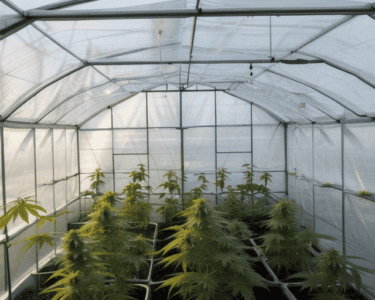
Cannabis cultivation has evolved significantly in the United States over recent years, particularly with the wave of legalization sweeping across states. As cultivators strive to optimize yield and quality, one critical yet often underestimated factor plays a pivotal role in plant growth: light. Understanding the nuances of how light impacts cannabis growth can help growers maximize their efforts, whether they are operating in a state-of-the-art indoor facility or a simple outdoor garden.
The Science of Light in Plant Growth
At its core, light is essential for photosynthesis, the process by which plants convert light energy into chemical energy, fostering growth. Cannabis, like all plants, utilizes different wavelengths of light to support various stages of its life cycle. Blue light (400-500 nm) is crucial for vegetative growth as it promotes robust leaf development, while red light (600-700 nm) is vital during the flowering stage. The optimal balance of these wavelengths can influence everything from the size of the buds to the overall potency of the final product.
With the advent of LED technology, modern cultivators have more options than ever to tailor light conditions to meet their specific needs. LEDs can produce light in specific spectra that cater to the distinct phases of cannabis growth. Recent advancements in this technology have led to energy-efficient options that not only save costs but also minimize the environmental impact of cannabis cultivation.
Outdoor vs. Indoor Growth Models
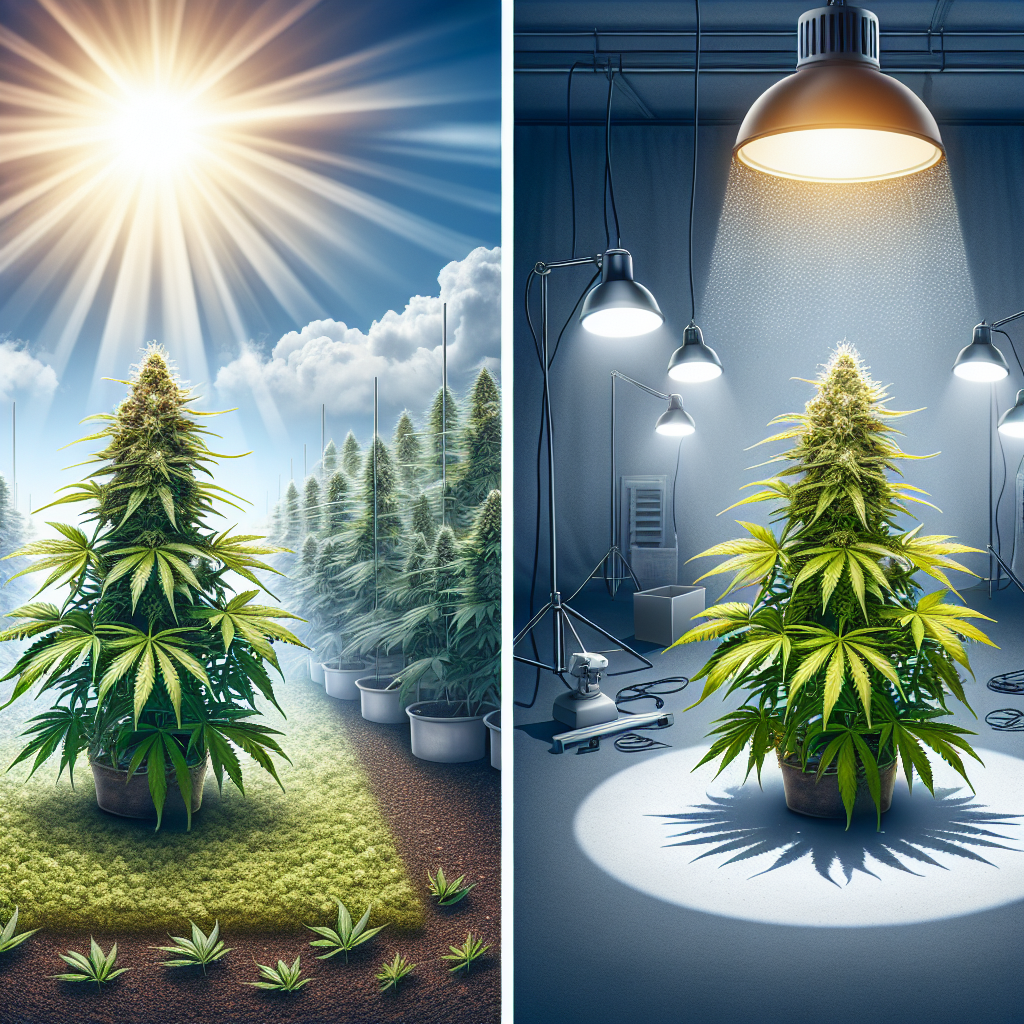
Outdoor cannabis cultivation typically leverages natural sunlight, which contains a full spectrum of light necessary for optimal growth. Growers who choose this method must consider factors such as the geographical location, seasonal changes, and local climate conditions. For instance, cannabis plants in California might thrive under the abundant sunlight of the summer months, while those in the Pacific Northwest may encounter challenges due to increased cloud cover and shorter daylight hours.
Alternatively, indoor cultivation offers greater control over light exposure, allowing growers to manipulate the photoperiod to induce flowering at will. This method has gained popularity in states like Colorado and Oregon, where demand for cannabis remains high. Indoor growers can optimize their light schedules, adjusting them based on the specific genetics of the strain being grown. However, this method comes with higher energy costs and potential environmental concerns, especially with large-scale operations.
Current Trends in Lighting Technology
As cannabis legalization expands, so does the sophistication of lighting technology used in cultivation. Currently, the market is witnessing a surge in the adoption of LED lights, primarily due to their energy efficiency and longevity. According to a report from ResearchAndMarkets, the global LED grow lights market is expected to grow substantially, driven by advancements in technology, declining prices, and increasing awareness of their benefits among cultivators.
Moreover, smart lighting systems equipped with sensors and automation technologies are gaining traction. Growers can now monitor light levels and adjust them dynamically, enhancing their operation’s efficiency. These systems can tailor light exposure based on real-time data, taking into account factors like plant size and health, thereby increasing productivity and minimizing waste.
Environmental Considerations and Best Practices
As cannabis cultivation expands within the U.S., sustainability has become increasingly relevant. Large-scale operations can consume a massive amount of energy, leading to significant carbon footprints. Growers are now implementing best practices that consider the environmental impact of their operations, especially regarding lighting.
Indoor growers are seeking to integrate renewable energy solutions, such as solar panels, to reduce reliance on nonrenewable resources. Additionally, automated systems that adjust light intensity based on time of day can significantly cut down on energy consumption. These practices not only help minimize environmental impact but can also result in cost savings for cultivators over time.
Expert Insights and Future Directions
Experts in the field agree that continued research into the understanding of light spectrum and its effects on cannabis growth will be pivotal for the future of cultivation. As the legalization movement advances in the U.S., researchers and growers alike are encouraged to collaborate on studies that examine the relationships between light, strain genetics, and environmental factors.
Some agronomists are also exploring the potential benefits of supplemental lighting, such as using artificial light during dark periods of the day to extend photoperiods and maximize growth. This could become particularly important as more states consider cultivating cannabis, especially in regions with less-than-ideal weather conditions.
Conclusion: The Light at the End of the Tunnel
As the cannabis industry continues to mature, understanding the intricate role of light in plant growth will be essential for growers aiming to stay competitive. With the technological advancements in lighting and a keen awareness of environmental sustainability, cultivators are well-positioned to refine their practices. The choices made today regarding lighting not only influence yield and quality but also contribute to the broader dialogue on sustainable agriculture.
In the quest for the best possible crop, the spotlight is quite literally on light itself. For cultivators, understanding how to harness the full potential of light will not only lead to successful harvests but also set the stage for a more sustainable and responsible cannabis industry in the years to come. As we look forward, the importance of innovative solutions and thoughtful practices in cannabis cultivation shines bright, encouraging a future where both growers and the environment can thrive.
[ad_2]