
 By
By [ad_1]
Uniting Forces: The Global Movement for Cannabis Rights in the United States
In recent years, the movement for cannabis rights has gained significant traction in the United States, as advocates push for reforms at both state and federal levels. The growing momentum for cannabis legalization reflects a shift in public perception and policy, spurred by an understanding of the plant’s potential benefits and a desire for justice in communities disproportionately affected by its criminalization. With more states enacting progressive cannabis laws and federal reforms looming on the horizon, the U.S. finds itself at a pivotal moment in the global movement for cannabis rights.
At the heart of this movement is a demand for policy changes tailored to modern understanding and sensibilities. In recent elections, several states voted to legalize cannabis for recreational use, joining the ranks of early adopters like Colorado and Washington. As of 2023, a majority of states have legalized medical marijuana, and 23 states, along with the District of Columbia, have permitted its recreational use. This shift is buoyed by public opinion, with surveys consistently showing that over two-thirds of Americans support legalization.
Undoubtedly, a driving force behind this momentum is the potential economic boon. Legal cannabis sales in the United States reached approximately $30 billion in 2022, and projections for continued growth signal lucrative opportunities for the industry. States that have embraced legalization are reaping financial benefits from taxation and job creation. Moreover, the prospect of federal legalization opens the door for international trade and investment, positioning the U.S. as a leader in the burgeoning global cannabis market.
However, the movement is not just about economic gain. Advocates emphasize the importance of rectifying historical injustices linked to cannabis prohibition. The War on Drugs, which intensified in the 1980s, disproportionately targeted minority communities, resulting in staggering rates of incarceration and socioeconomic disparity. Current legislative efforts aim to expunge past cannabis-related convictions, reintegrate affected individuals into the workforce, and invest in communities ravaged by aggressive drug policies. California, for instance, has implemented policies to address these inequities, setting a precedent for other states to follow.
Amid these advancements, the issue of federal prohibition remains a significant hurdle. Cannabis is still classified as a Schedule I substance under the Controlled Substances Act, alongside drugs like heroin and LSD. This classification impedes scientific research, poses challenges for state-legal businesses, and creates conflicts in banking and interstate commerce. Advocates are calling for reclassification or descheduling to facilitate comprehensive research and streamline operations within the sector.
Congress has taken steps toward reform with proposed bills such as the MORE Act and the SAFE Banking Act. The MORE Act seeks to decriminalize cannabis at the federal level, while the SAFE Banking Act would allow cannabis businesses access to banking services, thus addressing a major operational challenge in the industry. While these bills have faced political hurdles, growing bipartisan support offers hope for future legislative victories.
Recent developments also indicate a move toward standardized regulations and responsible consumption. Efforts to establish guidelines for labeling, dosing, and marketing aim to protect consumers and maintain industry integrity. Furthermore, states are exploring social equity programs to ensure that the cannabis industry reflects the diversity of American society. By offering grants, loans, and training to minority-owned businesses, these initiatives seek to dismantle systemic barriers and foster inclusivity.
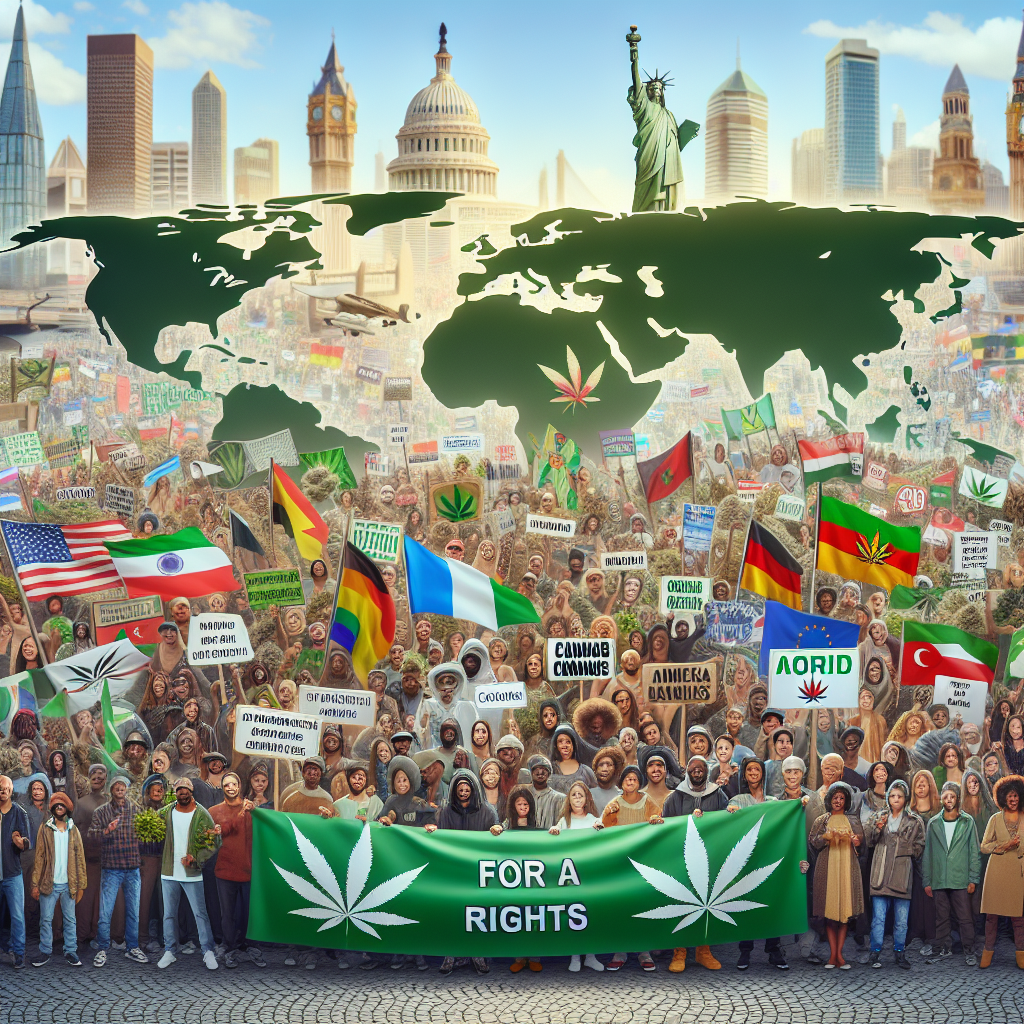
As the U.S. navigates these complex issues, it stands at the forefront of a global cannabis rights movement. Countries like Canada, Germany, and Mexico are crafting their policies inspired by U.S. successes and challenges. International dialogue and collaboration could pave the way for a unified approach to cannabis rights, accelerating the normalization and acceptance of cannabis worldwide.
Despite progress, opponents of legalization raise concerns about public health, safety, and youth access. Studies on the long-term effects of cannabis consumption and its impact on mental health are ongoing, underscoring the need for careful consideration of regulatory frameworks. The movement for cannabis rights continually balances enthusiasm with caution, striving to advance reforms safely and effectively.
In conclusion, the fight for cannabis rights in the United States is a tapestry of economic opportunity, social justice, and evolving cultural attitudes. As advocates push for federal reforms and industry leaders drive innovation, the nation is poised to become a global beacon for cannabis rights. The path forward demands collaboration, informed policymaking, and a commitment to rectifying past wrongs. Only by uniting forces can Americans achieve the equitable and prosperous future envisioned by the cannabis rights movement.
[ad_2]