 By
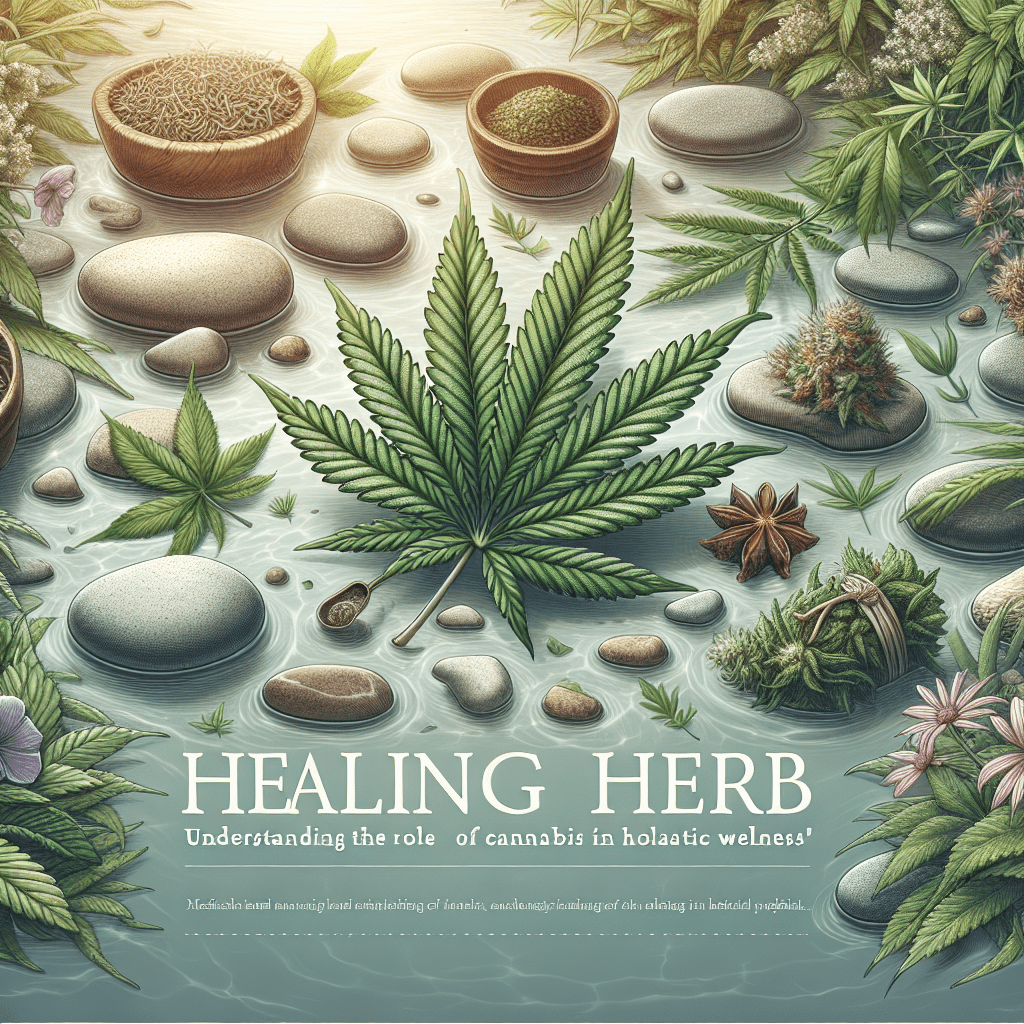
By Healing Herb: Understanding the Role of Cannabis in Holistic Wellness in the United States
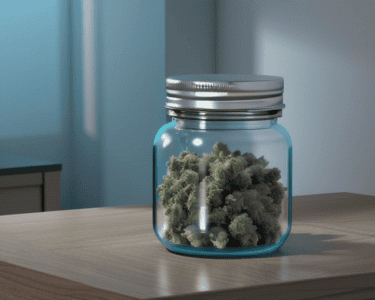
In recent years, cannabis has emerged from the shadows of prohibition to become a pivotal player in the holistic wellness movement in the United States. As states gradually legalize both medical and recreational use, a growing body of research is revealing the therapeutic potential of this versatile herb. Once stigmatized, cannabis is now being embraced not only for its psychoactive and recreational properties but also for its myriad health benefits. Understanding its role in holistic wellness entails diving into the science, societal shifts, and evolving attitudes surrounding this remarkable plant.
The Science of Cannabis: A Therapeutic Arsenal
At the heart of cannabis’s medicinal properties are its active compounds, primarily cannabinoids like tetrahydrocannabinol (THC) and cannabidiol (CBD). These compounds interact with the body’s endocannabinoid system, a complex cell-signaling system that plays a crucial role in regulating functions such as mood, memory, pain sensation, and immune response. Research has shown that cannabis can provide relief from conditions like chronic pain, anxiety, and inflammation, making it an attractive alternative or complement to traditional pharmaceuticals.
Recent studies underscore the potential of cannabis in treating specific ailments. For instance, the National Academies of Sciences, Engineering, and Medicine released a comprehensive report in 2020 affirming that cannabis is effective in managing chronic pain and alleviating symptoms of multiple sclerosis and chemotherapy-induced nausea. Furthermore, experts are exploring the synergy between various cannabinoids and terpenes to maximize therapeutic effects, leading to the development of tailored cannabis products that may better serve individual health needs.
A Changing Landscape: Legalization and Acceptance
The landscape of cannabis in the United States has shifted dramatically over the last decade. As of 2021, 18 states and Washington D.C. have legalized recreational cannabis, while 36 states allow for medical use. This changing legal framework has paved the way for increased public acceptance and a burgeoning industry focused on wellness.
The rise in acceptance is not solely legal; cultural attitudes are evolving as well. Many consumers now view cannabis not just as a recreational substance but as an integral part of their wellness routines. This transformation can be partly attributed to the advocacy efforts of organizations promoting medical cannabis research and legalization. Additionally, healthcare practitioners are increasingly open to discussing cannabis with their patients, leading to an informed dialogue about its potential benefits and risks.
Holistic Wellness and the Mind-Body Connection
At its core, holistic wellness emphasizes the interconnectedness of mind, body, and spirit. Cannabis fits seamlessly into this paradigm, offering a natural remedy that can enhance well-being in multiple dimensions. Many users report improvements in mental clarity, mood stabilization, and stress reduction, which can contribute to better physical health through improved lifestyle choices and better stress management.
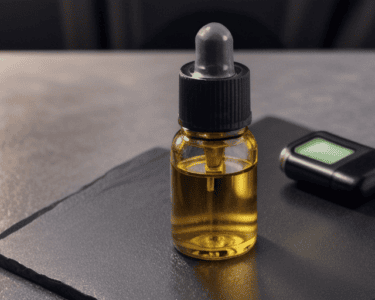
Moreover, hundreds of wellness brands are launching cannabis-infused products, ranging from oils and gummies to topical creams, which cater to a variety of needs. These products often emphasize the entourage effect, where the combined action of multiple compounds in the plant yields greater benefits than any single component. Educating consumers about these benefits is crucial; knowledge empowers users to make informed choices about incorporating cannabis into their wellness routines.
Current Trends and Innovations in the Cannabis Sector
As the cannabis industry matures, several innovative trends are shaping its future. One noteworthy development is the growing demand for hemp-derived CBD products, which have gained popularity for their non-psychoactive properties. As consumers seek natural alternatives for managing anxiety and stress, CBD-infused products like beverages and skincare are rapidly entering the mainstream.
Furthermore, advancements in technology are enhancing the methods of cultivation, extraction, and consumption. From lab-tested formulations to precise dosing methods, consumers now have access to higher-quality products than ever before. Companies are even investing in research to explore novel delivery systems, such as transdermal patches and nano-emulsified liquids, to maximize bioavailability and efficacy.
Expert Insights: Cautions and Considerations
While the benefits of cannabis are compelling, it’s essential to approach its use with caution. Experts advise that individuals considering cannabis for therapeutic purposes consult healthcare professionals who are knowledgeable about its effects. Dosage and individual reactions to cannabis can vary widely, and what works for one person may not work for another.
Moreover, while cannabis may offer relief for many conditions, it is not a panacea and can have potential side effects. Issues such as dependency, impaired reaction times, and psychological impacts must be part of the conversation. An informed approach that considers both the benefits and risks will ultimately lead to better outcomes in holistic wellness practices.
Conclusion: A New Chapter for Healing
As more states embrace cannabis legalization and research continues to unveil its benefits, the future of cannabis in holistic wellness looks promising. The integration of this healing herb into wellness practices reflects a larger cultural shift toward prioritizing natural, individualized approaches to health. As consumers become better educated about cannabis, its potential benefits, and its proper usage, there lies an opportunity for a transformative impact on healthcare practices in the United States.
Ultimately, the journey toward understanding cannabis is both scientific and personal—an exploration of how nature can provide solutions for modern health challenges. The healing herb is more than a trend; it embodies a movement toward a deeper understanding of wellness that embraces the complexity of human health. As we navigate this evolving landscape, we must remain discerning and self-aware, ensuring that cannabis serves as a powerful ally in our quest for holistic wellness.