 By
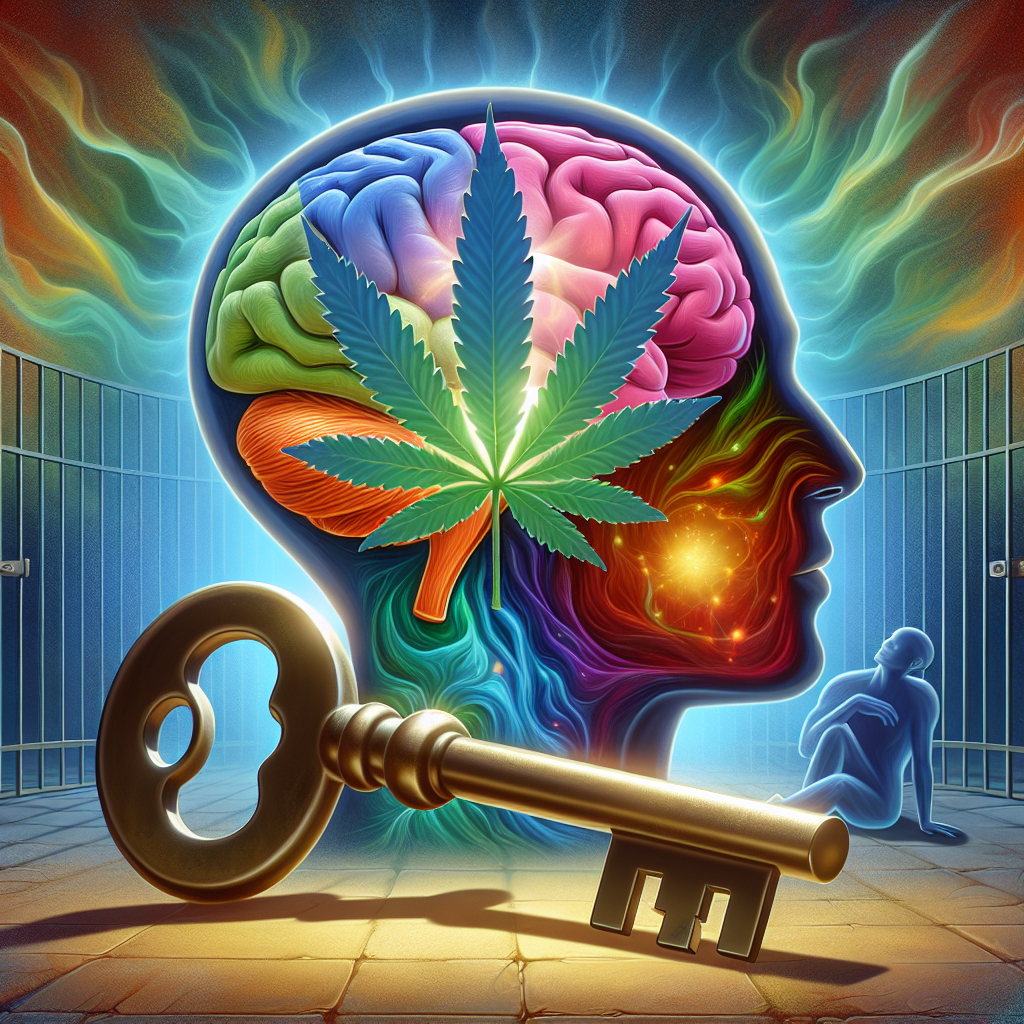
By Unlocking the Healing Power of Cannabis for Mind and Body in the United States
In recent years, cannabis has emerged from the shadows of prohibition into the bright light of acceptance and research, unlocking its potential as a therapeutic agent for both mental and physical health. With nearly half of the states in the U.S. having legalized cannabis for medical use, there has been a significant shift in how this plant is perceived and utilized in healthcare settings. As stigma diminishes and more people turn to cannabis for relief, it’s crucial to explore how it can be harnessed to promote healing and well-being.
The Medical Benefits of Cannabis: More Than Just Pain Relief
Historically, cannabis has been used for millennia to address various ailments, but only recently have scientific studies confirmed its medicinal properties. The two primary compounds of cannabis, tetrahydrocannabinol (THC) and cannabidiol (CBD), are at the forefront of this research. THC is known for its psychoactive properties, providing relief from pain and nausea, while CBD offers therapeutic benefits without the high, making it particularly appealing for those looking for a more subtle approach to treatment.
A growing body of evidence suggests that cannabis can be beneficial for conditions such as chronic pain, anxiety, depression, and even epilepsy. The American Medical Association has published studies indicating that cannabis can effectively manage pain relief for cancer patients and those suffering from multiple sclerosis. Furthermore, with a burgeoning focus on mental health in the United States, CBD has gained attention for its potential to reduce symptoms of anxiety and PTSD, creating a surge in its use among veterans and individuals seeking alternative therapies.
Current Trends and Innovations
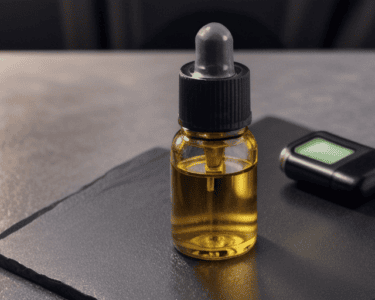
As we tread into the era of legalized cannabis, innovative products and practices are emerging. In 2022, the United States witnessed a surge in cannabis-derived supplements and wellness products, creating a new marketplace for consumers eager to explore the healing properties of this plant. Gummies, oils, and topical creams infused with CBD have become ubiquitous, making cannabis more accessible to those wary of traditional methods.
In addition, research is underway to refine cannabis strains to enhance specific therapeutic effects. This phenomenon, known as “cannabinoid profiling,” allows for a more tailored approach to treatment, enabling healthcare providers to recommend strains best suited for individual patient needs. Furthermore, with trends indicating a preference for holistic and natural remedies, cannabis fits seamlessly into a broader narrative of integrative health that various demographics—from millennials to baby boomers—are increasingly embracing.
The Regulatory Landscape: A Barrier and a Gateway
Despite the promising developments, navigating the regulatory landscape remains one of the most significant barriers to fully unlocking cannabis’s healing potential in the United States. Marijuana’s classification as a Schedule I substance under the Controlled Substances Act complicates research efforts and creates barriers for medical professionals seeking to recommend it. However, recent legislative efforts such as the Cannabis Administration and Opportunity Act propose to amend these laws, potentially ushering in a new era of research freedom and medical application.
Additionally, public opinion is shifting, with a recent Gallup poll indicating that 68% of Americans support legalization. As the stigma associated with cannabis fades, there is a powerful push from advocacy groups for states to create legislation that prioritizes medical research and access to cannabis products. Organizations like the National Organization for the Reform of Marijuana Laws (NORML) are working tirelessly to advocate for patient rights and protection, reinforcing the notion that cannabis can play a pivotal role in health care.
Voices From the Field: Expert Insights
Healthcare professionals are finding themselves at the intersection of science and advocacy, fostering conversations about the potential role of cannabis in treatment plans. Dr. Dustin Sulak, a prominent physician specializing in medical cannabis, emphasizes the importance of individualized treatment. He advocates for patients to engage in open discussions with their healthcare providers about the use of cannabis, highlighting its potential advantages alongside conventional treatments.
Moreover, mental health experts are increasingly recognizing the need for a multidisciplinary approach that includes cannabis as an alternative or complementary therapy. Dr. Sue Sisley, a psychiatrist and cannabis researcher, argues that incorporating cannabis into mental health treatment plans could address a significant gap in care, especially given the growing prevalence of anxiety and depression in post-pandemic America.
Looking Ahead: The Future of Cannabis in Healthcare
As we reflect on the evolving narrative surrounding cannabis, it’s clear that its role in healing is more significant than ever. While challenges remain, the future looks promising. Ongoing research, coupled with changing public attitudes, presents a unique opportunity to develop evidence-based guidelines for cannabis’s use in treating a variety of medical conditions.
Moreover, as the conversation continues to evolve, more educational resources will empower patients and healthcare providers alike to make informed decisions about cannabis. Collaboration between researchers, healthcare providers, and policymakers will pave the way for integrated models of care that respect patient autonomy while emphasizing safety and effectiveness.
In conclusion, the journey of cannabis in the United States serves as a microcosm of broader changes in societal health paradigms. As we unlock its healing power for both mind and body, we may find not only a remedy for ailments but also a pathway toward holistic wellness. The time has come to embrace cannabis not as a simple substance but as a complex, multifaceted healer waiting to be explored and understood. It invites us to reconsider our understanding of health, healing, and the profound impacts of nature’s own remedies.