 By
By Settlement Reached Over Unregistered Grow Site
Vermont Lt. Gov. John Rodgers plans to pay a reduced fine to settle a case in which he grew at least 100 cannabis plants for his business at a site in Glover where he did not have permission to do so, he said in an interview with the Valley News.
The Vermont Cannabis Control Board initially notified Rodgers that he was facing a $5,000 fine. At a meeting last week, which was not open to the public, state regulators agreed to cut the fine in half to $2,500, the lieutenant governor said.
Rodgers acknowledged in the interview that he “made a mistake” by failing to follow the Cannabis Control Board’s rules on providing information about where growing operations are located. He said he disagreed with having to pay any fine at all, maintaining the incident was a simple oversight and not evidence he was trying to hide any part of his operations from the state. He called the settlement “an outrageous penalty.”
“I said that I would pay it to have it behind me,” Rodgers told the Valley News. VTDigger first reported on the incident.
Patrick Crowley, a spokesperson for the control board, confirmed in a statement Monday that regulators discussed a resolution to Rodgers’ case last week but did not provide specifics on the settlement terms. He added that the full details of the agreement would be made public, but did not say when. Crowley said such settlements are a common way to address violations of the board’s rules.
What The Inspector Found
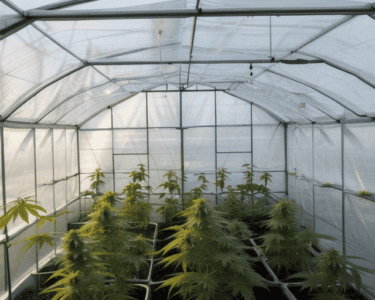
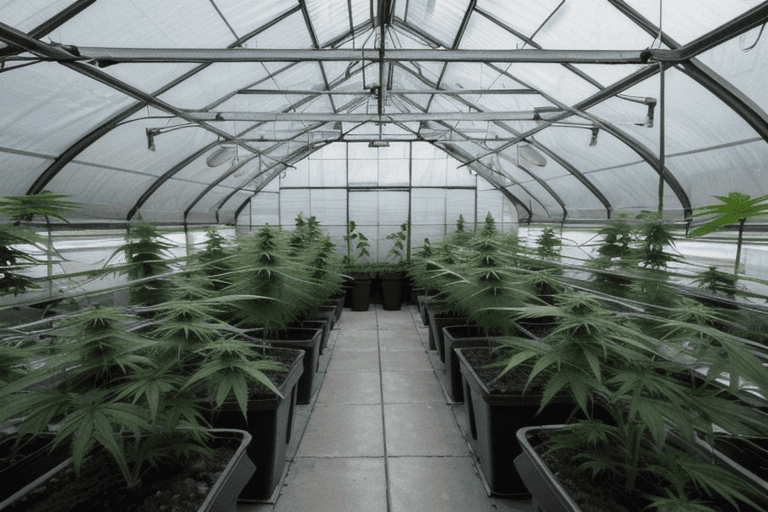
Rodgers, who has grown cannabis and hemp for years, has permission to grow cannabis at a site on Rodgers Road named for his family in Glover, Vermont. But in June, a state inspector found him growing plants in a greenhouse about a mile away, even though Rodgers had never told the state he was doing so there.
The plants were small starts, Rodgers said, which means they had no or very little THC in them. He said there were 120 plants; the board’s violation notice described “approximately 200.”
State rules require cultivators to update regulators on the precise location of where plants are growing, including keeping up-to-date maps of their operations on file, Crowley said in the statement.
How The Oversight Happened
Rodgers said in the interview that his son, who is his partner in the cannabis business, failed to include the building in the most recent updated information they shared with state regulators. Rodgers said he intended to include the greenhouse details.
“But that’s what happens,” Rodgers told the Valley News. “He has two businesses. I have several businesses, and I’m the lieutenant governor, and we work six or seven days a week.
Sometimes, you drop the ball.”