 By
By [ad_1]
In the horticultural landscape, few innovations have captured the imagination of both growers and consumers like vertical farming. This technique, which involves stacking layers of crops to maximize space, is rapidly transforming the way cannabis is cultivated. With varying legal statuses across states and evolving consumer demands, understanding the principles and methodologies of vertical farming can provide cannabis enthusiasts with a cutting-edge approach to cultivation. This article delves into current vertical farming techniques specifically tailored for cannabis enthusiasts in the United States.
Understanding Vertical Farming
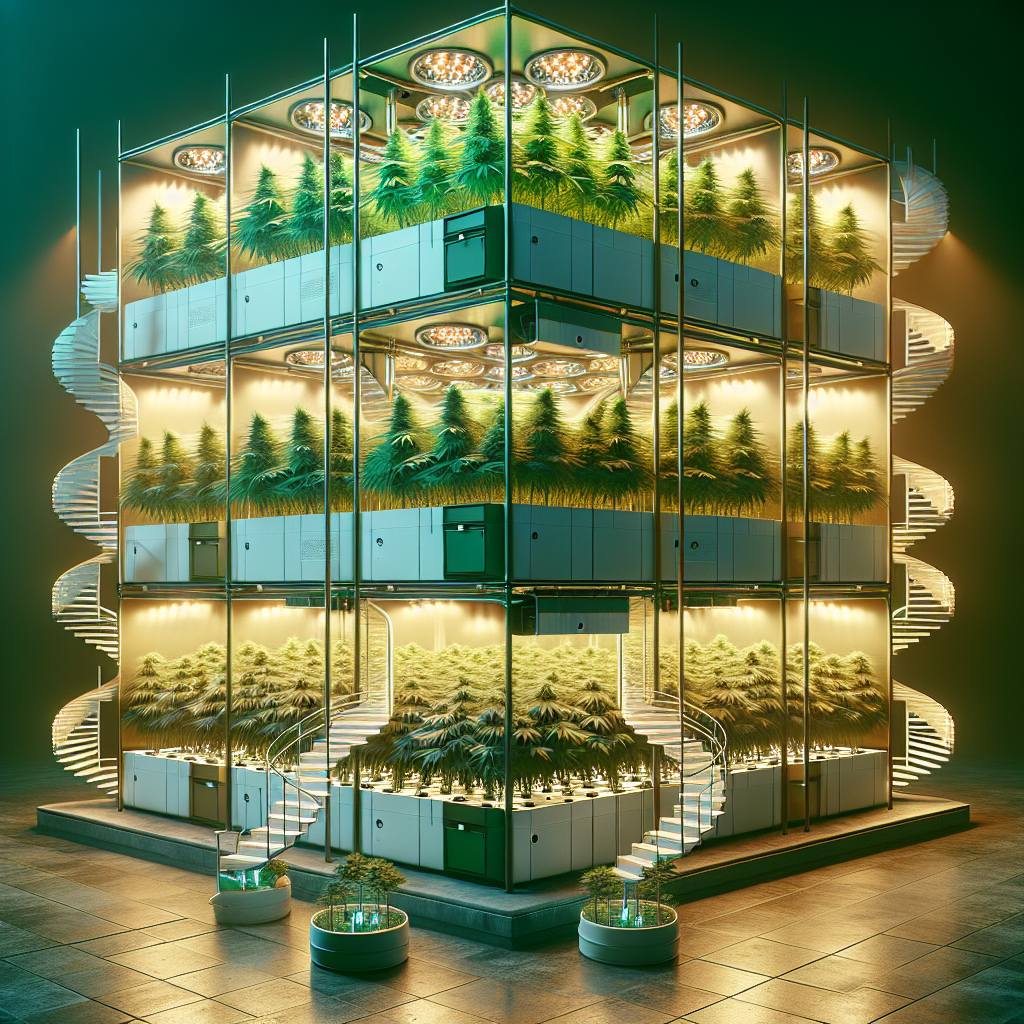
Vertical farming refers to the agricultural strategy of producing food in vertically stacked layers. It employs controlled-environment agriculture (CEA) technology to optimize plant growth conditions. This practice is particularly valuable in dense urban areas where space is limited, and growing conditions can often be less-than-ideal. According to the U.S. Department of Agriculture, the market for vertical farming is expected to grow significantly, driven by increased demand for local produce and sustainable practices. For cannabis cultivators, this method not only maximizes yield per square foot but also allows for year-round cultivation, which can be a game-changer in a market that is becoming increasingly competitive.
The Benefits of Vertical Farming for Cannabis
One of the most significant advantages of vertical farming is the control it affords growers over environmental variables. Technologies such as hydroponics, aeroponics, and aquaponics allow for efficient nutrient delivery while minimizing water usage. According to recent studies by the National Cannabis Industry Association, hydroponic systems in particular can yield more than double the amount of cannabis compared to traditional soil-based methods. In addition, vertical systems can employ advanced LED lighting tailored for the specific growth stages of cannabis plants, enhancing growth speed and quality. This alignment with sustainability and efficiency is crucial, especially as environmental concerns increasingly influence consumer choices and regulatory decisions across the U.S.
Techniques to Implement Vertical Farming
Successful vertical farming relies on several key techniques. First, let’s discuss lighting. LED lights have emerged as a popular choice among cannabis growers due to their energy efficiency and customizable spectrums. This allows for optimal photosynthesis at different growth stages, leading to healthier plants and better yields.
Next, irrigation systems play a pivotal role. Ebb and flow systems or drip irrigation can be integrated with vertical growing frameworks. These systems help conserve water while ensuring that each plant receives the necessary nutrients. Recent developments in sensor technology also allow growers to monitor moisture levels in real-time, further enhancing water efficiency.
Next, it’s crucial to consider ventilation and air circulation. With stacked layers of plants, airflow becomes essential to prevent mold and other issues. Specialized fans and air circulation systems can help maintain temperature and humidity, creating a conducive environment for cannabis plants.
Finally, utilizing space wisely can dictate a vertical farm’s success. Mobile shelving units that can be adjusted based on the growth stage of the cannabis plants can maximize vertical space. Automation technologies also come into play with computer-controlled systems that manage lighting, irrigation, and temperature in real-time, thereby reducing labor costs and minimizing human error.
Current Trends in Vertical Cannabis Farming
The cannabis industry is not only adjusting to vertical farming but also innovating within it. Major industry players are investing heavily in automated vertical farms that leverage artificial intelligence to predict optimal growing conditions. For example, companies like Urban Grow are enabling cultivators to monitor growth through remote access systems. Such advancements streamline production and improve quality control, directly impacting the bottom line.
Furthermore, community-centered vertical farming initiatives are emerging. Cities like Denver and San Francisco are championing local growers, allowing small-scale cultivators to adopt vertical farming techniques. In these models, existing agricultural land is repurposed for multi-layered urban farms, promoting both sustainability and food security. As legalization spreads, these types of community-driven initiatives are likely to gain traction, paving the way for local entrepreneurs to thrive within the burgeoning cannabis market.
Looking Ahead: The Future of Vertical Cannabis Farming
As we look to the future, the integration of technology and farming efficiency will likely dictate the trajectory of vertical farming in the cannabis industry. Consumer preferences are shifting toward sustainably produced products, and vertical farming naturally fits this demand by promising lower carbon footprints and reduced resource consumption. The venture-backed startups focusing on CEA systems for cannabis are poised to lead this charge, providing solutions that will allow for more accessible, organic cannabis cultivation.
In addition, regulatory landscapes are changing. As more states legalize cannabis, the market becomes more competitive; vertical farming can offer a way for small cultivators to stand out by providing high-quality, sustainably-grown products. Continued investment in research and development will also lead to more resilient and efficient growing techniques, ensuring that cannabis remains a vibrant sector of American agriculture.
Conclusion
Vertical farming is not merely a novel approach; it represents a paradigm shift in how cannabis can be cultivated in the U.S. With its myriad advantages, including space optimization, sustainability, and year-round operations, it offers significant benefits for cannabis enthusiasts. As the industry evolves, vertical farming stands poised as a strategic method for growers looking to innovate and adapt in an increasingly crowded market. Ultimately, the future of cannabis cultivation may depend not only on the plants themselves but on how effectively growers leverage technological advancements to push the boundaries of traditional farming methods. For cannabis cultivators, embracing vertical farming could very well be the key to thriving in this dynamic landscape.
[ad_2]