 By
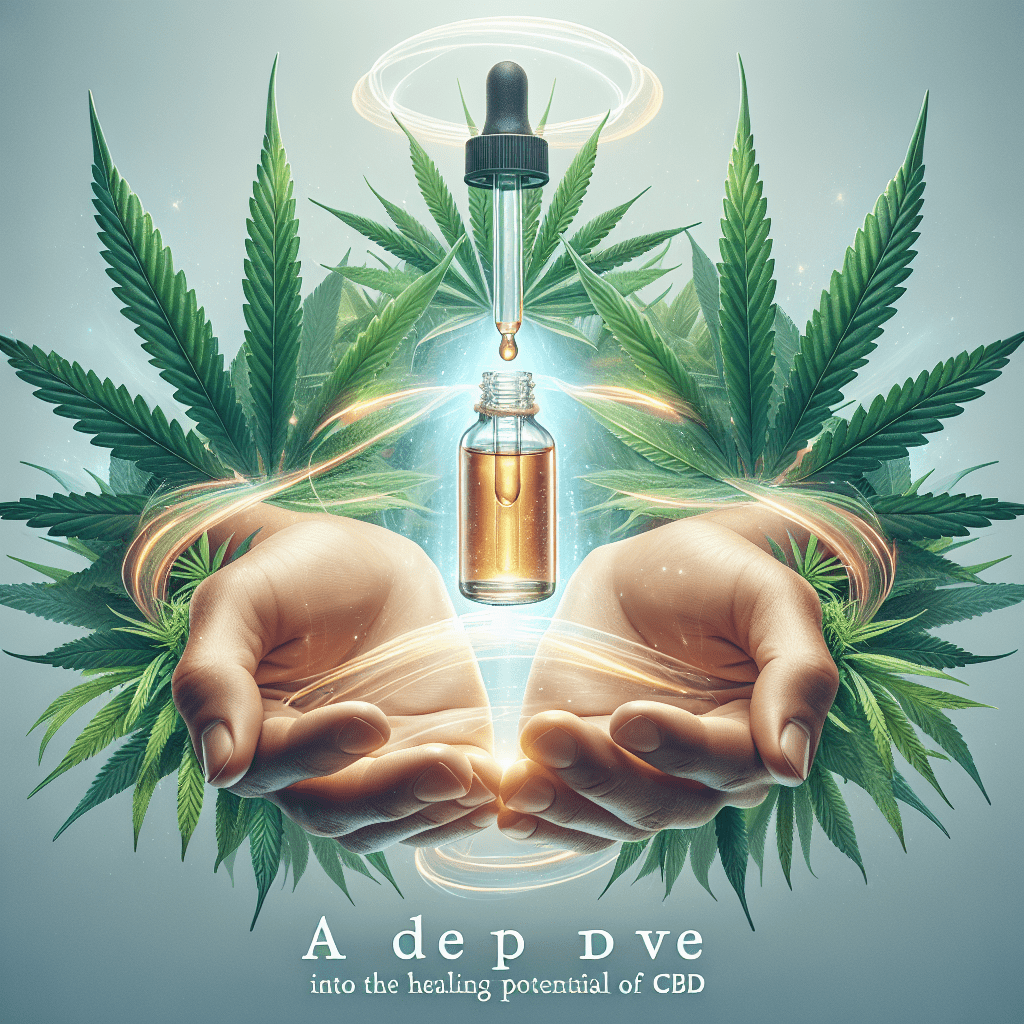
By A Deep Dive into the Healing Potential of CBD in the United States
The landscape of healthcare in the United States is continuously evolving, particularly with the rise of alternative therapies. One compound that has garnered considerable attention is cannabidiol, commonly known as CBD. Derived from the cannabis plant, CBD is non-psychoactive and has gained popularity not only for its therapeutic benefits but also for its potential to revolutionize treatment regimens across various conditions. This article explores the current state of CBD in the United States, including its healing potential, the regulatory landscape, prevailing research, and what lies ahead in the realm of CBD-based therapies.
Understanding CBD: Origins and Mechanism
CBD is one of over 100 cannabinoids found in the cannabis plant and is distinct from its more widely known counterpart, THC (tetrahydrocannabinol), which is responsible for marijuana’s psychoactive effects. Instead, CBD has been linked with a range of health benefits, sparking interest from both researchers and consumers alike. Early evidence suggests that CBD interacts with the endocannabinoid system—a complex cell-signaling system that plays a crucial role in regulating various bodily functions. By influencing receptors involved in pain perception, immune response, and sleep, CBD holds promise as a versatile therapeutic agent.
In a rapidly changing medical landscape, understanding the specific applications of CBD is vital. Research has indicated potential benefits for conditions such as chronic pain, anxiety, epilepsy, and even certain neurodegenerative disorders. As a result, countless products—from oils and tinctures to edibles and topicals—have flooded the market, catering to an increasingly health-conscious public.
Regulatory Landscape: What You Need to Know
In 2018, the Farm Bill legalized hemp-derived CBD at the federal level, separating it from marijuana, which remains classified as a Schedule I substance. However, the regulatory environment surrounding CBD remains somewhat ambiguous, especially regarding its use in food and dietary supplements. Currently, the U.S. Food and Drug Administration (FDA) has approved only one CBD product: Epidiolex, a drug targeted at treating specific forms of epilepsy. While this paves the way for further research and regulatory developments, several hurdles still exist.
Many states have adopted their own laws regarding the production and sale of CBD. For example, some states permit the use of CBD in food and beverages, while others not only require stringent labeling but also regulate its use in cosmetics and dietary products. This patchwork approach can create confusion for consumers and poses challenges for businesses navigating the CBD landscape. However, the FDA has indicated a desire to clarify regulations, which could lead to more streamlined legality and facilitate further research into CBD’s health benefits.
Current Research Trends
The scientific community has made significant strides in understanding the therapeutic potential of CBD, with studies investigating various health issues. A key area of focus is mental health, particularly anxiety and depression. According to a 2021 study published in The Journal of Clinical Psychology, CBD demonstrated significant efficacy in reducing anxiety levels in patients with Social Anxiety Disorder. This finding has resonated with countless individuals seeking alternatives to conventional pharmaceuticals, many of which come with undesirable side effects.
In addition to mental health, researchers are diving deeper into CBD’s role in managing chronic pain and inflammation. A systematic review in 2020 in Frontiers in Pharmacology analyzed multiple studies and concluded that CBD may significantly reduce pain-related distress. Similarly, a growing body of evidence suggests its potential effectiveness in treating conditions like arthritis, fibromyalgia, and multiple sclerosis. These findings are prompting healthcare providers to consider integrating CBD into treatment plans, with the hope of offering patients a holistic and less invasive option.
Consumer Insights and Trends
As CBD products proliferate, consumer preferences are evolving. A recent survey conducted by the Brightfield Group noted that the CBD market is projected to exceed $20 billion by 2024. These findings reflect a notable paradigm shift in consumer behavior, as many individuals are increasingly opting for natural remedies over traditional pharmaceuticals. While this shift presents immense potential for growth, it also raises concerns about product quality and safety.
The lack of standardization and oversight in the CBD industry can lead to discrepancies in product potency and purity. To address this, consumers are advised to seek products that provide third-party lab testing results. This ensures that the products they consume contain the advertised levels of CBD and are free from harmful contaminants. Additionally, as awareness increases, consumers are becoming more educated about the sourcing of hemp and the extraction methods used, leading to a demand for organic and sustainably produced products.
Looking Ahead: The Future of CBD in Healthcare
As the CBD landscape continues to evolve, collaboration between researchers, policymakers, and healthcare providers is imperative to unlock its full potential. The FDA is expected to hold meetings aimed at establishing guidelines that could pave the way for safe CBD consumption in food and supplements. Furthermore, ongoing clinical trials targeted at various ailments will likely shed light on the efficacy of CBD, further legitimizing its use as a therapeutic agent.
In the realm of public perception, continued education will be crucial. With many still holding misconceptions about cannabis and its derivatives, efforts to raise awareness about the benefits and safety of CBD are necessary for broader acceptance in mainstream healthcare.
Conclusion
As we stand on the cusp of a potential health revolution driven by CBD, it is crucial to remain informed and cautious. While the healing potential of CBD is backed by an increasing body of research, it exists within a complex legal and regulatory framework that can be daunting for both consumers and producers. Yet, as public interest mounts and scientific inquiry deepens, the possibilities for CBD to serve as a viable therapeutic alternative are becoming ever more tangible. As future developments unfold, it will be fascinating to observe how this compound shapes the landscape of healthcare in America, offering hope for numerous individuals seeking effective and safe treatment alternatives.