

 By
By [ad_1]
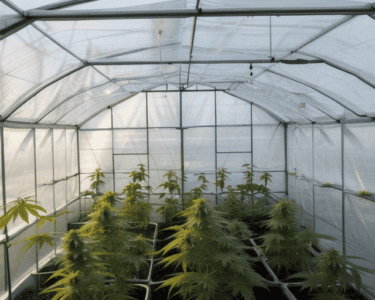
As a burgeoning field of interest for many horticulturists and entrepreneurs alike, greenhouse cultivation of cannabis has emerged as a beacon of best practices and innovative techniques. The controlled environment of a greenhouse allows for enhanced growth conditions, making it an ideal setting for cultivating high-quality cannabis. In this article, we’ll explore essential strategies that can help you create a thriving cannabis garden within your greenhouse.
Understanding the Greenhouse Environment
One of the greatest advantages of greenhouse cultivation is the ability to manipulate environmental factors such as temperature, humidity, and light. Here are critical components to consider:
1. Temperature Control
Cannabis thrives in temperatures between 70°F (20°C) and 85°F (29°C) during the day, with a slight drop at night. Utilizing heating systems, ventilation fans, and shade cloths can help maintain these ideal temperatures. Automated climate controls can significantly assist in managing temperature fluctuations, ensuring a consistent growing environment.
2. Light Management
Light is a critical aspect of photosynthesis and overall plant health. While natural sunlight is the best source, supplemental LED or HPS lighting may be necessary during shorter days or cloudy weather. Modern grow lights with adjustable spectrums enable you to cater to the specific growth stages of your cannabis plants.
3. Humidity Levels
Humidity levels greatly influence plant transpiration, mold growth, and nutrient uptake. During the vegetative stage, humidity levels between 40% and 70% are ideal, while during flowering, lower humidity levels of 40% to 50% help prevent bud rot. Dehumidifiers and proper ventilation systems are crucial for controlling humidity.
Soil and Nutrients
4. Choosing the Right Soil Mix
The foundation of any successful greenhouse cannabis garden lies in the quality of the soil. A light, well-draining mix that retains moisture yet allows for adequate aeration is essential. Common ingredients in cannabis soil blends include peat moss, coco coir, perlite, and vermiculite.
5. Nutrient Application
Cannabis has specific nutrient requirements throughout its growth cycle—nitrogen (N) during vegetative growth, phosphorus (P) during the flowering stage, and potassium (K) throughout. Practicing regular soil testing ensures that you provide the correct nutrients in the right amounts, optimizing plant growth and yield.
Integrated Pest Management (IPM)
6. Natural Pest Control
Pests can plague any greenhouse environment, but an Integrated Pest Management (IPM) approach minimizes harm through sustainable practices. Introduce beneficial insects like ladybugs for aphid control or use insecticidal soaps and organic pesticides as a last resort. Crop rotation and companion planting can deter pests effectively while enriching the soil.
7. Disease Prevention
Moist environments can promote diseases like powdery mildew or root rot. To prevent these issues, ensure good air circulation and monitor water levels. Utilizing mycorrhizal fungi or beneficial bacteria can also enhance root health, making plants less susceptible to pathogens.
Watering Techniques
8. Smart Irrigation
Efficient watering practices are vital for healthy cannabis plants. Drip irrigation systems are an excellent choice, delivering water directly to the roots while minimizing evaporation. Additionally, setting up a rainwater collection system can help reduce costs and provide high-quality, chlorine-free water.
Harvesting and Post-Harvest Handling
9. Timing the Harvest
Knowing when to harvest is crucial for maximizing the potency and flavor of your cannabis. Monitoring trichome development can guide you; clear trichomes indicate immaturity, while cloudy ones signal peak potency. An optimal harvest coincides with roughly 30% amber trichomes for the best balance of THC and CBD.
10. Proper Drying and Curing
Once harvested, cannabis must be dried and cured correctly. Hang your plants in a dark, controlled environment with good airflow to avoid mold. After drying, the curing process in glass jars allows for flavor and potency development, enhancing the final product.
Conclusion
Cultivating cannabis in a greenhouse offers optimal conditions for growth, leading to a bountiful harvest of high-quality buds. By implementing best practices in temperature control, nutrient management, pest management, and harvesting techniques, growers can ensure a successful and sustainable operation. With the right knowledge and dedication, your greenhouse can transform into a true gardener’s paradise.
FAQs
Q1: How much space do I need for a cannabis greenhouse?
A1: The space required will depend on the number of plants you plan to grow. A small greenhouse can accommodate a few plants for personal use, while larger setups can maximize commercial production with hundreds of plants.
Q2: Can I grow cannabis in a greenhouse year-round?
A2: Yes, with the right climate controls and supplemental lighting, you can grow cannabis year-round in a greenhouse.
Q3: What strains are best suited for greenhouse cultivation?
A3: Photoperiod strains that require specific light cycles tend to do well in greenhouses, while autoflowering strains are also popular for their adaptability.
Q4: How do I deal with pests naturally?
A4: Introducing beneficial insects such as predatory mites and ladybugs, and cultivating companion plants can help keep pest populations in check naturally.
Q5: What are the signs of overwatering cannabis plants?
A5: Signs include yellowing leaves, wilting, and a root rot smell. Properly managing watering schedules and choosing a good soil mix can help prevent these issues.
[ad_2]