

 By
By [ad_1]
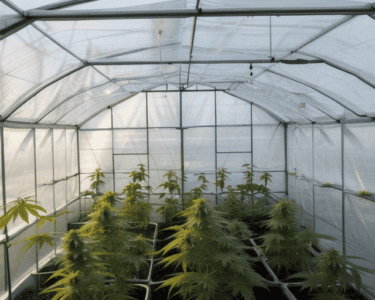
The demand for cannabis has skyrocketed in recent years, leading cultivators to explore innovative growth techniques to maximize their yield and quality. One method that has gained considerable traction is greenhouse cultivation. Combining the natural benefits of outdoor cultivation with the controlled environment of indoor growing, greenhouses enable growers to maintain optimal conditions throughout the year, resulting in healthier plants and higher yields. In this article, we will delve into how maximizing your cannabis yield inside a greenhouse can revolutionize your grow operation and answer frequently asked questions on the topic.
The Benefits of Greenhouse Cultivation
1. Controlled Environment
One of the primary advantages of a greenhouse is the ability to control environmental factors such as temperature, humidity, light, and air circulation. This allows growers to create an ideal environment for cannabis cultivation, reducing stress on plants and promoting robust growth. Proper ventilation and temperature management can mitigate the risks of diseases and pests, enhancing plant resilience.
2. Extended Growing Season
Greenhouses can extend the traditional growing season, allowing cultivators to take advantage of more light and warmth than is generally possible outdoors. In many climates, greenhouses can facilitate year-round cultivation, enabling multiple harvests per year. This is particularly beneficial for growers in regions with shorter growing seasons or harsh weather conditions.
3. Enhanced Light Utilization
Greenhouses maximize natural sunlight exposure, which is crucial for photosynthesis. By incorporating reflective materials and utilizing the right glazing, growers can optimize light penetration to reach all plant parts. Supplemental lighting, such as LED grow lights, can be used to enhance growth further, especially during winter months when sunlight is limited.
4. Improved Resource Management
A greenhouse allows for more efficient resource management concerning water and nutrients. Modern greenhouse systems can integrate hydroponics or aquaponics, which use significantly less water than traditional soil growing methods. Additionally, by using drip irrigation and automated nutrient delivery systems, growers can maintain proper hydration and nutrient balance more easily, fostering healthier plants.
5. Pest and Disease Control
Growing cannabis in a greenhouse provides more protection from common pests and diseases than outdoor growing. Enclosed environments can facilitate the use of integrated pest management (IPM) strategies, including beneficial insects or organic pesticides. Additionally, the controlled environment limits the chance of contamination from outdoors, reducing the likelihood of infestations.
Key Tips for Maximizing Yield in a Greenhouse
1. Select the Right Strains
Certain cannabis strains are better suited for greenhouse growing than others. Indica-dominant strains tend to have shorter growth cycles and may produce higher yields during the winter months. Conversely, sativa-dominant strains might perform better in a fully equipped greenhouse with ample light. Researching and selecting strains based on local climate and specific greenhouse conditions is crucial for maximizing yield.
2. Monitor Environmental Conditions
Consistent monitoring of temperature, humidity, and light is essential to optimize plant growth. Utilizing digital tools such as climate control systems, sensors, and smart software can help monitor and adjust these parameters automatically. Additionally, conducting regular inspections of your plants can help identify early signs of stress or disease.
3. Employ Appropriate Growing Techniques
Techniques such as pruning, topping, and training can significantly affect cannabis yield. Maintaining proper canopy management ensures that all plant parts receive adequate light, promoting robust growth. Techniques like ScrOG (Screen of Green) or SOG (Sea of Green) can also help maximize space and improve light penetration, resulting in higher yield per square foot.
4. Implement Nutrient Management
Cannabis plants require specific nutrients at different growth stages. Utilizing soil amendments, organic compost, or tailored nutrient solutions can help provide the essential elements that promote strong growth. Regularly testing the growing media for pH and nutrient levels can ensure plants receive balanced nutrition throughout the growing cycle.
5. Consider Seasonal Cycles
Understanding and adapting to seasonal cycles can further maximize greenhouse yields. For instance, growers can start seedlings in early spring and transfer them to the greenhouse as temperatures rise. Growers can also stagger planting schedules to ensure that plants are ready for harvest when market demand peaks.
Conclusion
Greenhouse cultivation presents a unique advantage in maximizing cannabis yields year-round. With a controlled environment, extended growing seasons, and the ability to manage resources effectively, greenhouse growers can experience increased productivity and profitability. By selecting the right strains, monitoring conditions, employing advanced growing techniques, and adapting to seasonal cycles, cultivators can reap the full benefits of greenhouse gardening, making it a viable alternative for both commercial and personal growers.
FAQs
1. Is greenhouse cultivation more expensive than traditional growing methods?
While initial setup costs for a greenhouse may be higher, the potential for increased yields and multiple harvests can offset the investment over time. Additionally, greenhouse growing often requires fewer inputs for pest and disease management.
2. How much sun does a greenhouse need for optimal cannabis growth?
A greenhouse should ideally receive direct sunlight for at least 6 to 8 hours per day. However, supplemental lighting may be necessary in regions with limited sunlight, particularly during shorter winter days.
3. What are common pests and diseases in greenhouse cannabis?
Common pests include spider mites, aphids, and whiteflies, while diseases could involve powdery mildew and root rot. Regular monitoring and implementing integrated pest management practices can help mitigate these issues.
4. Can I grow cannabis hydroponically in a greenhouse?
Yes, hydroponics is a popular method for greenhouse cannabis cultivation. It can lead to faster growth and higher yields when managed correctly.
5. How do I optimize ventilation in my greenhouse?
Proper ventilation can be achieved through automated roof vents, exhaust fans, and side vents. Keeping air circulating reduces humidity and helps maintain optimal temperatures for plant growth.
[ad_2]