

 By
By A Natural Remedy? How Cannabis is Being Used in Holistic Health Practices in the United States
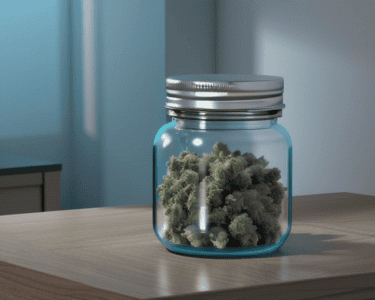
In recent years, cannabis has transitioned from the fringes of medicine into mainstream health practices in the United States. Once stigmatized and relegated to the shadows, it is now recognized for its potential therapeutic properties. As an increasing number of states legalize cannabis for both medical and recreational uses, holistic health practitioners are integrating this natural remedy into their wellness protocols, seeking to harness its myriad benefits for a variety of health issues.
Historical Perspective
While cannabis has been utilized for medicinal purposes for thousands of years in various cultures, its modern resurgence in holistic health can be traced back to the late 20th century. Amid the growing awareness of the limitations of conventional pharmaceuticals, many individuals began exploring alternative treatments. In the 1990s, the medical cannabis movement gained momentum, culminating in the first state, California, legalizing medical marijuana in 1996. This sparked a nationwide interest in the potential applications of cannabis in holistic health.
The Science Behind Cannabis
Cannabis contains over 100 chemical compounds called cannabinoids. The two most studied are delta-9-tetrahydrocannabinol (THC) and cannabidiol (CBD). THC is responsible for the psychoactive effects often associated with marijuana, while CBD has gained recognition for its therapeutic effects without the "high." Research suggests that cannabinoids interact with the endocannabinoid system in the human body, which plays a critical role in regulating various physiological processes, including mood, pain sensation, and immune response.
Emerging evidence indicates that cannabis may offer relief from several conditions commonly treated in holistic health practices, such as chronic pain, anxiety, depression, and insomnia. This is particularly significant in a time when the opioid epidemic has raised concerns over the safety and efficacy of traditional pain management protocols.
Cannabis in Holistic Health Practices
With its expanding legal status, cannabis is now being utilized in various holistic health practices, encompassing acupuncture, massage therapy, and nutrition. Here’s how cannabis is making its mark:
-
Pain Management: Holistic practitioners often recommend cannabis for managing chronic pain. For patients seeking alternatives to opioids, cannabis provides a viable option. Studies indicate that many patients report reduced pain levels after using cannabis, highlighting its potential to improve quality of life without the side effects commonly associated with traditional pain medications.
-
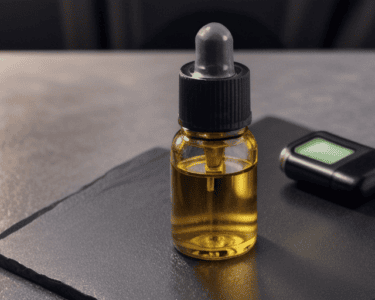
Anxiety and Depression: Anxiety and depression have become pervasive concerns in modern society. Cannabinoids, particularly CBD, have demonstrated anxiolytic (anxiety-reducing) effects in numerous studies. Practitioners incorporate CBD oil into wellness regimens to promote relaxation and improve mood, providing clients with a natural alternative to antidepressants and anti-anxiety medications.
-
Insomnia: Sleep disturbances plague many individuals, often leading to detrimental effects on physical and mental well-being. Cannabis, particularly strains high in CBD, may promote better sleep quality. Holistic health practitioners are turning to cannabis as a remedy for insomnia, advising clients on proper dosing and timing to achieve restorative sleep.
-
Nutritional Support: Cannabis has also found its way into nutritional practices. Edible cannabis products, such as infused oils and tinctures, are becoming popular among holistic health advocates. These products are used in recipes and meal plans to support overall health, providing essential nutrients and cannabinoids in a discreet and enjoyable form.
- Mind-Body Connection: Many holistic health modalities emphasize the connection between the mind and body. Cannabis can enhance practices like yoga, meditation, and mindfulness training by helping individuals achieve a deeper state of relaxation and focus. Practitioners often guide clients to use specific cannabis strains to enhance their experience during these practices, deepening their connection to their physical and emotional states.
Challenges and Considerations
Despite its growing popularity, the incorporation of cannabis into holistic health is not without challenges. The legal landscape remains complex, and practitioners must navigate local laws and regulations surrounding cannabis use. Additionally, there is still a stigma associated with cannabis that persists in some circles, which may deter individuals from exploring its benefits.
Moreover, the lack of standardization in dosing and product quality raises concerns about safety and efficacy. Educating clients on responsible cannabis use is a crucial responsibility for holistic health practitioners. They must ensure patients receive accurate information about strains, dosages, and potential side effects.
Conclusion
As cannabis solidifies its place in holistic health practices across the United States, the line between conventional and alternative therapies continues to blur. Holistic health practitioners are embracing cannabis not only as a treatment modality but as a viable solution for many chronic conditions that plague modern society. The emphasis on natural remedies resonates with an informed public seeking alternatives to traditional medicine, and cannabis provides a multifaceted approach to health and wellness.
While further research is needed to fully understand its potential, the integration of cannabis into holistic health practices marks a promising shift towards more inclusive, diverse, and patient-focused healthcare approaches. As awareness and acceptance grow, the future of cannabis in holistic health looks increasingly bright.