

 By
By [ad_1]
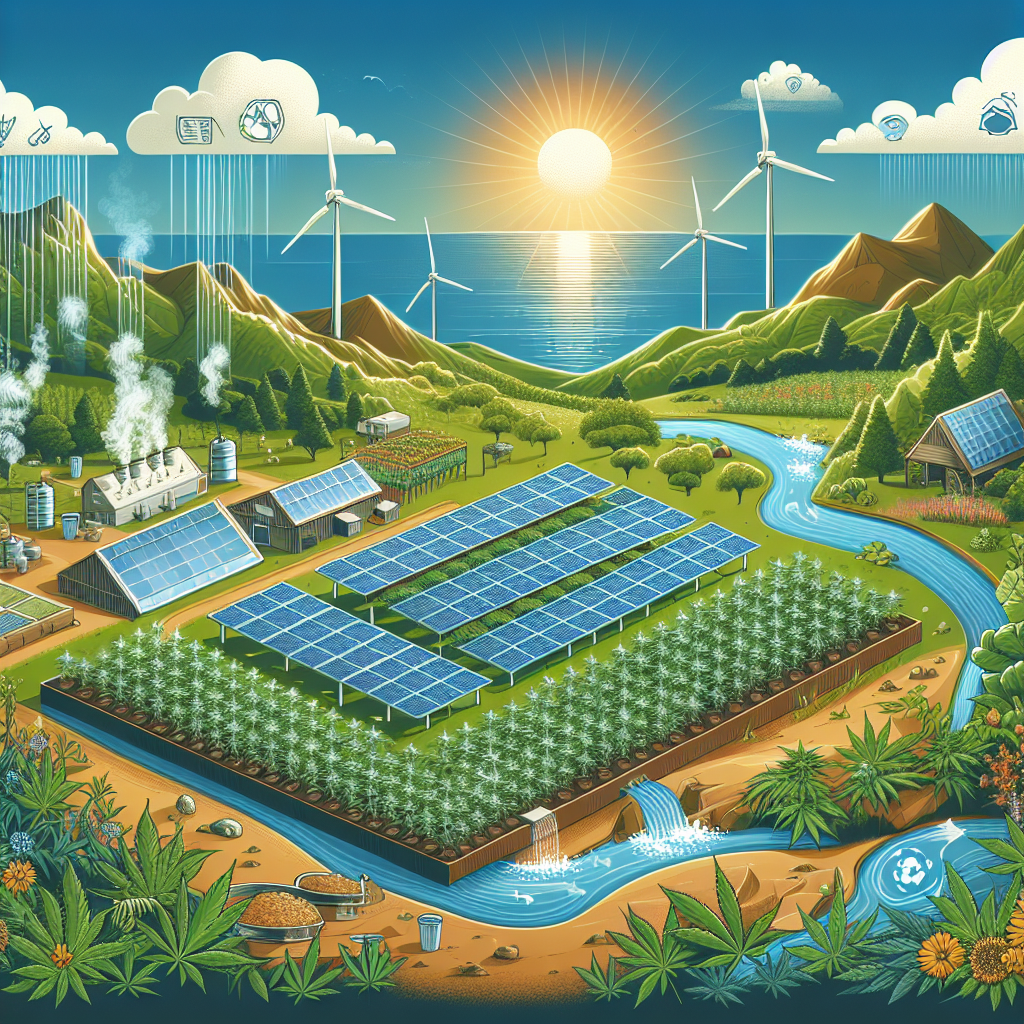
The conversation around sustainability has gained immense traction over the past few decades, with numerous industries looking for innovative ways to reduce their carbon footprints and promote environmental well-being. Among these industries, cannabis has emerged as a surprising yet promising player in the sustainability game. From its cultivation to its usage, cannabis presents potential benefits that could significantly impact environmental sustainability.
Cannabis as a Sustainable Crop
Cannabis is a hardy plant that can thrive in a range of climates. It requires minimal pesticides and herbicides compared to other crops, making it an eco-friendlier choice. Additionally, cannabis plants possess remarkable capabilities for carbon sequestration; they absorb CO2 from the atmosphere during photosynthesis, which can help mitigate climate change. According to agricultural studies, one hectare of hemp can absorb approximately 15 tons of CO2 annually. This ability affirms a compelling argument for cannabis as a viable, environmentally beneficial crop.
Water Conservation and Soil Health
Water scarcity is an increasingly pressing global issue that demands innovative solutions. Traditional agriculture is often water-intensive, contributing to depletion of local water sources. In contrast, cannabis can be grown efficiently with a fraction of the water typically required for other cash crops. Moreover, techniques such as drip irrigation and rainwater harvesting can be effectively employed in cannabis cultivation, further enhancing water conservation efforts.
Additionally, growing cannabis can have positive effects on soil health. Deep-rooted plants like cannabis help aerate the soil and improve its structure, which can lead to enhanced nutrient cycling and biodiversity. Furthermore, organic cannabis farming encourages the use of natural fertilizers and composting, reducing reliance on synthetic chemicals that can harm the environment.
Biodegradable Products and Materials
The versatility of cannabis extends beyond medicinal and recreational use. The hemp variant of the plant can be utilized to produce biodegradable goods, which are increasingly vital in combating plastic pollution. Hemp can be transformed into a wide array of products, including biodegradable plastics, textiles, and even construction materials. By integrating hemp-based materials into the marketplace, we can reduce the demand for petroleum-based products and promote a circular economy.
A Renewable Energy Source
Cannabis can also play a role in renewable energy production. Hemp seeds are rich in oil, which can be processed into biodiesel, a renewable energy source that emits fewer greenhouse gases compared to fossil fuels. Furthermore, hemp fibers can be used to produce biofuel, further expanding the array of renewable energy options available in the global market. By investing in and promoting hemp-based energy solutions, societies can work towards reducing dependence on nonrenewable resources.
Social and Economic Impact
In addition to its environmental benefits, cannabis cultivation can contribute to social and economic sustainability. The legalization of cannabis in various regions has led to new economic opportunities, including job creation within the cannabis industry itself. Farms growing cannabis can employ many individuals and support local economies, thus promoting social equity. Many cannabis companies are now prioritizing sustainable practices and social responsibility, which emphasizes the potential for cannabis to become a leader in environmentally conscious business models.
Challenges and Considerations
Despite its promise, the journey toward integrating cannabis into the sustainability paradigm is not without challenges. Regulatory barriers, stigma, and the need for consistent practices across cultivation methods pose significant hurdles. Furthermore, as demand for cannabis products rises, the potential for unsustainable farming practices or overexploitation of natural resources looms. To mitigate these risks, it is essential to promote sustainable cultivation practices and comprehensive regulations that prioritize environmental health.
Conclusion: A Path Forward
The role of cannabis in environmental sustainability offers a glimpse of what is possible when innovation meets ecological responsibility. As the industry continues to evolve, embracing sustainable practices can lead to significant positive outcomes—from carbon sequestration and soil health to biodegradable materials and renewable energy sources. It is imperative for policymakers, farmers, businesses, and consumers to work together to harness the full potential of cannabis as a force for good in the fight against climate change and environmental degradation.
Ultimately, cultivating change through cannabis could pave the way for a more sustainable future. By prioritizing environmentally friendly practices, we can ensure that this invaluable crop not only enhances our economy but also protects our planet for generations to come.
[ad_2]