
 By
By [ad_1]
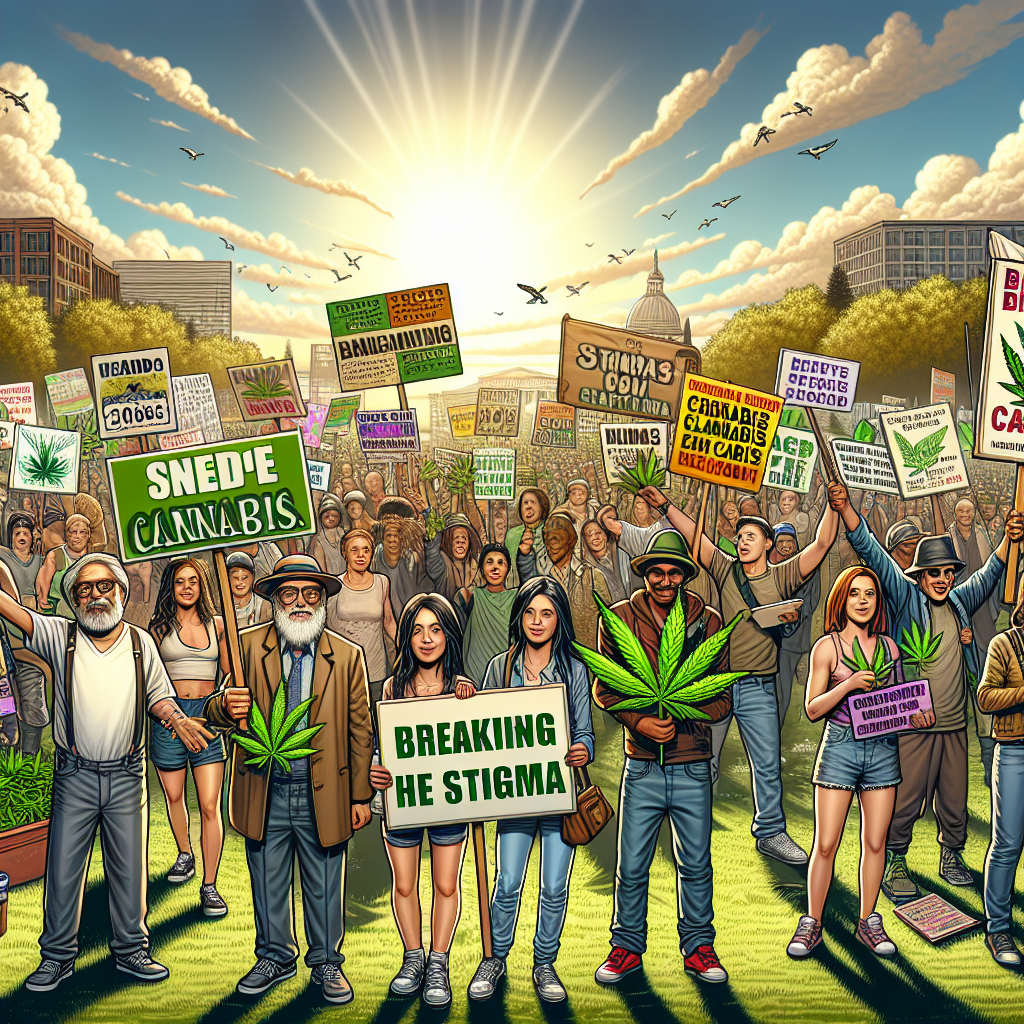
Breaking the Stigma with Cannabis Activism in the United States
The landscape of cannabis legalization in the United States has undergone significant transformation over the past few decades. Once a substance shrouded in controversy and legal restrictions, cannabis is now at the forefront of a national conversation about its medical benefits, economic potential, and social implications. This shift is largely driven by dedicated activists and organizations committed to breaking the stigma associated with cannabis use.
Historical Context and the Rise of Cannabis Activism
The journey toward cannabis legalization in the U.S. began in earnest in 1996 when California voters approved Proposition 215, legalizing medical cannabis. This landmark decision set a precedent, leading to the adoption of similar laws in numerous other states. Despite these state-level reforms, cannabis remained classified as a Schedule I substance under the federal Controlled Substances Act, a designation it shares with substances like heroin and LSD. This federal classification has historically hindered scientific research and perpetuated negative perceptions of cannabis use. (time.com)
In response to these challenges, organizations such as the National Organization for the Reform of Marijuana Laws (NORML) have played pivotal roles in advocating for policy changes. Founded in 1970, NORML has been instrumental in promoting the decriminalization and legalization of cannabis, aligning with its mission to remove penalties for the private possession and responsible use of marijuana by adults. (en.wikipedia.org)
Recent Developments in Cannabis Legalization
The momentum for cannabis reform has continued into the 2020s. In 2024, the Drug Enforcement Administration (DEA) took a significant step by rescheduling cannabis from Schedule I to Schedule III under the Controlled Substances Act. This change marked a major advancement toward federal legalization and acknowledged the evolving understanding of cannabis’s medical applications. (reuters.com)
State-level initiatives have also been noteworthy. As of 2024, medical cannabis is legal in 40 states, and recreational cannabis is permitted in 24 states. However, not all state referendums have been successful. In 2024, voters in Florida, North Dakota, and South Dakota rejected measures to legalize recreational cannabis, highlighting the ongoing challenges in shifting public opinion and policy. (reuters.com)
The Role of Activism in Overcoming Stigma
Activism has been central to challenging and changing the stigma surrounding cannabis use. Grassroots organizations like the Buffalo Cannabis Movement have been instrumental in advocating for legalization and decriminalization. Established in 2014, the Buffalo Cannabis Movement has worked to shift public opinion and influence policy decisions, emphasizing the responsible use of cannabis by adults. (en.wikipedia.org)
Nationally, the Congressional Cannabis Caucus, formed in 2017, has played a crucial role in harmonizing federal laws with state policies that permit medical and recreational cannabis use. This bipartisan group of lawmakers seeks to address the conflicts between federal and state regulations, advocating for reforms that reflect the changing landscape of cannabis legalization. (en.wikipedia.org)
Challenges and the Path Forward
Despite these advancements, challenges persist. Anti-legalization groups, such as Smart Approaches to Marijuana (SAM), continue to lobby against cannabis reform, employing legal, political, and social strategies to influence policymakers and public perception. Their efforts have included campaigns against corporate interests in cannabis legalization and lobbying against proposed legislation like the Secure and Fair Enforcement Regulation Banking Act (SAFER Banking Act), which aims to provide legal cannabis businesses access to essential banking services. (reuters.com)
Moreover, the legacy of the War on Drugs continues to affect minority communities. The legalization of marijuana was partly intended to reverse the damage caused by the war on drugs, which disproportionately affected Black, Latino, and other minority communities through high rates of incarceration. Although 24 states and the District of Columbia have implemented social equity provisions to help those harmed by drug policies, these efforts have encountered numerous obstacles. Applicants for cannabis business licenses often struggle with the financial requirements, local zoning bans, and legal challenges. (apnews.com)
Conclusion
The movement to break the stigma surrounding cannabis in the United States is a testament to the power of activism and public advocacy. While significant progress has been made, the journey is ongoing. Continued efforts are essential to address the challenges that remain, particularly in ensuring that the benefits of legalization are equitably distributed and that the historical injustices associated with cannabis prohibition are rectified. As the conversation around cannabis continues to evolve, it is imperative to remain informed and engaged, recognizing the complex interplay of social, legal, and economic factors that shape this issue.
Recent Developments in Cannabis Legalization and Activism:
- Cannabis legalization pushback: Anti-legalization groups ramp up efforts to stop the green wave
- The drug war devastated Black and other minority communities. Is marijuana legalization helping?
- Cannabis in 2024: a year in review
[ad_2]