 By
By [ad_1]
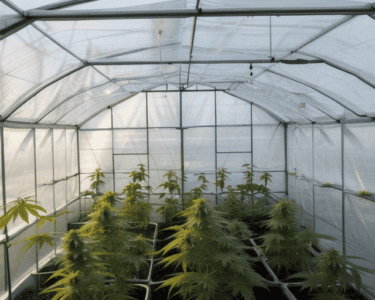
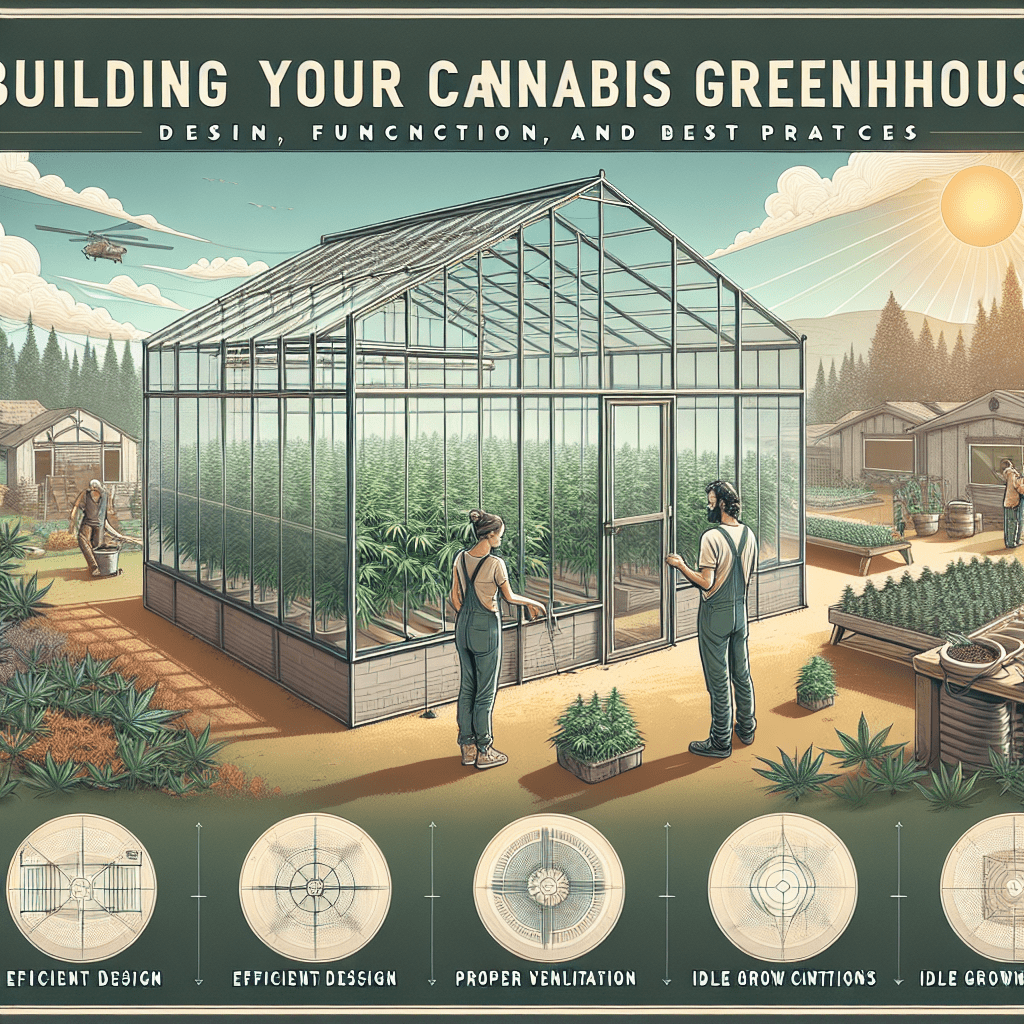
As cannabis becomes increasingly legalized and accepted, both recreational and medicinal growers are looking for efficient ways to cultivate their plants. One of the most effective solutions is to build a cannabis greenhouse. A greenhouse allows growers to create an optimal environment for their cannabis plants, ensuring they thrive while minimizing exposure to pests and disease. In this article, we’ll explore the design, function, and best practices for building your cannabis greenhouse.
Design Considerations
1. Location
The first and foremost consideration when building a cannabis greenhouse is its location. Choose a location that receives ample sunlight—ideally, at least six hours of direct sunlight per day. Proximity to a water source is also important for irrigation. Avoid low-lying areas prone to frost and consider natural wind breaks to protect your greenhouse.
2. Size and Layout
The size of your greenhouse will depend on your cultivation scale and how many plants you plan to grow. A smaller greenhouse might be ideal for personal use, while a larger structure will be necessary for commercial operations. The layout of the greenhouse should allow for easy access to the plants for care and maintenance. A common layout includes rows of plants with sufficient space for walking paths.
3. Structure Materials
The structure of your greenhouse can be built using wood, metal, or a combination of both. The frame should be sturdy enough to withstand inclement weather. The covering material is crucial; polycarbonate panels are popular for their durability and insulation properties. Alternatively, polyethylene covers are more cost-effective but may require more frequent replacement.
4. Ventilation and Climate Control
Proper ventilation is key to preventing heat buildup, humidity issues, and facilitating air circulation. Roof vents, side vents, and exhaust fans can help regulate temperature and humidity. Automatic control systems can be installed to monitor and adjust environmental conditions, ensuring the healthy growth of your cannabis plants.
5. Irrigation System
An efficient irrigation system is fundamental to your greenhouse operation. Options include drip irrigation systems that deliver water directly to the base of your plants or hydroponic systems that use nutrient-rich water. A rainwater collection system can also reduce water costs and is an eco-friendly practice.
Functionality
1. Light Management
Cannabis plants thrive on light, making it essential to manage light exposure effectively. While natural sunlight is best, supplemental grow lights can be beneficial during cloudy days or shorter days in winter. Adjusting the light spectrum to the plant’s growth stage (vegetative vs. flowering) can optimize growth.
2. Pest and Disease Management
Greenhouses naturally provide some protection against pests and diseases, but it is still crucial to implement preventive measures. Integrated Pest Management (IPM) strategies, including biological controls (like beneficial insects), organic pest control methods, and regular monitoring, can help maintain plant health. Consider using screens or nets to keep out unwanted pests.
3. Plant Care and Maintenance
Regular maintenance is essential for a successful cannabis greenhouse operation. This includes watering, nutrient management, pruning, and training plants for better light exposure. Keeping the greenhouse clean and organized will prevent complications from disease and pests.
4. Harvesting and Processing
Planning for harvest is as important as the cultivation phase. Ensure you have space for drying and curing your cannabis. A designated area that maintains the proper humidity and temperature is crucial for preserving the quality of your end product.
Best Practices
1. Research Local Regulations
Before embarking on your greenhouse project, research local laws regarding cannabis cultivation. Compliance with zoning, licensing, and cultivation limits is critical to avoid legal issues.
2. Implement Sustainable Practices
Sustainability should be a priority when building your greenhouse. Utilizing renewable energy sources, like solar panels, collecting rainwater, and employing organic growing practices can minimize your environmental impact.
3. Invest in Quality Supplies
Using high-quality materials and equipment will pay off in the long run. Investing in a reliable irrigation system, high-grade covering materials, and climate control systems will enhance the longevity and efficiency of your greenhouse.
4. Network with Other Growers
Connecting with local growers can provide invaluable insights and foster a sense of community. Attend workshops, join forums, and participate in local events to learn and share experiences.
FAQs
1. What is the ideal size for a cannabis greenhouse?
The ideal size varies based on your cultivation goals. A small personal greenhouse can be as little as 10×12 feet, while commercial growers may require larger spaces of 1000 square feet or more.
2. How much light do cannabis plants need?
Cannabis plants require a minimum of six hours of direct sunlight daily for optimal growth. During flowering, plants benefit from longer light exposure, up to 18 hours.
3. What type of ventilation system is best for a greenhouse?
A combination of roof vents, side vents, and exhaust fans is recommended to promote airflow and regulate temperature. Automated systems can make this even more efficient.
4. How can I prevent pests and diseases in my greenhouse?
Utilize Integrated Pest Management (IPM) techniques, including biological controls, organic pesticides, and preventative measures like screens to keep pests out.
5. Is it necessary to use grow lights in addition to natural sunlight?
While natural sunlight is ideal, supplemental grow lights can be beneficial during low-light seasons or in areas with less than optimal sun exposure.
Building a cannabis greenhouse can be a rewarding venture, offering the ability to cultivate high-quality plants in a controlled environment. By paying attention to design, functionality, and best practices, you can set yourself up for a successful growing season.
[ad_2]