
 By
By [ad_1]
Introduction
The cannabis industry has seen tremendous growth over the past decade, driven by increased legalization and a broader acceptance of its various uses, from medicinal to recreational. However, this rapid growth comes with environmental implications, raising concerns about water consumption, energy use, and pesticide application. As a result, there is a growing need to adopt sustainable practices within the industry to minimize its environmental footprint.
Environmental Impacts of Cannabis Cultivation
Cannabis cultivation can have significant environmental impacts, particularly when conducted without consideration for sustainability. Some of these impacts include:
- Water Use: Cannabis plants require substantial amounts of water, often straining local water supplies.
- Energy Consumption: Indoor cultivation, in particular, can lead to high energy demands for lighting, climate control, and ventilation.
- Pesticide Use: The application of synthetic pesticides can contaminate soil and water, harming local ecosystems.
- Land Use: Expansion of cannabis farms can lead to deforestation and loss of biodiversity.
Sustainable Practices in Cannabis Cultivation
In response to the environmental challenges posed by cannabis cultivation, many growers are implementing sustainable practices. Here are several methods that can help reduce the industry’s ecological footprint:
1. Water Conservation Techniques
Effective water management techniques are critical in cannabis cultivation. Growers are turning to methods such as:
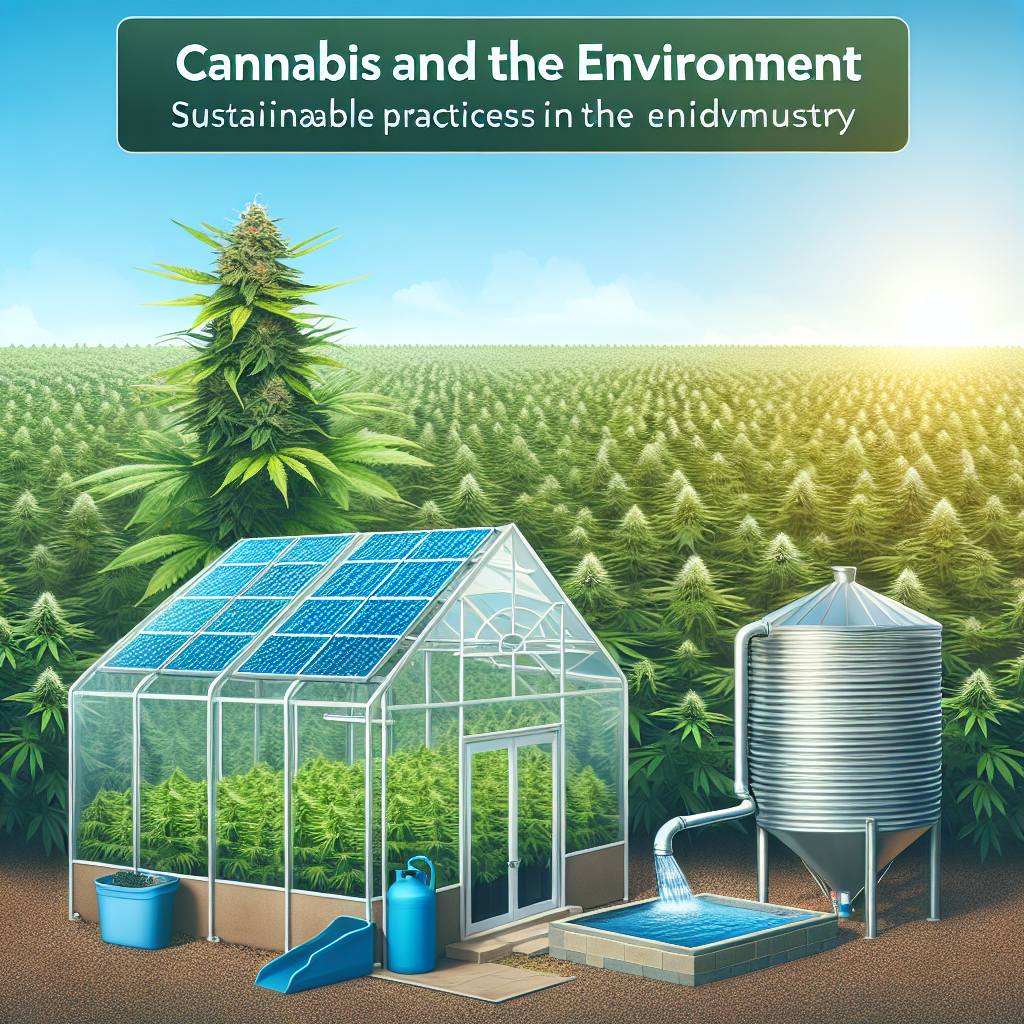
- Drip Irrigation: This method minimizes water loss by allowing water to drip directly to the roots of plants.
- Rainwater Harvesting: Collecting and storing rainwater can provide a sustainable source of irrigation.
- Soil Moisture Sensors: These sensors help determine when plants need watering, reducing waste.
2. Renewable Energy Sources
Switching to renewable energy sources can significantly cut down on the carbon footprint of cannabis cultivation:
- Solar Power: Utilizing solar panels can provide a clean energy source for both indoor and outdoor cultivation.
- Wind Energy: Installing wind turbines can further supplement energy needs sustainably.
3. Organic and Integrated Pest Management
Many cannabis growers are adopting organic farming practices to minimize harm to ecosystems. This includes:
- Natural Pest Control: Rather than synthetic pesticides, growers use beneficial insects and natural repellents.
- Companion Planting: Planting compatible crops together can deter pests and enhance growth.
4. Soil Health Practices
Maintaining healthy soil is crucial for sustainable cultivation. Organic matter, such as compost and cover crops, can improve soil health and fertility:
- Composting: Recycling plant matter can enrich soil and reduce waste.
- Crop Rotation: Changing the type of crop grown in a given area can prevent soil depletion and improve biodiversity.
Regulations and Certifications
As the cannabis industry continues to evolve, regulations and certifications are being developed to encourage sustainable practices. Organizations are emerging to provide certifications for environmentally friendly practices, which can help consumers make informed choices about their cannabis purchases.
Conclusion
The cannabis industry has a profound opportunity to embrace sustainable practices that not only reduce its environmental impact but also promote biodiversity and soil health. By implementing water conservation techniques, utilizing renewable energy sources, practicing organic pest management, and maintaining healthy soil, cannabis growers can create a more environmentally friendly industry. As consumers become increasingly aware of sustainability issues, the demand for responsibly sourced cannabis will continue to rise, pushing the industry toward more eco-conscious practices.
FAQs
1. What are sustainable practices in cannabis cultivation?
Sustainable practices in cannabis cultivation include techniques that reduce water usage, minimize energy consumption, avoid synthetic pesticides, and maintain soil health.
2. How does cannabis cultivation impact the environment?
Cannabis cultivation can lead to significant environmental impacts, including high water consumption, energy use from indoor growing facilities, pesticide runoff, and habitat disruption.
3. Why is water conservation important for cannabis growers?
Water conservation is crucial as cannabis plants require a significant amount of water, and overuse can lead to strain on local water supplies, particularly in areas with limited resources.
4. What role do certifications play in sustainable cannabis practices?
Certifications help consumers identify products that adhere to sustainable practices, encouraging accountability among growers and fostering a market for environmentally friendly cannabis.
[ad_2]