 By
By [ad_1]
In recent years, the global cannabis industry has witnessed an explosive growth spurt, fueled by increasing legalization and acceptance of cannabis for both medicinal and recreational use. Amidst this growth, innovative agricultural methods have emerged to optimize cannabis cultivation, with greenhouses at the forefront of this revolution. By seamlessly blending the benefits of controlled indoor cultivation with the natural advantages of outdoor growing, greenhouses have become a game-changer for cannabis growers around the world.
The Advantages of Greenhouse Cultivation
1. Controlled Environment
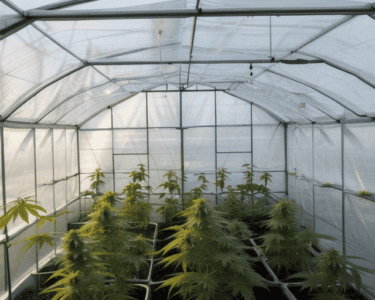
The primary advantage of using greenhouses is the capacity to control the growth environment. Temperature, humidity, light, and CO2 levels can all be finely tuned to match the specific needs of cannabis plants. Unlike traditional outdoor growing, where plants are subject to unpredictable weather, greenhouses can maintain optimal conditions year-round, allowing for consistent growth and higher yields. By leveraging technologies like automated ventilation systems and climate controls, growers can ensure that their plants thrive even in less-than-ideal conditions.
2. Enhanced Photosynthesis
The natural sunlight that floods a greenhouse plays a vital role in the cannabis growth cycle. Sunlight provides a full spectrum of light that is crucial for photosynthesis, the process by which plants convert light energy into chemical energy. This results in healthier plants with robust terpene and cannabinoid profiles. Many advanced greenhouses even use supplemental LED lighting to amplify the sunlight available during shorter days, enhancing photosynthesis and pushing plants towards their full potential.
3. Resource Efficiency
Greenhouses are designed to be resource-efficient. They enable growers to use rainwater harvesting systems and sustainable irrigation practices, significantly reducing water waste associated with traditional farming. Additionally, many greenhouses are built with materials that provide excellent insulation and energy efficiency. This minimizes the need for excessive heating during colder months, contributing to a more sustainable growing operation.
4. Pest and Disease Management
Pest and disease management is one of the biggest challenges faced by outdoor cannabis cultivators. In a greenhouse setting, the controlled environment can effectively mitigate pest infestations. By using integrated pest management (IPM) techniques, such as introducing beneficial insects or applying organic treatments, growers can protect their crops while minimizing pesticide use. The structured environment also reduces the likelihood of diseases that often proliferate in outdoors conditions, enhancing plant health and growth.
5. Extended Growing Seasons
Greenhouses extend the growing season dramatically. In many climates, outdoor cannabis cultivation is limited to specific seasons due to temperature constraints. Greenhouses allow growers to start plants earlier in the spring and keep them growing later into the fall. Some operations even utilize heated greenhouses during winter months, creating a 365-day growing cycle. This extended production window can significantly increase overall yields and profits.
Types of Greenhouses for Cannabis Cultivation
Greenhouses come in various designs, each with unique benefits tailored to different growing techniques:
-
Freestanding Greenhouses: These structures provide ample space for large-scale cultivation. They allow for easy access and can be customized with additional features like ventilation and lighting systems.
-
Hoop Houses: Often used by smaller-scale growers, hoop houses are economical and easy to assemble. They provide basic protection against the elements and are ideal for seasonal crops.
-
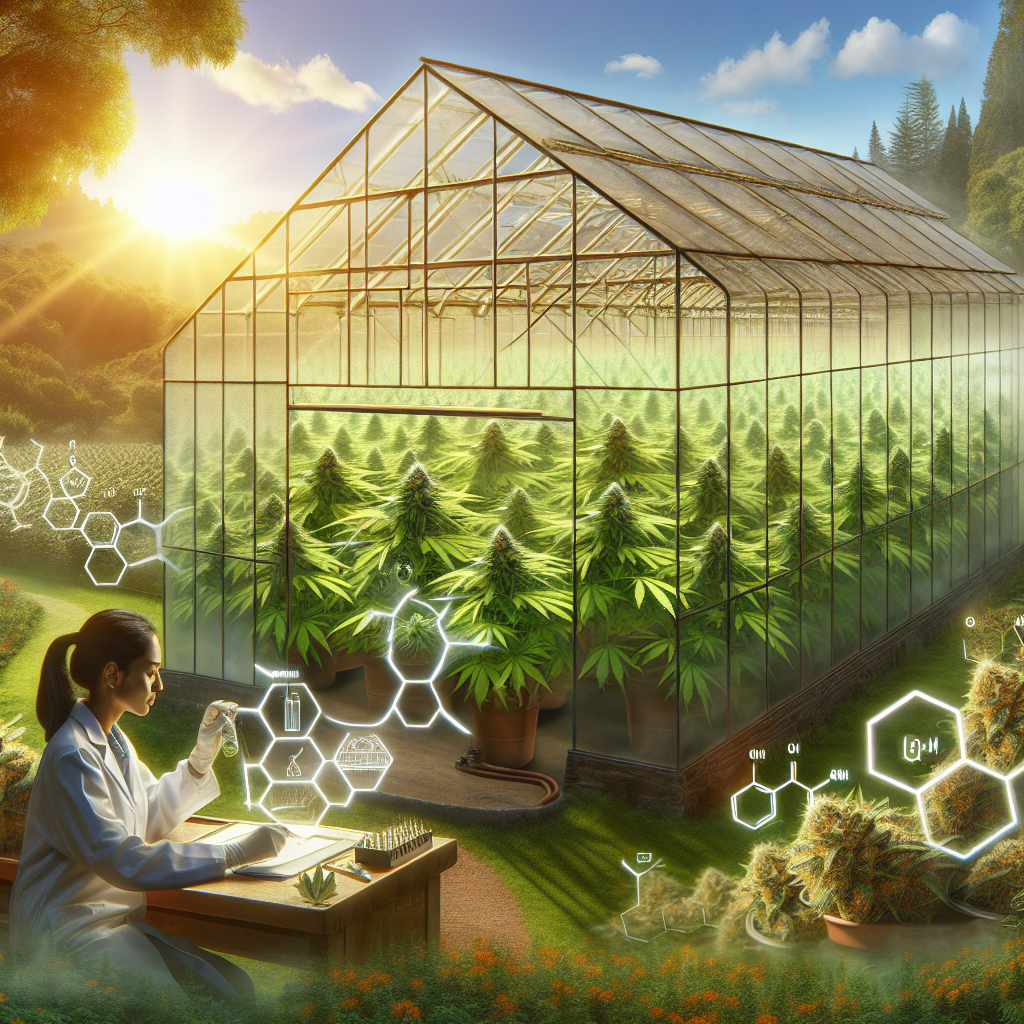
Glass Greenhouses: High-end glass greenhouses maximize natural light and provide a premium growing environment. They are typically more expensive but are great for growers seeking top-tier product quality.
- Mobile Greenhouses: Designed to move, mobile greenhouses can follow the sun’s path or be relocated to avoid pests or harsh weather. They are perfect for those wanting flexibility in their operations.
Sustainability and Future Growth
As concerns about environmental impact mount, greenhouses represent a more sustainable approach to cannabis cultivation. Employing eco-friendly practices, such as using organic growing methods, implementing renewable energy sources, and optimizing resource use, not only aligns with consumer preferences but also contributes to the health of the planet.
The technology surrounding greenhouse cultivation is evolving rapidly. Innovations such as automated growing systems, vertical farming integration, and data analytics for optimizing plant health are increasingly being incorporated into greenhouse designs. As these advancements continue to take shape, they will further revolutionize the cannabis industry.
FAQs
Q: How do greenhouses differ from indoor and outdoor growing?
A: Greenhouses provide a hybrid environment: they utilize natural sunlight while allowing for environmental controls like temperature and humidity that are typically found in indoor growing.
Q: Can greenhouses be used for all stages of cannabis growth?
A: Yes, greenhouses can be used for all growth stages, providing ideal conditions for germination, growth, flowering, and harvesting.
Q: Are greenhouses more expensive to operate than traditional outdoor farms?
A: While initial setup costs are higher, the efficiency and year-round growing potential of greenhouses can lead to better returns on investment over time due to higher yields and less crop loss.
Q: What are the best materials for greenhouse construction?
A: Materials such as polycarbonate panels and reinforced glass are popular choices due to their durability and transparency, providing excellent insulation and light transmission.
Q: How do I determine the right greenhouse for my cannabis operation?
A: Consider your cultivation scale, budget, and specific growing requirements. Look at local climate conditions and available space before making a decision.
In summary, greenhouses are revolutionizing the cannabis cultivation landscape, offering solutions that maximize growth potential while promoting sustainability. As this industry continues to develop, harnessing the power of nature through innovative approaches like greenhouse cultivation will undoubtedly lead to significant advancements in cannabis production.
[ad_2]