
 By
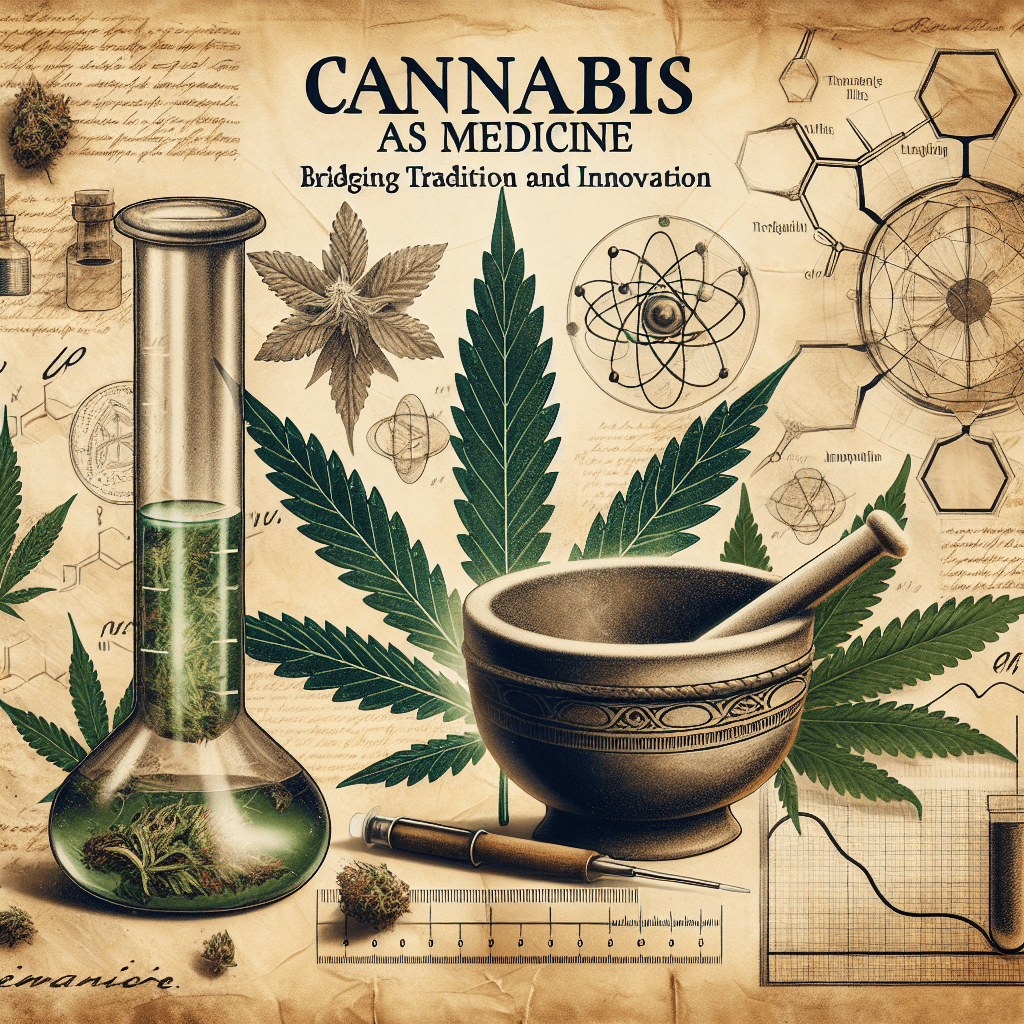
By Cannabis has been utilized for medicinal purposes for centuries, with its therapeutic properties documented in various cultures worldwide. In the United States, the journey of cannabis as medicine has been marked by a complex interplay between traditional practices and modern scientific inquiry, leading to significant developments in both state and federal policies.
Historical Context and Traditional Use
The use of cannabis for medicinal purposes in the U.S. dates back to the 19th century. Physicians prescribed cannabis extracts to treat a range of ailments, including pain, nausea, and muscle spasms. However, in the early 20th century, cannabis faced increasing regulation and stigmatization, culminating in its classification as a Schedule I substance under the Controlled Substances Act of 1970, which deemed it to have a high potential for abuse and no accepted medical use.
State-Level Legalization and Medical Use
Despite federal restrictions, a growing body of evidence and changing public attitudes have led to the legalization of medical cannabis in numerous states. As of early 2024, 47 states, the District of Columbia, and three territories permit the use of cannabis for medical purposes. Thirty-eight states, the District of Columbia, and three territories have comprehensive medical-use programs, while 14 states and two territories have medical-only programs. Additionally, nine states have medical programs that allow the use of CBD/low-THC products for qualifying medical conditions. (cdc.gov)
This state-level legalization has been driven by patient demand and emerging research suggesting potential therapeutic benefits of cannabis. For instance, a study published in the International Journal of MS Care in 2023 found that patients with multiple sclerosis experienced significant symptom improvement after initiating medical cannabis, including alleviation of pain (72% of patients) and spasticity (48% of patients). Moreover, there was a notable reduction in concomitant opioid use among these patients. (cannabis-med.org)
Federal Developments and Rescheduling Efforts
At the federal level, cannabis remains classified as a Schedule I substance, which has historically hindered comprehensive research and medical use. However, recent developments indicate a shift toward recognizing the medical potential of cannabis. In August 2023, the U.S. Department of Health and Human Services (HHS) recommended reclassifying cannabis from Schedule I to Schedule III under the Controlled Substances Act. This recommendation was based on a scientific review indicating that cannabis has medical uses and a lower potential for abuse compared to other Schedule I substances. (americanbar.org)
Following this recommendation, in May 2024, the U.S. Justice Department proposed easing restrictions on marijuana by reclassifying it to Schedule III. This change aligns with findings from the U.S. Food and Drug Administration, indicating credible scientific support for marijuana’s use in treating chronic pain, anorexia related to a medical condition, and nausea and vomiting. If enacted, this proposal could open the door to more research on marijuana’s medicinal benefits and potentially lead to lighter criminal penalties. (reuters.com)
Challenges and Considerations
Despite these advancements, challenges remain in integrating cannabis into mainstream medical practice. The federal classification of cannabis continues to impede large-scale clinical trials and comprehensive research. Additionally, the variability in state laws creates a fragmented landscape, making it difficult for patients and healthcare providers to navigate the legal and medical complexities associated with medical cannabis.
Moreover, concerns about the potential psychiatric effects of cannabis use have been raised. A review published in the New England Journal of Medicine in December 2023 highlighted a rise in cannabis-related psychiatric conditions, emphasizing the need for healthcare providers to screen for and treat patients experiencing symptoms of cannabis use disorder. The review found that nearly one in five Americans aged 12 and older used cannabis in 2021, with more than 16 million meeting the criteria for cannabis use disorder. (medschool.umaryland.edu)
The Path Forward
Bridging the gap between traditional use and modern innovation in cannabis medicine requires a multifaceted approach. Federal rescheduling is a crucial step toward facilitating research and standardizing medical applications. Simultaneously, state programs must continue to evolve, ensuring patient access to safe and effective treatments. Ongoing education for healthcare providers is essential to integrate cannabis into patient care responsibly. Furthermore, public health initiatives should address the potential risks associated with cannabis use, promoting informed decision-making among consumers.
In conclusion, the journey of cannabis as medicine in the United States reflects a dynamic interplay between tradition and innovation. While significant progress has been made, continued efforts are necessary to fully realize the therapeutic potential of cannabis, ensuring it is used safely and effectively within the healthcare system.