 By
By The legal landscape of cannabis rights in the United States has undergone significant transformations in recent years, reflecting a complex interplay between federal and state policies, public opinion, and ongoing legislative efforts. As of July 2025, navigating this evolving terrain requires an understanding of the current legal status, recent developments, and the broader implications for individuals and businesses.
Federal Legal Status
At the federal level, cannabis remains classified as a Schedule I substance under the Controlled Substances Act, indicating a high potential for abuse and no accepted medical use. This classification has historically impeded research and created legal challenges for states pursuing legalization. However, in August 2023, the Department of Health and Human Services (HHS) recommended that the Drug Enforcement Administration (DEA) reclassify cannabis to a Schedule III substance, acknowledging its medical applications and reducing certain legal penalties. As of now, the DEA has yet to act on this recommendation, leaving the federal status of cannabis unchanged. (norml.org)
State-Level Legalization
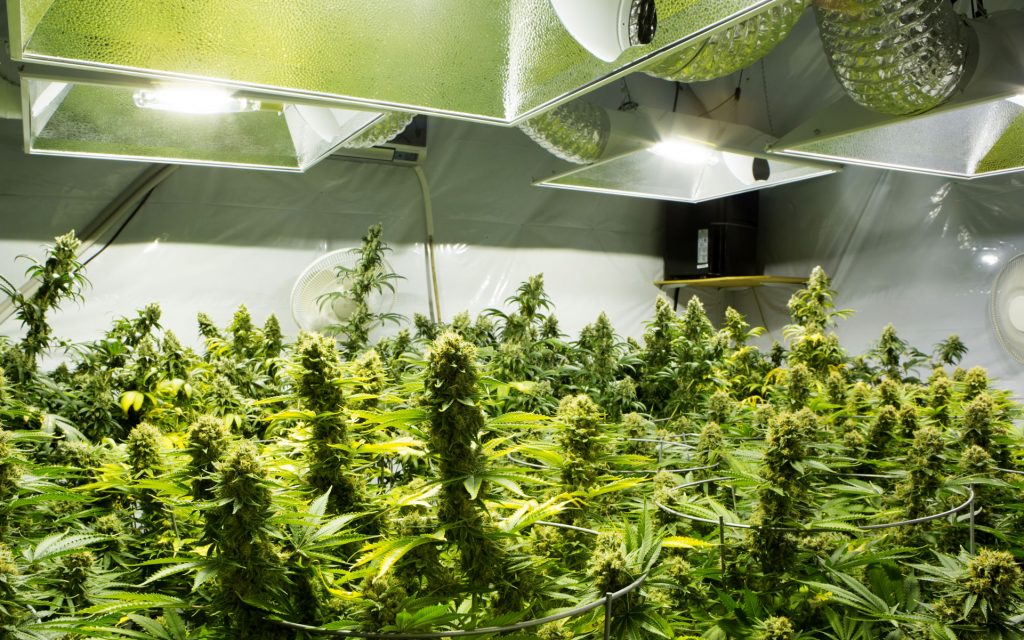
Despite federal restrictions, numerous states have enacted legislation to legalize cannabis for medical and recreational use. As of July 2025, 24 states and the District of Columbia have legalized recreational cannabis, while 38 states have medical marijuana programs. Notably, in November 2023, Ohio became the 24th state to legalize adult-use cannabis, allowing adults aged 21 and over to possess and consume marijuana. The law also permits home cultivation of up to six plants per person, with a maximum of 12 plants per household. Tax revenue from cannabis sales is allocated to social equity programs, local communities, education, and addiction treatment. (en.wikipedia.org)
Similarly, Minnesota legalized recreational cannabis in August 2023, permitting adults to purchase and possess up to 2 pounds of marijuana flower for private use. Home cultivation is allowed, with individuals permitted to grow up to eight plants, four of which can be flowering at any given time. (en.wikipedia.org)
Recent Legislative Developments
In October 2023, bipartisan lawmakers in the U.S. House of Representatives reintroduced the States Reform Act, aiming to remove cannabis from the Controlled Substances Act and regulate it similarly to alcohol. The bill proposes a federal excise tax on cannabis products, with revenue directed toward law enforcement, small businesses, and veterans’ mental health initiatives. While the bill has garnered bipartisan support, its passage remains uncertain amid ongoing political debates. (forbes.com)
Challenges and Opposition
Despite the momentum toward legalization, opposition persists. Anti-legalization groups have intensified efforts to halt the expansion of cannabis legalization, employing legal, political, and social strategies to influence policymakers and public opinion. In recent elections, several states voted against legalization measures, indicating that the debate over cannabis policy remains contentious. (reuters.com)
Implications for Individuals and Businesses
For individuals, understanding the legal status of cannabis in their state is crucial, as laws vary significantly regarding possession limits, cultivation rights, and consumption regulations. Engaging in activities that are legal in one state but prohibited federally can lead to legal complications.
For businesses, the evolving legal framework presents both opportunities and challenges. Entrepreneurs entering the cannabis industry must navigate a complex regulatory environment, including obtaining licenses, adhering to state-specific regulations, and managing financial transactions, which may be complicated by federal banking restrictions. Additionally, businesses must stay informed about changing laws to ensure compliance and mitigate legal risks.
Conclusion
The legal landscape of cannabis rights in the United States is dynamic and multifaceted, characterized by significant state-level advancements and ongoing federal deliberations. As public opinion continues to shift and legislative efforts progress, staying informed about current laws and potential changes is essential for individuals and businesses involved in or affected by the cannabis industry.
Recent Developments in U.S. Cannabis Legalization: