
 By
By Mastering the Indoor Environment for Optimal Growth
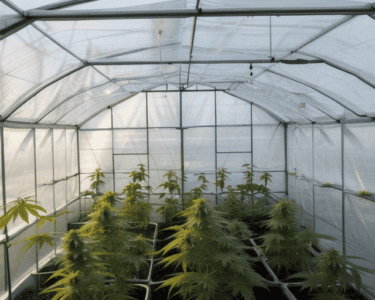
The transition from seed to harvest is a complex biological process that requires meticulous attention to environmental control. For the modern cultivator, success is not merely about providing water and light; it is about engineering a stable ecosystem where every variable is optimized for plant health and yield. Indoor cultivation offers the distinct advantage of total environmental control, allowing growers to manipulate temperature, humidity, air circulation, and light intensity to suit the specific needs of their genetics. This level of precision is what separates amateur attempts from professional-grade production.
Understanding the baseline requirements for cannabis cultivation is the first step toward success. During the vegetative stage, plants prioritize the development of roots and foliage. In this phase, maintaining a temperature between seventy and eighty-five degrees Fahrenheit creates an ideal metabolic rate. Humidity levels should be kept relatively high, typically between forty and sixty percent, to facilitate rapid transpiration and nutrient uptake. However, as the plant matures and enters the flowering stage, the environmental parameters must shift. Lower humidity, ideally between forty and forty percent, becomes critical to prevent mold and bud rot, which are significant threats during the dense flower development phase.
Lighting Strategies and Spectrum Management
Light is the primary driver of photosynthesis and thus the most critical input in indoor growing. The evolution of lighting technology has dramatically improved efficiency and yield potential. High-Intensity Discharge (HID) lamps, such as Metal Halide and High-Pressure Sodium fixtures, have long been the standard for commercial operations. Metal Halide lamps provide a cooler, blue-spectrum light that promotes vigorous vegetative growth, while High-Pressure Sodium lamps emit a warmer, red-spectrum light that encourages flowering and resin production.
In recent years, Light Emitting Diode (LED) technology has gained significant traction among cultivators. LEDs offer superior energy efficiency and produce less heat than HID lamps, reducing the strain on cooling systems. Modern full-spectrum LEDs allow growers to adjust the light spectrum dynamically. For instance, increasing blue light ratios during the vegetative stage can result in tighter node spacing and stronger stems. Conversely, boosting red and far-red spectrums during flowering can enhance bud density and terpene production. Proper light placement is equally important. Plants should be positioned at an optimal distance to prevent light burn while ensuring that the lower canopy receives adequate illumination, often requiring defoliation or training techniques to maximize light penetration.
Nutrient Delivery and Soil Health
A robust nutritional program is essential for supporting the heavy metabolic demands of a growing cannabis plant. Nutrients are generally categorized into macronutrients and micronutrients. The primary macronutrients are nitrogen, phosphorus, and potassium, commonly referred to as NPK. Nitrogen is crucial during the vegetative phase for chlorophyll production and leaf growth. As the plant transitions to flowering, nitrogen requirements drop significantly, while phosphorus and potassium become more vital for flower development and overall plant resilience.
Soil health plays a pivotal role in nutrient availability. Living soil systems, which incorporate beneficial microbes, fungi, and organic matter, can create a self-sustaining ecosystem that reduces the need for synthetic fertilizers. These biological components help break down organic matter into forms that plants can absorb, while also protecting roots from pathogens. For growers using hydroponic or soilless mediums, precise pH management is even more critical. The pH level of the nutrient solution must be maintained between six and seven for soil and between five and six for hydroponics to ensure optimal nutrient uptake. Deviations from this range can lead to nutrient lockout, where essential elements become chemically unavailable to the plant despite their presence in the medium.
Integrated Pest Management and Disease Prevention
Indoor environments, while controlled, are not immune to pest infestations and disease outbreaks. The closed nature of grow rooms can allow pests like spider mites, thrips, and fungus gnats to proliferate rapidly if left unchecked. An Integrated Pest Management (IPM) strategy is the most effective approach to maintaining plant health. IPM emphasizes prevention through sanitation, environmental control, and biological controls before resorting to chemical interventions.
Regular monitoring is the cornerstone of effective IPM. Inspecting plants daily for early signs of stress or infestation allows growers to act quickly. Introducing beneficial insects, such as predatory mites or ladybugs, can provide natural control for many common pests. These biological agents prey on harmful insects without leaving residue on the final product. Additionally, maintaining proper air circulation and avoiding overwatering can prevent fungal issues like powdery mildew and botrytis. Quarantining new plants or clones for at least two weeks before introducing them to the main grow room is another critical step to prevent the introduction of pests or diseases into an established ecosystem.
Harvest Timing and Post-Harvest Processing
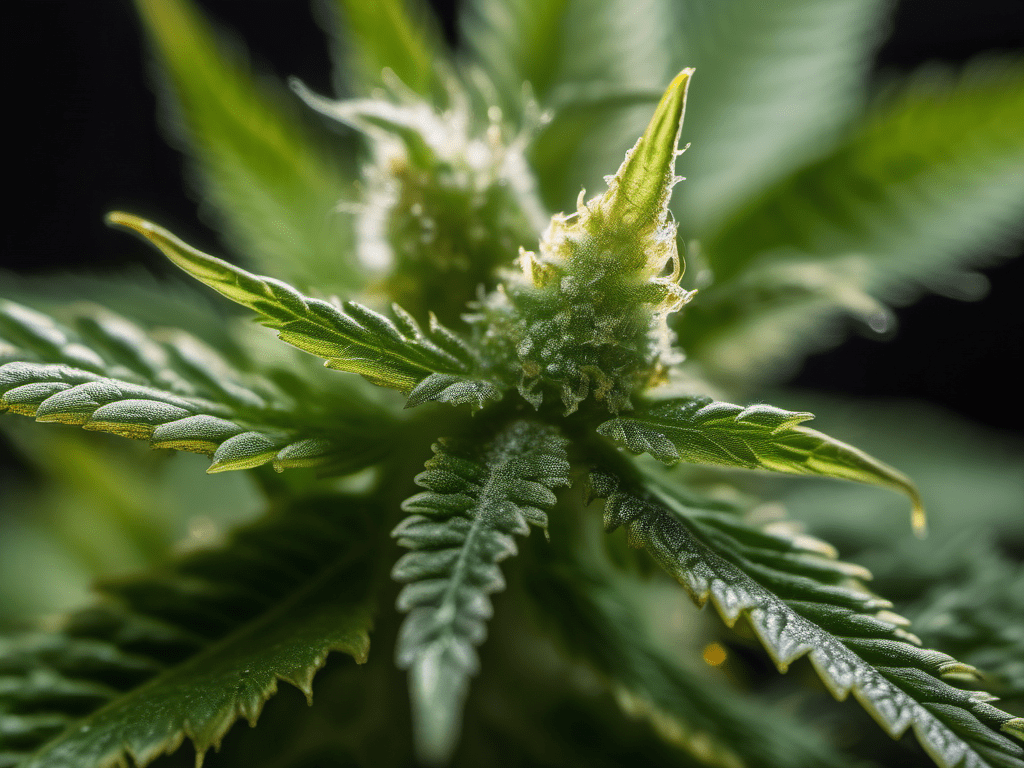
Determining the exact moment to harvest is both a science and an art. Waiting too long can result in degraded potency and flavor, while harvesting too early may yield underdeveloped flowers. Cultivators typically assess trichome maturity using a jeweler’s loupe or a digital microscope. Clear trichomes indicate immaturity, while cloudy or milky trichomes suggest peak THC production.