 By
By The Foundation of a Successful Indoor Grow
Mastering indoor cannabis cultivation requires a shift in mindset from traditional agriculture to precision science. Unlike outdoor grows that rely on the sun and seasonal rhythms, indoor environments demand strict control over every variable. The journey begins long before a seed touches soil or a clone enters water. It starts with selecting the right space. A dedicated grow room, whether it is a closet, a spare bedroom, or a converted garage, must be sealed against light leaks and pests. Even a pinhole of light during the dark period of the vegetative or flowering stages can stress plants, causing them to revert to hermaphroditism or produce seeds. Proper ventilation is equally critical. Plants breathe in carbon dioxide and exhale oxygen, but they also generate significant heat and humidity. An exhaust fan paired with carbon filters ensures stale air is removed and fresh air is introduced, while also neutralizing the strong odors that accompany mature flowering plants.
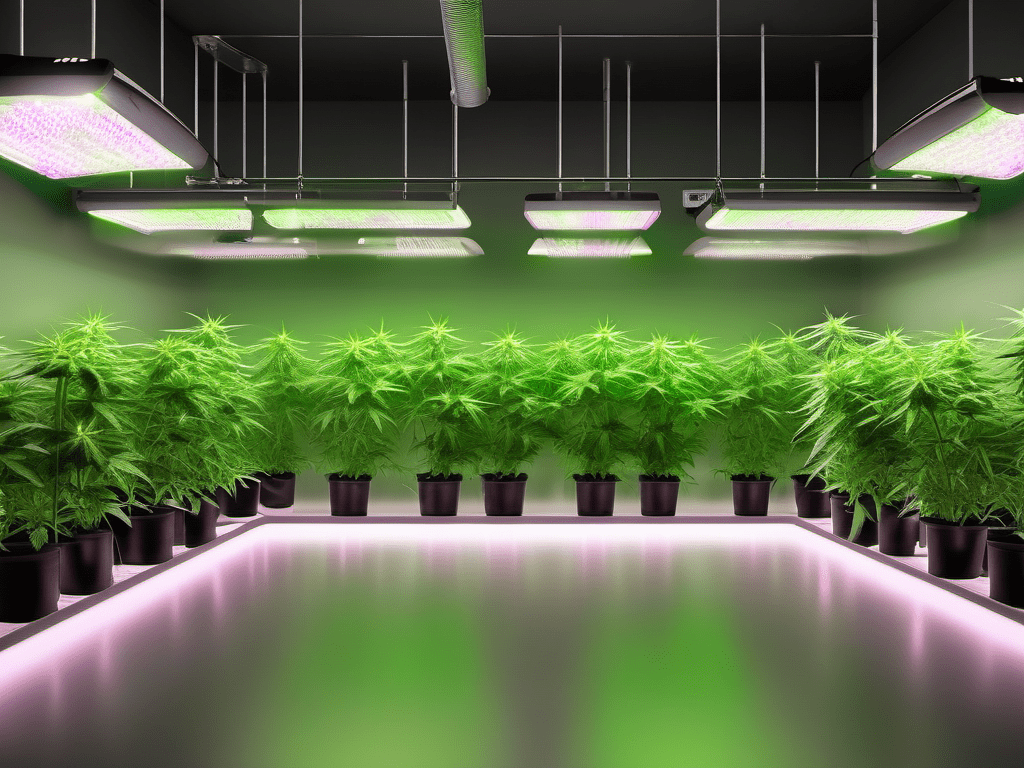
Lighting is the engine of photosynthesis and the most significant investment in any indoor setup. While high-pressure sodium (HPS) lights were once the industry standard, modern growers have largely transitioned to light-emitting diode (LED) systems. LEDs offer superior energy efficiency, producing less heat than HPS bulbs while delivering a full spectrum of light that mimics natural sunlight. This spectral range includes blue light, which promotes vegetative growth and compact structure, and red light, which triggers flowering and resin production. When choosing a light, calculate the square footage of your grow space and match it with the recommended wattage. For a four-by-four-foot tent, a 600-watt full-spectrum LED is often sufficient to support robust plant growth from seed to harvest without overwhelming the environment with excess heat.
Climate Control and Environmental Harmony
Creating an ideal microclimate involves balancing temperature, humidity, and air circulation. Cannabis plants thrive in a temperature range between seventy and eighty-five degrees Fahrenheit during the day. Temperatures that exceed this range can cause heat stress, leading to stunted growth and reduced potency. Conversely, temperatures that drop too low can slow down metabolic processes. Humidity levels must also be managed carefully throughout the plant’s lifecycle. During the vegetative stage, relative humidity should be maintained between forty and seventy percent. As the plant enters flowering, the risk of mold and mildew increases, particularly in dense buds. Therefore, growers should gradually lower humidity to thirty to forty percent during the final weeks of flowering. This drying effect not only prevents botrytis but also enhances the curing process, resulting in a smoother smoke.
Air movement is another often-overlooked aspect of climate control. Standing air creates microclimates where pathogens can thrive. Oscillating fans placed strategically within the grow space ensure that air circulates around the canopy. This constant movement strengthens plant stems by simulating natural wind, making them more resilient to heavy buds. It also helps to distribute nutrients and gases evenly, preventing hot spots near lights and cold spots in corners. However, fans should not blow directly on the plants, as this can cause wind burn and stress. Instead, aim them at walls or ceilings to create a gentle breeze that keeps the air moving throughout the entire room.
Substrate Selection and Nutrient Management
The choice of growing medium sets the stage for root health and nutrient uptake. Soil is the most forgiving medium for beginners, offering a buffer against pH swings and over-fertilization. High-quality, living soil contains beneficial microbes that aid in nutrient cycling, creating a self-sustaining ecosystem. For those seeking faster results and larger yields, hydroponic systems such as deep water culture (DWC) or drip irrigation provide direct access to nutrients. In hydroponics, the roots are suspended in a nutrient-rich water solution, allowing for rapid absorption. However, this method offers little margin for error. Growers must monitor pH and electrical conductivity (EC) levels daily to prevent nutrient lockout, which occurs when the pH is outside the optimal range, typically between six point zero and seven point zero for soil and five point five to six point zero for hydro.
Nutrient management is not just about providing nitrogen, phosphorus, and potassium, known as N-P-K. These macronutrients are essential, but micronutrients like calcium, magnesium, and iron are equally vital. Deficiencies in micronutrients can manifest as yellowing leaves, brown spots, or distorted growth. A comprehensive feeding schedule should adapt to the plant’s developmental stage. Young plants require less fertilizer, focusing on nitrogen for leafy growth. As flowering begins, the demand for phosphorus and potassium increases to support bud development. Many growers prefer using organic nutrients derived from fish emulsion, bat guano, or kelp. These sources release nutrients slowly, reducing the risk of burn and promoting a cleaner final product. Regardless of the source, consistency is key. Sudden changes in nutrient concentration can shock the plant, leading to stress and reduced yields.
Training Techniques for Maximum Yield
To maximize the potential of every square inch of grow space, growers employ various training techniques to manage canopy height and expose more bud sites to light. Low Stress Training (LST) involves gently bending and tying down branches to create a flat, even canopy. This technique is particularly effective in small spaces and can be performed throughout the vegetative and early flowering stages.