

 By
By [ad_1]
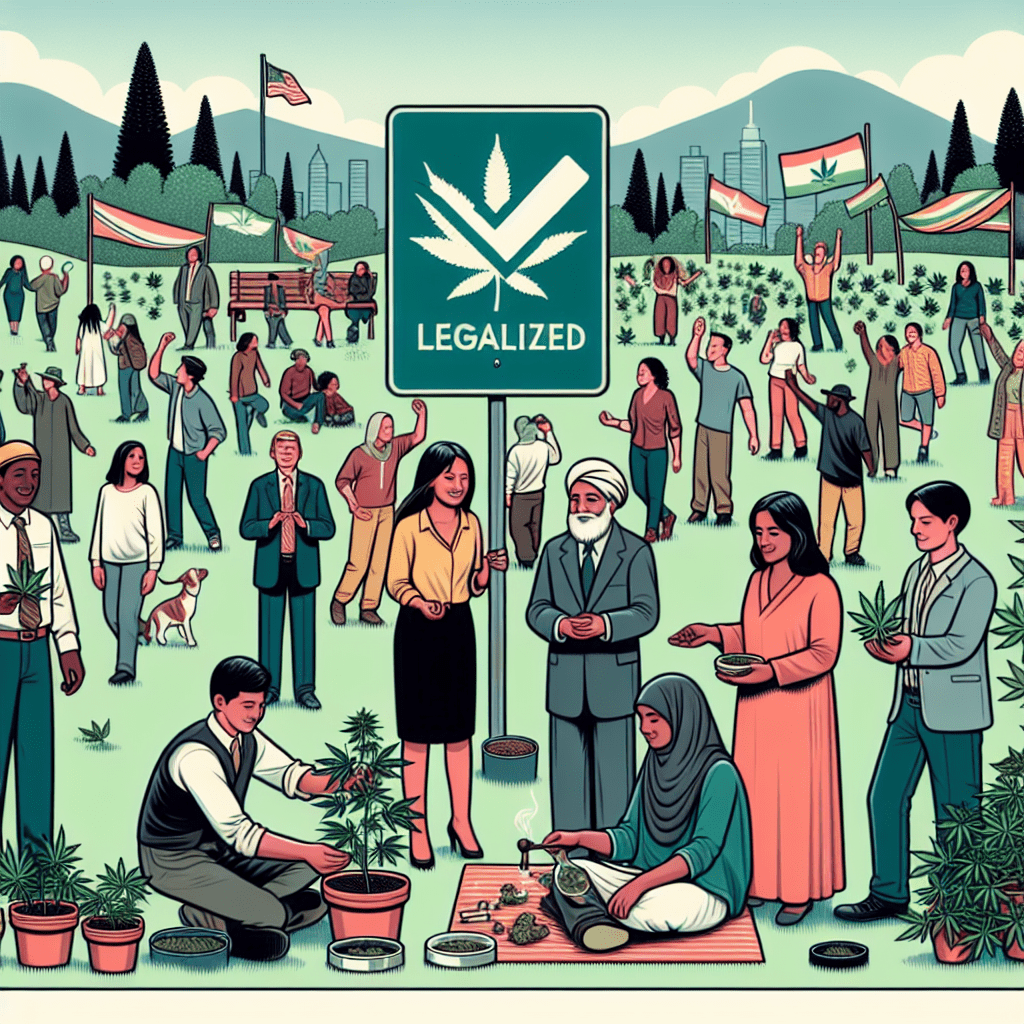
Cannabis culture has undergone a significant transformation in recent years, particularly with the wave of legalization sweeping across various countries and states. This article aims to explore the multifaceted impact of cannabis legalization on society, examining social, economic, and health-related aspects.
The Evolution of Cannabis Legalization
The history of cannabis use dates back thousands of years. However, the 20th century marked a shift, as countries began to criminalize its use. Fast forward to the 21st century, and we are witnessing a notable shift in attitudes towards cannabis. As of 2023, recreational cannabis is legal in several regions, including Canada and numerous states in the United States, while medicinal use has gained acceptance worldwide.
This trend represents not just a change in law but a transformation in societal norms and values surrounding cannabis. Increased awareness and education about the plant and its uses have contributed to this shift.
Social Impact of Legalization
One of the most profound aspects of cannabis legalization is its effect on social dynamics. Previously stigmatized, cannabis consumption is becoming more normalized, fostering open discussions about its benefits and risks.
- Reduction in Stigma: Legalization has led to a reduction in the stigma associated with cannabis use, creating a more accepting environment for users. Individuals no longer feel the need to hide their consumption, allowing for more honest conversations about responsible use.
- Community Engagement: Legal dispensaries often engage with their communities, contributing through local events, sponsorships, and charitable endeavors. This engagement fosters a sense of community that often extends beyond cannabis.
- Social Justice: Legalization has prompted discussions about social justice, especially concerning the disproportionate impact of drug laws on marginalized communities. Many legalization movements advocate for expungement of criminal records related to cannabis offenses, addressing past injustices.
Economic Opportunities
The legalization of cannabis has also spawned significant economic opportunities. According to industry reports, the global cannabis market is projected to surpass billions of dollars in the coming years. This growth comes with various economic benefits:
- Job Creation: The cannabis industry is a new sector of employment, creating jobs in cultivation, sales, distribution, and related fields. This influx of jobs can have a positive impact on local economies, particularly in areas that have faced economic downturns.
- Tax Revenue: Legalization also allows governments to collect tax revenues from cannabis sales, which can be reinvested in public services such as education, healthcare, and infrastructure. States like Colorado have reported significant tax revenue since legalization.
- Tourism Growth: Cannabis tourism is becoming a burgeoning industry in states with legal cannabis. Tourists often visit legal markets, contributing to local economies through spending on accommodation, food, and entertainment.
Health Considerations
While cannabis offers potential therapeutic benefits, such as pain management and anxiety relief, its legalization raises various health-related concerns. Public health experts stress the importance of prioritizing education and research to mitigate risks associated with cannabis use.
- Education and Awareness: Legalization presents the opportunity to educate the public about responsible use and potential risks. Understanding dosage, strains, and consumption methods can help users make informed decisions.
- Medical Research: Legalizing cannabis facilitates more comprehensive research into its health benefits and risks. This research can inform medical professionals and patients about best practices and possible contraindications.
- Public Health Campaigns: With increased access to cannabis, public health campaigns can address issues like underage consumption and impaired driving, ensuring safety within communities.
Conclusion
Cannabis culture has evolved significantly, with legalization bringing about a myriad of social, economic, and health impacts. As society continues to navigate this change, it is essential to foster informed discussions, ensure responsible use, and address the social inequities that have accompanied the history of cannabis prohibition.
Moving forward, the focus should remain on balancing the cultural acceptance of cannabis with a commitment to social justice, education, and public health. By doing so, we can harness the potential benefits of legalization while minimizing its drawbacks, paving the way for a more enlightened understanding of cannabis in society.
FAQs
1. What are the main benefits of cannabis legalization?
The main benefits of cannabis legalization include reduced stigma, job creation, increased tax revenue, and potential health benefits through regulated use.
2. How has cannabis legalization affected crime rates?
Studies have shown that legalization may lead to a reduction in certain drug-related crimes, although the overall impact on crime rates can vary by region.
3. Is cannabis safe for everyone to use?
While many people can use cannabis safely, it may not be suitable for everyone. Factors such as age, pre-existing health conditions, and individual tolerance should be considered.
4. How does cannabis legalization impact youth?
Concerns about youth access and use have been raised with legalization. It emphasizes the importance of education and prevention strategies to protect young people.
5. What role does taxation play in cannabis legalization?
Taxation on cannabis sales provides significant revenue for governments, which can be reinvested in public services, education, and community programs.
[ad_2]