

 By
By [ad_1]
In an age where the environment is increasingly under threat, embracing green living is not just a trend—it’s a lifestyle choice that benefits both our planet and our well-being. The connection between our health and the health of the planet is profound, as what we consume, the products we use, and the energy we consume impact our physical and mental states. Embracing green living fosters a more balanced mind and body by promoting healthier choices and reducing environmental stressors.
The Physical Benefits of Green Living
One of the most tangible ways green living contributes to physical health is through improved diet. The practice of consuming organic, locally-sourced foods not only supports sustainability but also enhances nutritional value. Organic produce is often free of harmful pesticides and chemicals, making it a healthier choice for the body. Furthermore, a diet rich in fresh fruits, vegetables, whole grains, and plant-based proteins can reduce the risk of chronic diseases such as heart disease, diabetes, and certain cancers.
Moreover, reducing consumption of processed foods—often laden with additives and preservatives—can lead to improved digestion and energy levels. By choosing to embrace a green lifestyle, individuals often find themselves eating more whole foods that align with a nutritional philosophy, ultimately fueling both the body and mind.
The Psychological Impact of Going Green
Green living extends beyond diet; it influences mental health as well. Engaging in eco-friendly practices can instill a sense of purpose and accomplishment. When individuals participate in activities like gardening, recycling, or supporting local environmental initiatives, they cultivate a connection with nature. This connection is essential for mental well-being, fostering a sense of community and belonging.
Studies have shown that time spent in nature can significantly reduce stress levels, anxiety, and depression. Nature provides a calming environment, and experiences like hiking, walking in parks, or simply spending time outdoors can enhance mood and cognitive function. By integrating more nature into our lives through green living, we can create a buffer against the stresses of modern life.
Creating a Holistic Environment
Our home environment plays a crucial role in our overall health. Green living promotes the use of non-toxic materials, which can significantly improve indoor air quality. Many conventional household products contain chemicals that can contribute to respiratory issues, headaches, and allergies. By choosing green cleaning products and sustainable materials for home renovations, we create living spaces that support our well-being.
Additionally, incorporating plants into our living spaces can have multiple benefits. Houseplants not only enhance decor but also purify the air, boost productivity, and promote relaxation. The presence of greenery in our homes fosters a serene atmosphere, which positively impacts mental health.
Physical Activity and the Environment
Adopting a green lifestyle often encourages an active, outdoor-focused life. Whether participating in community clean-up events, biking instead of driving, or engaging in outdoor sports, these activities promote physical health. Regular physical activity is vital for maintaining a healthy weight, enhancing cardiovascular health, and reducing the risk of mental health disorders.
Furthermore, the act of moving through natural spaces has unique psychological benefits. Engaging with the environment while exercising leads to heightened feelings of well-being and can foster mindfulness, allowing individuals to disconnect from daily stressors and technology.
Mindfulness and Sustainability
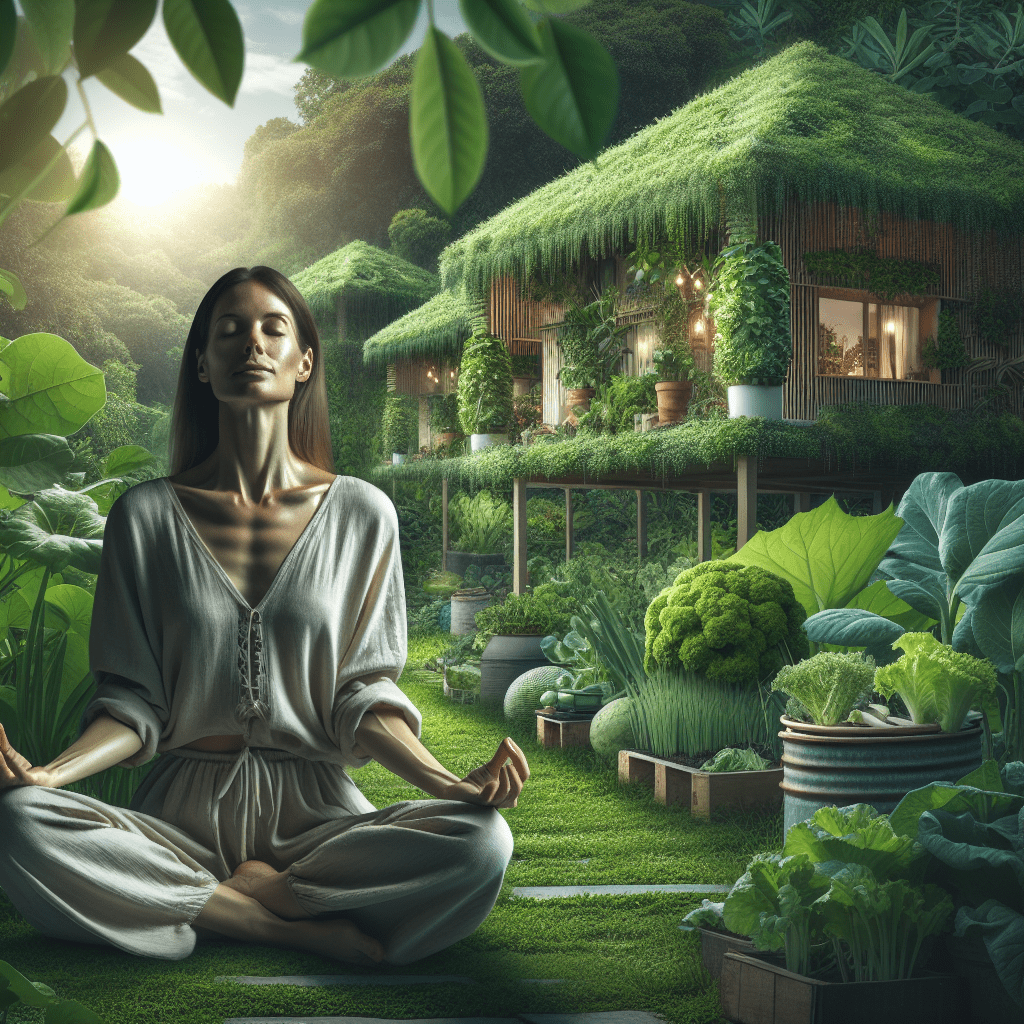
Mindfulness practices, such as meditation or yoga, are integral to sustaining a balanced mind and body. Many individuals find that incorporating eco-friendly practices into their mindfulness routines enhances their overall experience. For instance, practicing yoga outdoors or meditating in a natural setting can deepen the sense of connection with the environment.
Additionally, being mindful of consumption—whether it’s reducing waste, shopping sustainably, or supporting eco-friendly businesses—creates a heightened awareness of our choices. This awareness can lead to more intentional living, fostering greater satisfaction and happiness. When we align our values with our actions, we often feel more fulfilled.
Conclusion
Embracing green living presents a holistic approach to achieving balance in both mind and body. By adopting sustainable practices, individuals can improve their physical health through better nutrition, create serene and healthy living environments, and experience improved mental well-being through nature engagements and mindfulness. In a world full of fast-paced challenges, choosing a green lifestyle is an empowering decision—one that nurtures not just ourselves but also the planet we call home. As we cultivate this lifestyle, we foster resilience, enhance our well-being, and contribute to a healthier, more balanced world for future generations.
[ad_2]