
 By
By [ad_1]
In recent years, the wellness landscape in the United States has seen an unprecedented shift, with cannabidiol (CBD) emerging as a front-runner in holistic health solutions. Derived from the hemp plant, CBD has garnered attention for its therapeutic potential, promising not just a remedy for minor ailments but also a pathway toward overall well-being. The landscape surrounding CBD is evolving rapidly, and understanding its potential benefits as well as current regulatory challenges can aid individuals on their wellness journeys.
Understanding CBD: A Brief Overview
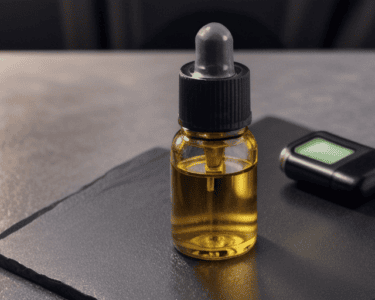
Cannabidiol is one of over 100 cannabinoids found in the cannabis plant, but unlike its more famous counterpart, tetrahydrocannabinol (THC), CBD is non-psychoactive. This means it does not produce the “high” associated with marijuana use. In 2018, the U.S. Farm Bill legalized hemp-derived CBD, paving the way for a burgeoning industry that now spans a wide array of products, from oils and tinctures to gummies and topical creams. The National Center for Complementary and Integrative Health has noted increasing consumer interest in CBD for various health conditions, including anxiety, pain management, and even sleep disorders.
The Science Behind CBD
Emerging research has begun to demystify the workings of CBD in the human body, particularly its interaction with the endocannabinoid system (ECS). The ECS plays a vital role in maintaining homeostasis, regulating functions such as mood, pain sensation, and immune responses. Preliminary studies suggest that CBD may help in balancing ECS activity, which can lead to various health benefits. For instance, a 2021 study published in the journal Cannabis and Cannabinoid Research revealed that CBD oil may reduce anxiety symptoms in individuals suffering from social anxiety disorder.
Moreover, the anti-inflammatory properties of CBD have attracted attention, especially within the fitness community. Athletes are increasingly turning to CBD for recovery and pain relief, with some studies indicating that it may help reduce exercise-induced inflammation. As this research expands, many are integrating CBD into their wellness routines, seeing it not merely as a supplement but as an essential tool in holistic health management.
Current Trends and Market Dynamics
As of 2023, the CBD market in the U.S. is projected to exceed $47 billion by 2028, reflecting growing consumer acceptance and interest in natural wellness remedies. Trends indicate an increasing diversification of products, with companies now offering everything from skincare infused with CBD to beverages, pet products, and even food additives. This diversification has made CBD more accessible, reaching consumers who may not fit the traditional mold of “cannabis users.”
However, amidst all the excitement, the regulatory landscape remains murky. The Food and Drug Administration (FDA) has yet to establish comprehensive regulations, leading to variability in product quality and consumer education. The 2022 FDA report highlighted concerns over claims made by some CBD products, stressing the importance of third-party testing and transparency for consumers. Those venturing into the world of CBD are encouraged to do due diligence, seeking out reputable companies that provide lab results to ensure safety and efficacy.
Real-World Applications: User Testimonials
The anecdotal evidence surrounding the benefits of CBD is as vast as the market itself. Many users report significant improvements in their quality of life, especially those battling chronic pain or anxiety. Testimonials on platforms such as social media and wellness blogs have spotlighted personal stories of individuals finding relief where traditional medications have fallen short. For instance, users often emphasize the role of CBD in managing anxiety during social situations or as part of their nighttime routine to promote better sleep.
Yet, while personal experiences can be compelling, it is essential to approach CBD with an informed mindset. Individual responses to CBD can vary widely, and what works for one person may not work for another. Consulting with healthcare professionals knowledgeable about CBD and its possible interactions with other medications is advisable, especially for those with existing health conditions.
The Future of CBD in Wellness
Looking ahead, the landscape of CBD in the United States appears poised for significant growth and evolution. With increasing consumer education and research backing its potential, CBD can likely secure a more established role in mainstream wellness. Advances in technology, such as nano-emulsion and water-soluble formulations, could enhance absorption and efficacy, making products more user-friendly.
Moreover, as societal acceptance grows, conversations surrounding the broader applications of cannabinoids may expand. Health-conscious individuals may take a more comprehensive approach to wellness by exploring not only CBD but other cannabinoids and terpenes found in hemp. A more holistic understanding of the plant could further enhance its role in wellness regimens.
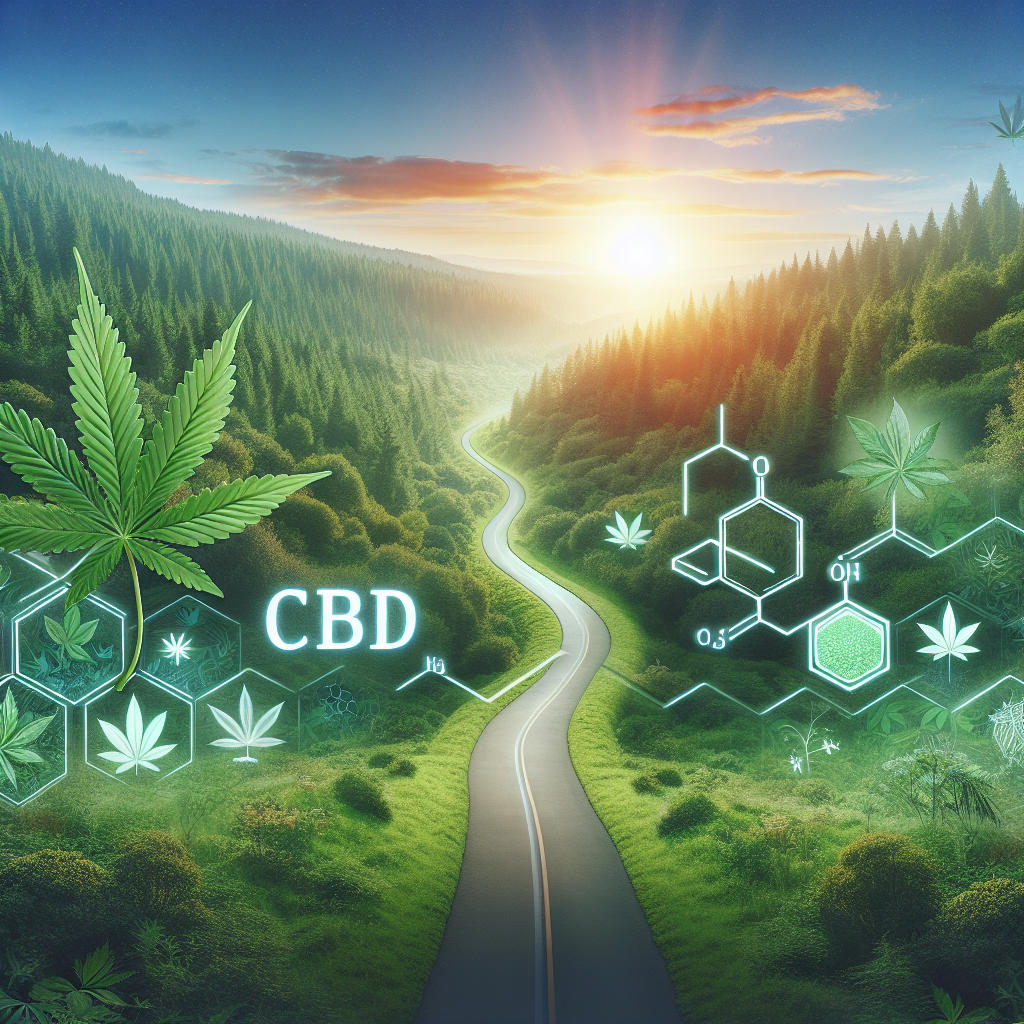
Conclusion: Paving Your Wellness Journey
As you embark on your wellness journey, considering the inclusion of CBD can offer new avenues for health management. Whether you’re seeking relief from anxiety, looking to manage chronic pain, or simply interested in a more natural lifestyle approach, CBD holds potential benefits worth exploring. However, as always, a thoughtful approach is essential—backed by research, credible sources, and healthcare consultation.
In a world increasingly leaning toward natural alternatives, staying informed and discerning will allow you to navigate the CBD landscape wisely. Embrace the journey, remain curious, and reflect on how this evolving field can contribute to your overall wellness. The future is bright, and the possibilities are vast.
[ad_2]