

 By
By [ad_1]
Over the past decade, cannabis farming has evolved dramatically in both Canada and the United States, spurred by changing legal landscapes and societal attitudes. The establishment of regulated markets has not only transformed public perception but also inspired innovative farming techniques that enhance sustainability, efficiency, and profitability. As the industry grows, farmers are increasingly adopting cutting-edge technologies and sustainable practices that reflect a commitment to quality and environmental stewardship. This article explores some of the most forward-thinking approaches to cannabis cultivation in these two countries, highlighting current trends and expert insights.
The Legal Landscape and Its Impact
In Canada, the Cannabis Act of 2018 marked a significant milestone, making it the first G7 country to legalize recreational use. This legislation has fostered a thriving legal market that encourages growers to experiment with new cultivation methods. In the United States, cannabis regulations vary widely from state to state, creating a complex landscape. While states like California and Colorado have embraced legalization, others remain firmly opposed. Despite these challenges, the demand for cannabis continues to rise, compelling growers to innovate to maintain competitiveness.
As legalization progresses, farmers are increasingly interested in sustainable practices that not only appeal to eco-conscious consumers but also reduce operational costs. Techniques such as organic farming, regenerative agriculture, and precision cultivation are gaining traction. These environmentally friendly methods not only enhance product quality but also support soil health and biodiversity. With consumers becoming more discerning, cultivating high-quality cannabis that resonates with their values is vital.
Advanced Agricultural Technologies
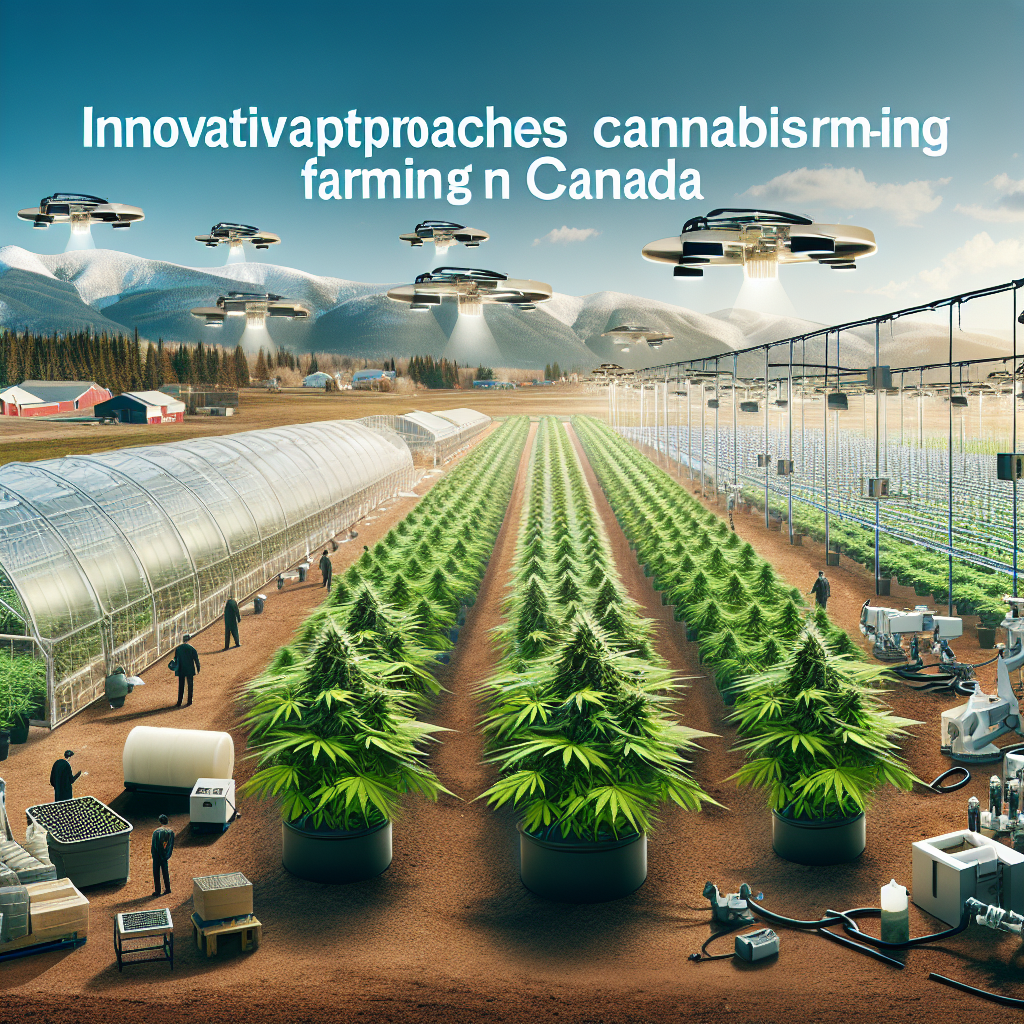
Innovative farming techniques leverage technology to enhance cultivation efficiency and crop quality. Vertical farming, for instance, is gaining popularity as a way to maximize space in urban environments. By growing cannabis plants in stacked layers, farmers can produce higher yields in a smaller footprint. This method is particularly appealing in densely populated areas where traditional farming space is limited.
Hydroponics and aeroponics also represent cutting-edge approaches that drastically reduce water usage and improve growth rates. In hydroponics, plants are grown in nutrient-rich water solutions, while aeroponics involves suspending plants in the air and misting them with nutrients. These methods enable year-round cultivation and can lead to faster growth cycles, making them attractive options for growers looking to optimize their operations.
Moreover, drag-and-drop software tools and data analytics platforms are becoming increasingly common in cannabis farming. These technologies allow farmers to monitor plant health, environmental conditions, and nutrient levels in real-time. By using data-driven insights, growers can make informed decisions, enhancing yields and reducing resource waste. As the industry becomes more data-centric, farmers who invest in technology are likely to gain a competitive edge.
Sustainable Practices and Environmental Impact
Sustainability is a central theme in modern cannabis farming. As environmental concerns become more pressing, many growers are adopting practices that minimize their ecological footprint. For instance, regenerative agriculture focuses on improving soil health through diverse crop rotations, cover crops, and reduced tillage. This approach not only leads to healthier cannabis plants but also captures carbon and enhances local ecosystems.
Water management is another critical component of sustainable cannabis farming. Innovative irrigation systems, such as drip irrigation and rainwater harvesting, help conserve water while ensuring plants receive the necessary hydration. Given that cannabis cultivation can be water-intensive, these methods are not only environmentally friendly but also cost-effective.
Certified organic cannabis is gaining traction as growers respond to consumer demand for clean, pesticide-free products. Achieving organic certification requires adherence to strict guidelines, but the benefits include improved marketability and higher price points. In both Canada and the United States, growers who can demonstrate sustainable practices are increasingly positioned as market leaders.
Community and Collaborative Approaches
Another trend gaining momentum in the cannabis industry is the emphasis on community engagement and collaboration. Many growers are recognizing the advantages of working together to tackle challenges and share resources. Co-ops and collective farming models allow smaller growers to pool their resources, share best practices, and facilitate access to markets. This collaborative approach not only strengthens local economies but also fosters a sense of community among growers.
Networking events and educational initiatives focusing on best practices in cannabis cultivation are becoming more prevalent. Workshops led by industry experts provide growers with insights into innovative techniques, regulatory changes, and market trends. These resources empower farmers to adapt and thrive in a rapidly evolving landscape.
Market Trends and Future Outlook
As we move further into the 21st century, the cannabis industry is positioned for sustained growth. Analysts estimate that the global cannabis market could exceed $70 billion by 2028, driven by rising consumer demand and continued legalization efforts. As more states in the U.S. consider legalization and Canada explores opportunities for international exports, those engaged in cannabis farming will need to continuously innovate and adapt.
Moreover, consumer preferences are shifting towards high-quality products that incorporate novel flavors and effects. This trend is prompting growers to experiment with genetics and hybrid strains that offer unique attributes. As a result, the emphasis on research and development is expected to increase, leading to the creation of exceptional cannabis varieties.
Conclusion
The landscape of cannabis farming in Canada and the United States is undergoing a profound transformation fueled by innovation and sustainability. As growers embrace advanced technologies, sustainable practices, and collaborative approaches, the industry is poised for a bright future. Consumers, policymakers, and growers alike are becoming more aware of the potential benefits of a responsible cannabis market. As regulations continue to evolve, so too will the methods of cultivation, pushing the boundaries of what is possible in this burgeoning field. The path forward will require adaptability and a commitment to excellence as the industry strives not only for profitability but also for a positive impact on society and the environment.
[ad_2]