

 By
By [ad_1]
As stress levels soar and mental health issues increasingly permeate everyday life in the United States, individuals are seeking alternative remedies to traditional pharmaceuticals. In recent years, cannabidiol (CBD), a non-psychoactive compound found in cannabis, has surged in popularity as a natural ally for stress reduction and emotional balance. With a growing body of evidence supporting its efficacy, coupled with changing perceptions and legal landscapes, CBD is finding its place in the wellness industry as a viable solution for those grappling with anxiety and stress-related concerns.
Understanding CBD and Its Effects
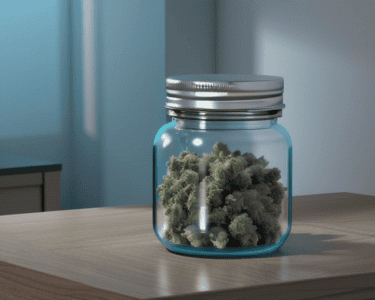
CBD is one of over 100 phytocannabinoids found in the cannabis plant, and it is largely known for its potential therapeutic properties. Unlike its more famous cousin THC (tetrahydrocannabinol), CBD does not cause intoxication, making it an appealing option for those who wish to reap the benefits of cannabis without the high. Preliminary research indicates that CBD may influence the endocannabinoid system, which plays a crucial role in regulating mood, sleep, and stress responses. By interacting with this system, CBD could potentially promote emotional balance and contribute to stress reduction.
Studies have shown that CBD may help alleviate symptoms of generalized anxiety disorder (GAD), social anxiety disorder, and even post-traumatic stress disorder (PTSD). A 2021 study published in the Journal of Clinical Psychology found that CBD significantly reduced anxiety levels in participants, demonstrating its promise as a natural approach to managing stress-related conditions. Furthermore, a survey conducted by the Hemp Business Journal indicated that nearly 60% of CBD users cite anxiety as their primary reason for using the product, underscoring the compound’s growing relevance as a mental health aid.
The Rise of CBD Products in the Market
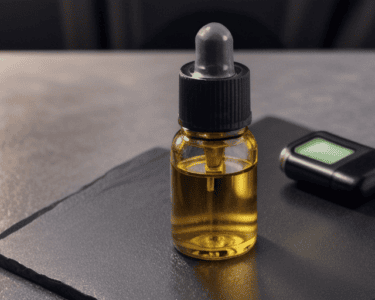
The burgeoning interest in CBD has given rise to a plethora of products, ranging from oils and tinctures to gummies and topical creams. According to data from the Brightfield Group, the U.S. CBD market is expected to reach $20 billion by 2024, driven by increasing consumer awareness and evolving legislation. This expansion has prompted many reputable manufacturers to prioritize quality and transparency, ensuring that their products meet safety and efficacy standards.
Moreover, the legal landscape for CBD has significantly evolved since the 2018 Farm Bill legalized hemp-derived CBD containing less than 0.3% THC. This regulatory shift has paved the way for a more robust market, encouraging research, innovation, and public acceptance. Consumers now have access to a wide variety of products tailored to their specific needs, which fosters greater exploration of how CBD can be integrated into wellness routines.
Current Trends and Expert Insights
As the popularity of CBD continues to grow, experts in the field are increasingly vocal about its potential benefits. Psychologist and cannabis researcher, Dr. Jordan Tishler, points out that while CBD has shown promise, it should not be viewed as a one-size-fits-all solution. Individuals react differently to cannabinoids, and personalized approaches are crucial for achieving optimal results. Dr. Tishler advises users to start with lower doses and gradually increase as needed, closely monitoring their response to find the right balance.
In addition to dosage, the method of consumption also plays a significant role in the effectiveness of CBD. For example, inhalation methods such as vaping or smoking can produce quicker effects, while edibles like gummies take longer to kick in but may offer prolonged relief. Understanding these subtleties is essential for users looking to leverage CBD for stress management effectively.
Navigating Challenges and Misconceptions
Despite the growing body of evidence supporting CBD’s benefits, misconceptions and skepticism persist. Many consumers remain wary due to the stigma associated with cannabis and a lack of clarity regarding product quality. As the industry matures, it is vital for consumers to be educated about how to discern reputable products. Understanding terms such as "full-spectrum," "broad-spectrum," and "isolates" can help individuals make informed choices that align with their wellness goals.
Additionally, individuals should consult healthcare providers, particularly if they are on medications that may interact with CBD. As Dr. Julie Holland, a psychiatrist who focuses on cannabis therapeutics, emphasizes, "CBD has the potential to be a valuable tool, but it’s essential to integrate it thoughtfully into one’s overall health strategy."
A Promising Future for CBD
Looking ahead, the future of CBD as a natural ally for stress reduction and emotional balance appears promising. Ongoing research aims to explore the compound’s therapeutic potential further and address safety concerns, while the industry continues to innovate, improving product quality and efficacy. As societal attitudes shift towards more holistic approaches to health, the acceptance of CBD is expected to grow, making it a staple in many individuals’ wellness arsenals.
In conclusion, as mental health challenges become increasingly prevalent in today’s fast-paced world, CBD stands out as a compelling alternative for those seeking natural solutions. Its benefits for stress reduction and emotional balance are being backed by a growing body of research, while consumer interest is slowly reshaping the market. With careful consideration and informed choices, individuals across the United States may find themselves not just surviving, but thriving, aided by the therapeutic properties of this remarkable compound. As we navigate the future, the conversation around CBD will likely evolve, encouraging even more individuals to explore it as a valuable ally in their journey toward well-being.
[ad_2]