 By
By [ad_1]
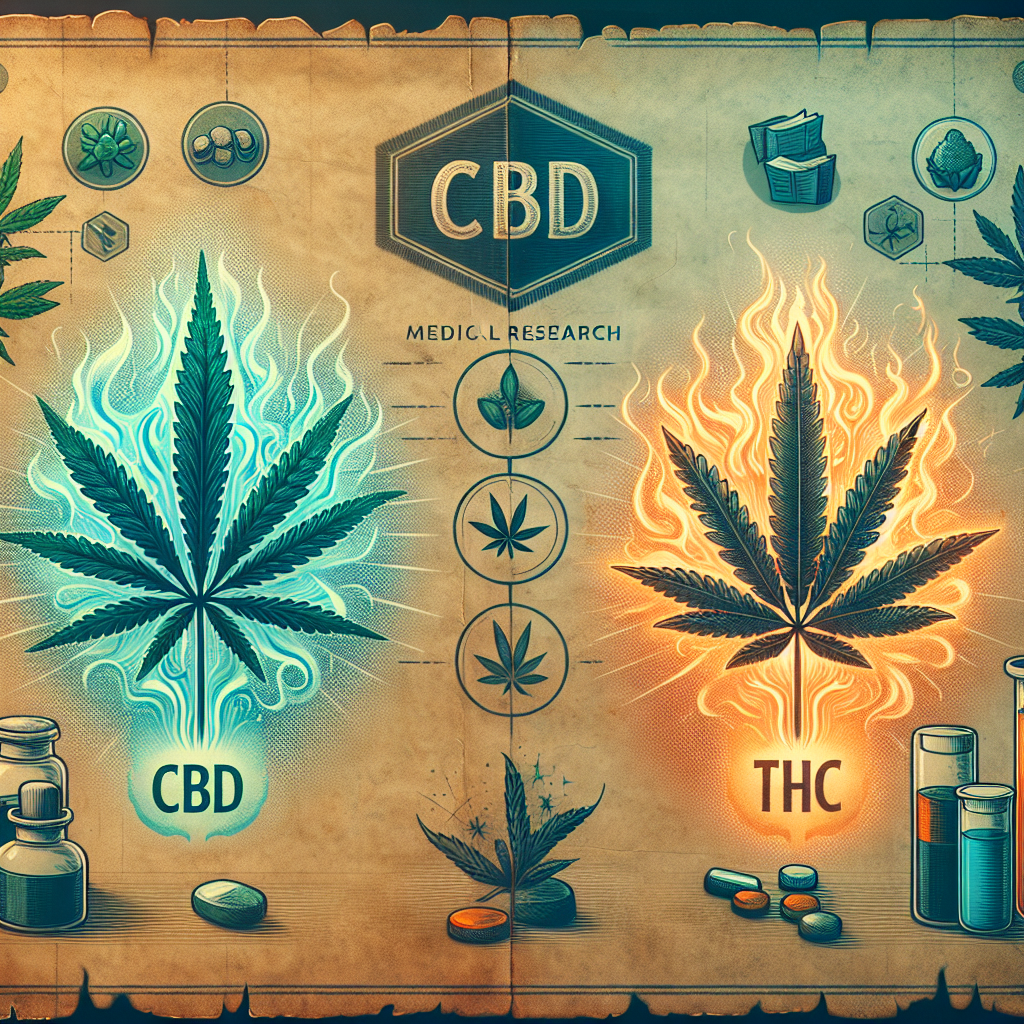
Cannabis has garnered significant attention over the years for its potential health benefits, primarily due to its two most well-known compounds: cannabidiol (CBD) and tetrahydrocannabinol (THC). Although both compounds originate from the cannabis plant, they exhibit distinctly different effects on the human body. This article explores the differences and benefits of CBD and THC, shedding light on how each can be utilized for various health and wellness purposes.
What is CBD?
CBD, short for cannabidiol, is a non-psychoactive compound found in the cannabis plant. Unlike THC, which is known for its mind-altering effects, CBD does not produce a “high.” This characteristic has made CBD a popular choice for individuals seeking therapeutic benefits without the intoxicating effects associated with cannabis consumption. Many users turn to CBD to alleviate a variety of conditions, including anxiety, chronic pain, inflammation, and more.
What is THC?
THC, or tetrahydrocannabinol, is the psychoactive component of cannabis that is responsible for the euphoric “high” commonly associated with marijuana. THC works by interacting with cannabinoid receptors in the brain, leading to altered perception, mood changes, and enhanced sensory experiences. While many people use THC recreationally for its psychoactive effects, it also possesses medical benefits that can aid in pain relief, appetite stimulation, and nausea reduction, making it useful for patients undergoing treatments like chemotherapy.
Key Differences Between CBD and THC
Psychoactivity
The most distinguishing factor between CBD and THC is their psychoactive properties. CBD is non-psychoactive, meaning it does not alter your mental state or cognition. In contrast, THC produces the “high” sensation that is characteristic of cannabis use.
Legal Status
The legal landscape for CBD and THC varies significantly by location. In many regions, CBD derived from hemp (less than 0.3% THC) is legal, while THC remains restricted or illegal in some areas due to its psychoactive effects. It is essential to check local regulations before purchasing or using these compounds.
Medical Benefits
Both CBD and THC are recognized for their potential therapeutic effects. CBD is commonly used for managing anxiety, depression, epilepsy, and chronic pain without the intoxicating side effects. THC can be effective for appetite stimulation, reducing nausea, and providing pain relief, but it may also lead to anxiety and paranoia in some users. Therefore, the choice between the two often depends on the specific health needs and lifestyle preferences of the individual.
Side Effects
While both CBD and THC can cause side effects, they differ in nature. CBD is generally well-tolerated, with minimal side effects like drowsiness or digestive issues in some individuals. On the other hand, THC can produce a range of side effects, including increased heart rate, dry mouth, red eyes, and heightened anxiety, particularly in inexperienced users or those using high doses.
Benefits of CBD
- Anxiety Relief: Many studies suggest that CBD may help reduce anxiety and improve mood.
- Anti-Inflammatory: CBD has been shown to have anti-inflammatory properties, which can help manage chronic pain.
- Neurological Protection: CBD demonstrates potential neuroprotective properties, making it a candidate for conditions like epilepsy and multiple sclerosis.
- Improved Sleep: Some users report improved sleep quality and reduced insomnia with CBD.
Benefits of THC
- Pain Management: THC can provide effective relief for chronic pain conditions.
- Appetite Stimulation: THC is well known for helping stimulate appetite, particularly in patients undergoing cancer treatment.
- Nausea Relief: THC can be beneficial in mitigating nausea and vomiting, especially in chemotherapy patients.
- Muscle Relaxation: THC has muscle relaxant properties, which can aid in managing muscle spasms and tension.
Conclusion
In summary, both CBD and THC offer a range of benefits and can be used to address various health concerns. While they share a common origin in the cannabis plant, their differences in psychoactivity, legal status, medical benefits, and side effects make them suitable for different individual needs. Whether one chooses to use CBD for its calming effects or THC for its pain management capabilities, it is crucial to consult healthcare professionals and do thorough research to ensure the safe and effective use of these compounds.
FAQs
1. Is CBD legal everywhere?
CBD derived from hemp is legal in many regions, but the laws can vary, so it is essential to check local regulations.
2. Can I use CBD and THC together?
Yes, some people use a balanced combination of CBD and THC to maximize therapeutic effects while minimizing the psychoactive impact of THC.
3. Will CBD show up on a drug test?
While CBD itself is unlikely to show up on a drug test, some products may contain trace amounts of THC, which could potentially result in a positive test.
4. What are the side effects of CBD?
CBD is generally well tolerated, but some users may experience side effects such as fatigue, nausea, or changes in appetite.
5. Can you get high from CBD?
No, CBD is non-psychoactive and will not produce a “high” sensation. This is a key distinction from THC.
[ad_2]