
 By
By [ad_1]
Women in Weed: Celebrating Female Cannabis Growers and Their Impact on the Industry
The cannabis industry has undergone significant transformation in recent years, both from legal and cultural standpoints. As the industry continues to evolve, women have emerged as formidable players in what was once a predominantly male-dominated field. Female cannabis growers, entrepreneurs, and innovators are redefining the landscape, bringing diversity, creativity, and a host of unique perspectives to the industry. This article aims to celebrate female cannabis growers and delve into their impact on the industry.
The Rise of Women in Cannabis
As cannabis legalization spreads across various regions in North America and beyond, more women are stepping into roles as cultivators and business leaders. A report from the Marijuana Business Daily suggests that about 37% of the cannabis workforce is female, compared to just 24% in the overall U.S. workforce, showcasing the increasing representation of women in this field. Many women enter the industry not just to pursue financial gain but to change perceptions around cannabis and advocate for responsible use, sustainability, and health benefits.
Breaking Stereotypes
The journey of women in the cannabis industry is often laden with challenges. Female growers must navigate not only the complexities of agriculture and business management but also societal stereotypes. Women in weed often face skepticism about their abilities to manage cultivation operations effectively. However, many female growers have proven naysayers wrong by showcasing their expertise, dedication, and passion for cannabis cultivation.
For example, growers like Marigold & Leaf’s founder, Dr. Holly McMahan, are pioneering advancements in organic growing methods and emphasizing the importance of sustainable practices, underscoring that women can lead in both technical knowledge and environmental responsibility.
Leadership and Advocacy
Women aren’t just making strides in cultivation; they are also stepping into leadership roles and advocating for topics that matter in the cannabis industry. Many female leaders prioritize social equity, sustainability, and community engagement, shaping the industry’s future in meaningful ways.
Organizations like Women Grow and The National Organization for the Reform of Marijuana Laws (NORML) have been instrumental in providing resources and networking opportunities for women looking to venture into cannabis. These organizations foster a supportive environment and aim to empower women to take on leadership roles, challenging the status quo that has existed traditionally.
Economic Empowerment
With women at the forefront of cannabis entrepreneurship, the industry is seeing economic empowerment take root. Female-led cannabis companies are proving that compassion and creativity can drive profitability. For instance, companies like Kiva Confections, co-founded by Kristi Palmer, have not only become leaders in infused edibles but have also set new standards for product quality and consumer experience.
Moreover, a growing number of grants and funding opportunities specifically aimed at women-led businesses have begun to emerge, such as the Cannabis Lab’s Pitch Competition, which promotes female entrepreneurs. These initiatives help the next generation of female growers and business owners break into the industry, ensuring a continuation of female influence.
Social and Environmental Impact
Beyond economic contributions, female cannabis growers are often more inclined to incorporate social responsibility and sustainability into their practices. With growing concerns about the environmental cost of cannabis production, women are frequently at the forefront of advocating for eco-friendly cultivation methods.
From using regenerative agriculture to employing permaculture techniques, female growers are setting examples for ethical cultivation. Women like Amy S. of Eden Labs not only cultivate but also engage in community education regarding sustainable practices, emphasizing how growing cannabis can go hand-in-hand with caring for the planet.
Celebrating Diversity
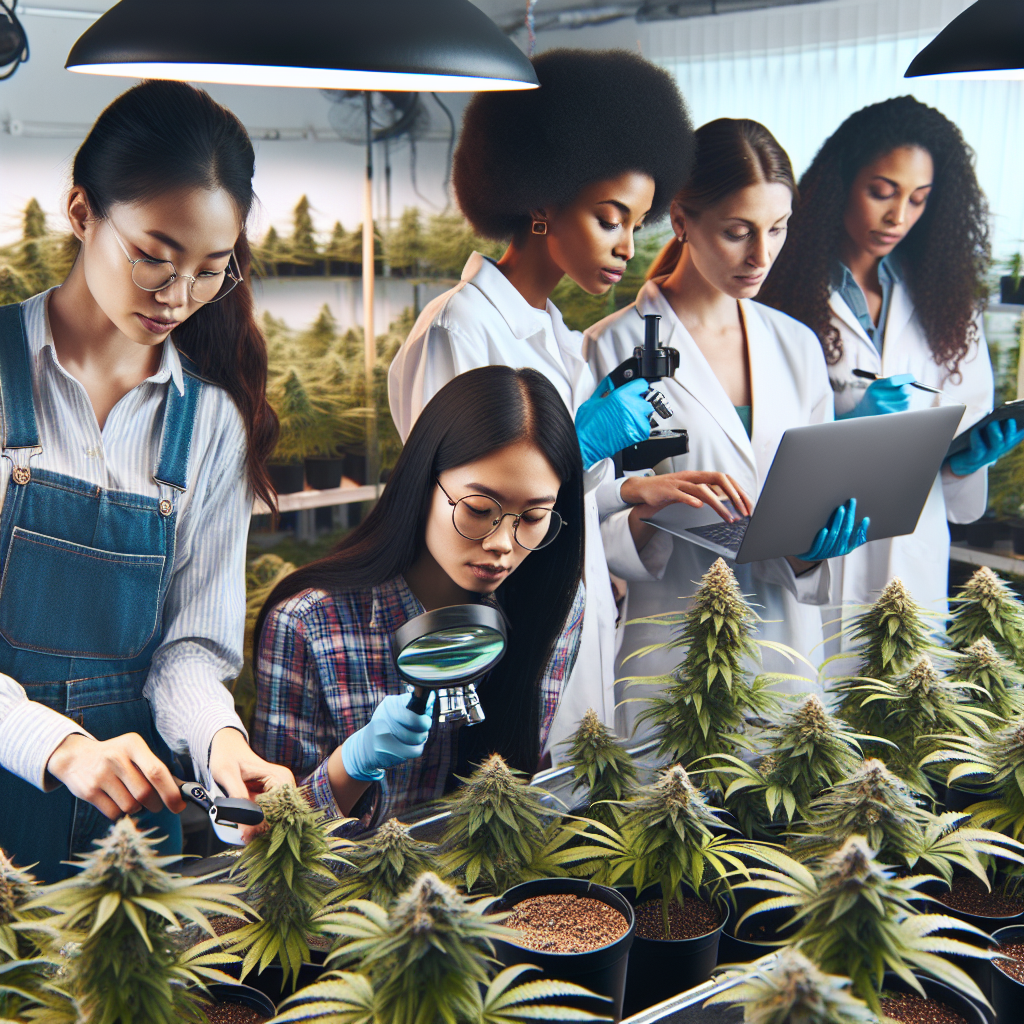
It is essential to recognize that women of diverse backgrounds, including women of color and LGBTQ+ individuals, are making significant impacts in the cannabis space. The intertwining of diversity with cannabis initiatives promotes broader community involvement and better representation. Celebrating women from various backgrounds enriches the industry and fosters innovation. In this way, the cannabis space is becoming more inclusive, mirroring the diverse user base and the needs of a more modern consumer demographic.
FAQs
Q: What challenges do women face in the cannabis industry?
A: Women in the cannabis industry often contend with gender bias, lack of access to funding, and a male-dominated culture. They may also face additional societal expectations and stereotypes.
Q: How do female cannabis growers contribute to sustainability?
A: Female growers are often more inclined to adopt sustainable and eco-friendly cultivation practices, such as organic farming, regenerative agriculture, and community education.
Q: Are there organizations that support women in the cannabis industry?
A: Yes, organizations like Women Grow, The National Organization for the Reform of Marijuana Laws (NORML), and several others offer networking opportunities, mentorship, and resources for women in the cannabis space.
Q: What percentage of the cannabis workforce is female?
A: As of recent reports, around 37% of the cannabis workforce is female, which is significantly higher than the 24% average in the overall U.S. workforce.
Q: Why is diversity important in the cannabis industry?
A: Diversity fosters innovation, better representation, and more robust community involvement. It also reflects the diverse user base of cannabis and ensures that multiple perspectives and needs are addressed.
In conclusion, the role of women in the cannabis industry is not only breaking stereotypes but also reshaping its future. As female growers, entrepreneurs, and leaders continue to pave the way for sustainable practices and social equity, they contribute to a vibrant, diverse cannabis community. With continued support and recognition, women in weed will undoubtedly leave their mark on this burgeoning industry for years to come.
[ad_2]