 By
By [ad_1]
The Future of Farming: Indoor vs. Outdoor Cannabis Cultivation
As cannabis becomes increasingly mainstream and legalization spreads across various regions, growers are faced with a pivotal choice: should they cultivate cannabis indoors or outdoors? Each method presents unique advantages and challenges, influencing not just the quality and yield of the crop but also its economic viability and environmental impact. As we delve into the future of cannabis farming, it’s essential to consider these factors carefully.
Indoor Cultivation
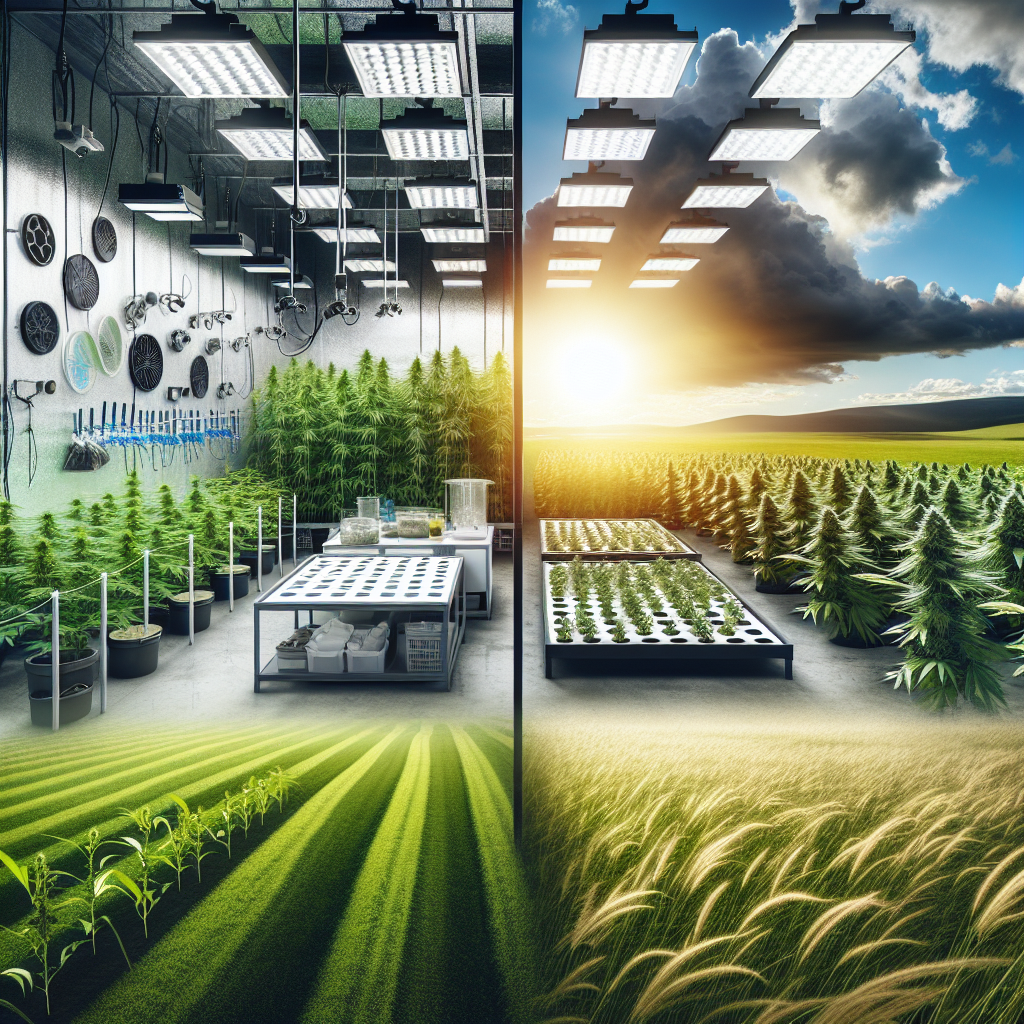
Indoor cannabis cultivation involves growing the plant in controlled environments, often utilizing hydroponics, artificial lighting, and climate control systems. This method is particularly popular among cultivators looking to produce high-quality cannabis with specific characteristics.
Advantages of Indoor Cultivation:
- Controlled Environment: Indoor growers have complete control over light, temperature, humidity, and air quality, allowing them to optimize conditions for growth. This can lead to higher THC levels and better yield per square foot.
- Pest and Disease Management: Indoor facilities can minimize exposure to pests and diseases, reducing the need for pesticides and resulting in a purer product.
- Multiple Harvests Per Year: With the ability to manipulate light cycles, cultivators can grow multiple batches in a year, enhancing profitability.
- Space Efficiency: Vertical farming techniques allow indoor cultivators to maximize space and potentially produce more cannabis than traditional methods.
Disadvantages of Indoor Cultivation:
- High Energy Costs: Maintaining adequate lighting and temperature involves significant energy use, increasing operational costs and impacting environmental sustainability.
- Initial Investment: Setting up an indoor growing facility requires substantial investment in technology and equipment, making it less accessible for small growers.
- Limited Terpene Development: Some studies suggest that cannabis grown indoors may lack the depth of flavor and aroma found in sun-grown cannabis, which can impact the final product’s appeal.
Outdoor Cultivation
Outdoor cannabis farming utilizes natural sunlight and environmental conditions. This method is traditional and has gained popularity in regions with suitable climates for cannabis growth.
Advantages of Outdoor Cultivation:
- Cost Efficiency: Outdoor cultivation usually involves lower operational costs, as sunlight is free and doesn’t require specialized equipment for lighting.
- Natural Growth Conditions: Plants grown outdoors can develop a more complex terpene profile and flavor, resulting in a richer product that is often preferred by consumers.
- Environmental Benefits: Cultivating cannabis outdoors generally has a smaller carbon footprint compared to indoor farming, particularly regarding energy consumption.
Disadvantages of Outdoor Cultivation:
- Environmental Risks: Outdoor crops are susceptible to weather fluctuations, pests, and diseases, which can greatly affect yield and quality.
- Limited Harvests: Growers can typically only harvest once or twice a year, depending on the climate, which can limit potential profits.
- Regulatory Challenges: In some regions, outdoor cultivation may face stricter regulations, including zoning laws and security measures.
The Evolving Landscape
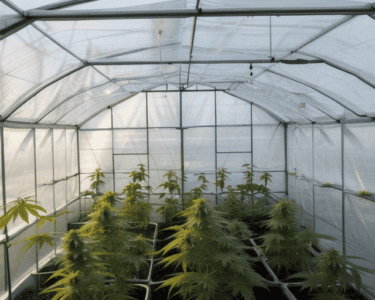
As both methods evolve, hybrid systems are emerging that aim to combine the benefits of indoor and outdoor cultivation. These systems leverage natural sunlight while employing controlled environments to protect against pests and varying climate conditions. For instance, greenhouses that integrate supplemental lighting and climate controls can provide a compromise, offering many benefits of both indoor and outdoor setups.
Technological Innovations
The cannabis industry is also benefiting from technological advancements. Precision agriculture, which incorporates data analytics and IoT (Internet of Things) devices, is becoming more common. This technology allows growers to monitor plant health, optimize water usage, and manage nutrients with unprecedented accuracy, regardless of the cultivation method.
Moreover, the rise of automated systems helps streamline operations, reduce labor costs, and enhance production efficiency. Applying AI-driven technologies can provide insights into plant health and predict optimal harvesting times.
Environmental Considerations
As environmental concerns mount, many cultivators are also looking at the sustainability of their methods. Indoor farms struggle with energy consumption, but renewable energy sources are gaining traction. Many indoor growers are now investing in solar panels and energy-efficient systems to mitigate their carbon footprint.
Conversely, outdoor cultivation, while generally lower in energy use, faces sustainability issues related to land use and water consumption. Growers are exploring regenerative agriculture techniques, such as polyculture, which promotes biodiversity and soil health.
Conclusion
The debate between indoor and outdoor cannabis cultivation is complex and influenced by multiple factors, including economic viability, product quality, environmental impact, and technological advancements. As the industry matures, the future of cannabis farming may see a more favorable blend of both methods, leveraging technology and sustainable practices to meet the growing demand for cannabis products.
FAQs
Q1: Which method yields higher-quality cannabis?
A1: Indoor cultivation often yields higher THC levels and better control over product consistency. However, outdoor cannabis is typically praised for its rich flavors and aroma due to natural growing conditions.
Q2: Is indoor cultivation environmentally sustainable?
A2: Indoor cultivation generally has a higher carbon footprint due to energy consumption, but using renewable energy can help mitigate this. Innovations in efficiency also contribute to sustainability.
Q3: Can outdoor cannabis be grown year-round?
A3: Outdoor cannabis has a seasonal growth cycle, with most regions allowing one or two harvests per year, dependent on climate.
Q4: How do pests and diseases affect indoor and outdoor cannabis?
A4: Indoor cannabis has an advantage in pest and disease management due to controlled environments. However, outdoor cannabis is more susceptible to environmental factors.
Q5: What are hybrid systems?
A5: Hybrid systems combine elements of both indoor and outdoor cultivation, using greenhouses with controlled environments to optimize growth conditions while utilizing natural sunlight.
The future of cannabis cultivation will likely require adaptable solutions to navigate the complex challenges of an evolving industry and a changing climate.
[ad_2]