

 By
By [ad_1]
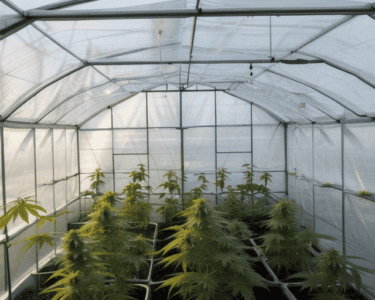
As cannabis cultivation continues to gain momentum around the world, the importance of mastering climate control techniques in greenhouses becomes increasingly crucial. Cultivating cannabis not only requires a deep understanding of the plant itself but also a keen insight into how environmental factors can influence growth, potency, and yield. This article delves into the essential elements of climate control for cannabis growth in greenhouses, providing growers with actionable tips and insights.
The Importance of Climate Control
Cannabis plants are highly sensitive to environmental conditions, which can significantly impact their health and productivity. Key climatic factors include temperature, humidity, light, and air circulation. A greenhouse that provides an ideal climate can lead to healthier plants, higher yields, and better quality buds.
Key Factors in Climate Control for Cannabis Growth
-
Temperature Regulation
- Optimal Range: Cannabis thrives in temperatures between 70°F and 85°F (21°C to 29°C) during the day, while nighttime temperatures should hover around 60°F to 70°F (15°C to 21°C).
- Heat Management: During hot summer days, excessive heat can lead to stress and hinder growth. Screens, reflective materials, and ventilation systems are vital for maintaining optimal conditions. Shade cloths can reduce direct sunlight, while an evaporation cooling system can help lower temperature levels.
- Heating During Cold Seasons: Conversely, during winter, maintaining adequate warmth is essential to prevent stunted growth or even death in the plants. Heaters, thermal retention covers, and proper insulation can help mitigate temperature drops.
-
Humidity Control
- Importance of Humidity: Maintaining the right humidity level is crucial since it affects transpiration, nutrient uptake, and the risk of fungal diseases. For vegetative growth stages, humidity levels should be around 60%-80%, while during flowering, levels should drop to 40%-50%.
- Dehumidifying Systems: Use dehumidifiers and exhaust fans to lower humidity during high moisture days or wet seasons. Proper ventilation also helps prevent mold and mildew, protecting plants from these detrimental pests.
-
Light Quality and Duration
- Natural vs. Artificial Light: While natural sunlight is the best source for cannabis growth, supplemental LED or fluorescent lighting can be instrumental, especially in areas with limited daylight during winter months.
- Light Spectrum: Plants require different light spectrums at various growth phases – blue light (6000K) for vegetative growth and red/orange light (2700K) for flowering. Utilizing full-spectrum LED lights can meet these needs across all growth phases.
- Photoperiod Management: Since cannabis is photoperiod-sensitive, managing light duration is vital. During vegetative growth, plants need 18 hours of light and 6 hours of darkness; during flowering, switch to a 12/12 cycle.
-
Air Circulation and Quality
- Importance of Airflow: Proper air circulation helps maintain uniform temperature and humidity levels, while also preventing the spread of pests and diseases. Fans should be correctly positioned to create gentle air movement across the plants.
- CO2 Enrichment: Carbon dioxide is crucial for photosynthesis. Increasing CO2 levels during the light phase can promote faster growth and increased yields. However, this must be managed carefully to avoid excessive humidity levels.
- Soil and Water Management
- Soil Health: A healthy soil mix can improve moisture retention and nutrient availability. Consider using potting mixes with good drainage and aeration, or experiment with hydroponic systems to provide optimal nutrients directly to the roots.
- Water Quality: Cannabis plants prefer slightly acidic water (pH between 6.0 to 6.5). It’s important to monitor water quality to avoid introducing pathogens that could harm plant health.
Conclusion
Mastering climate control in greenhouses is key to successful cannabis cultivation. By carefully managing temperature, humidity, light, air circulation, and nutrition, growers can ensure healthy plants that yield high-quality produce. As technology continues to evolve, new tools and techniques will emerge, offering even more ways to optimize cannabis growth.
FAQs
-
What is the ideal temperature range for cannabis in a greenhouse?
- The ideal temperature range for cannabis is between 70°F and 85°F (21°C to 29°C) during the day and 60°F to 70°F (15°C to 21°C) at night.
-
How can I manage humidity in my cannabis greenhouse?
- Utilize dehumidifiers, exhaust fans, and proper ventilation systems to control humidity levels, keeping them between 40%-80% depending on the growth stage.
-
What type of lighting is best for cannabis cultivation?
- Full-spectrum LED lights that can provide a suitable light spectrum during the vegetative and flowering stages are recommended. Natural sunlight is ideal, supplemented by artificial lights when necessary.
-
How important is air circulation in a cannabis greenhouse?
- Air circulation is extremely important as it helps maintain uniform temperature and humidity levels and prevents the buildup of pests and diseases.
- Can I grow cannabis in soil or is hydroponics better?
- Both soil and hydroponics are effective for growing cannabis. The choice depends on personal preferences, as each method has its unique advantages and challenges. Soil typically promotes natural growth and flavor, while hydroponics can lead to faster growth rates.
By understanding and applying these climate control principles, cannabis growers can significantly enhance their cultivation experience, leading to more successful and productive harvests.
[ad_2]