 By
By [ad_1]
The landscape of cannabis in Los Angeles has transformed dramatically since California became the first state to legalize medical marijuana in 1996. In 2016, the state further advanced this progressive stance by legalizing recreational cannabis use for adults over 21. This historic shift has sparked a robust dialogue among community members about the impacts of cannabis dispensaries on local neighborhoods. As the industry continues to expand, it is essential to explore the varying perspectives of residents, local businesses, and policymakers to understand the broader implications of this change.
At the heart of the conversation surrounding cannabis dispensaries is the juxtaposition of economic opportunity and community concerns. Proponents argue that dispensaries bring much-needed revenue to Los Angeles, providing jobs and stimulating local economies. Recent reports indicate that cannabis sales in the city have generated millions in tax revenue, which is earmarked for essential services like education, homelessness relief, and public safety. Many advocates view dispensaries as a positive force, enhancing the vibrancy of neighborhoods and contributing to urban growth.
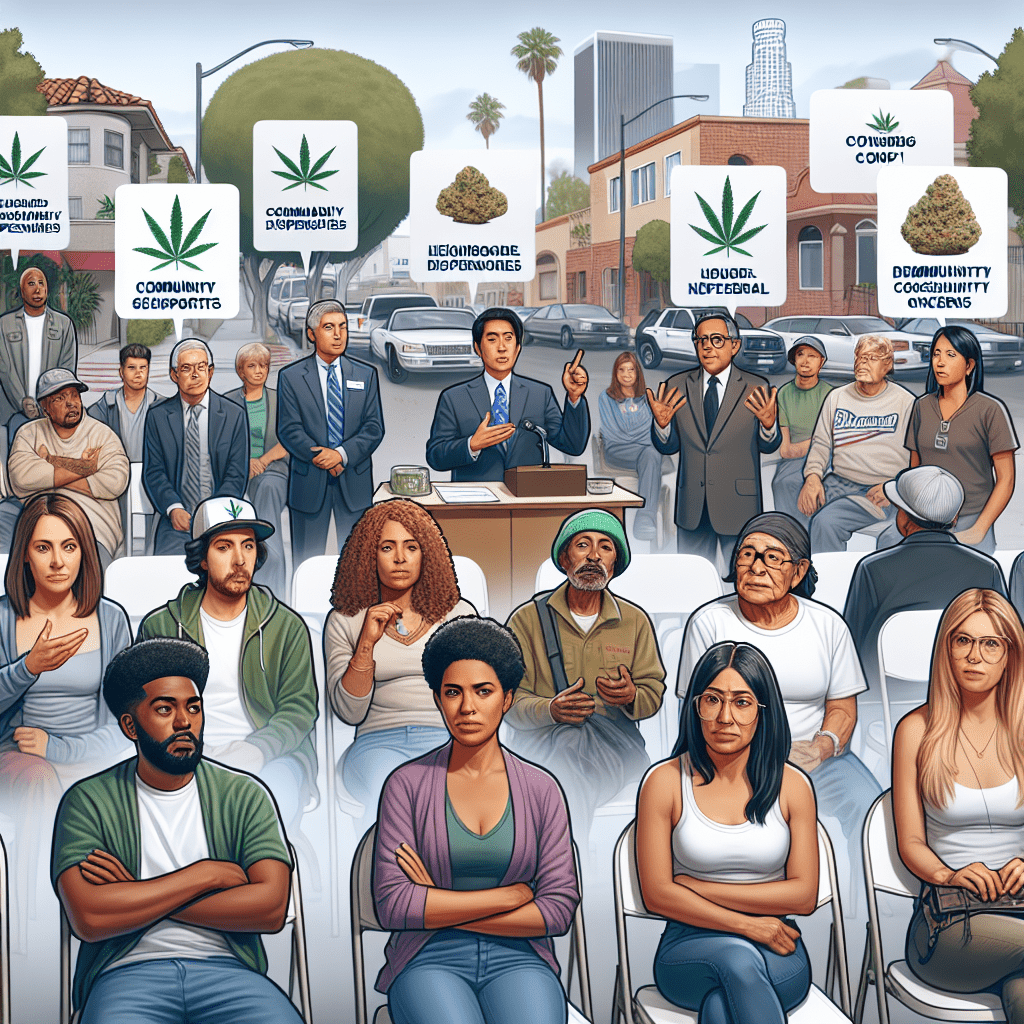
However, not everyone shares this optimistic viewpoint. Community members often raise concerns regarding the potential negative impacts of dispensaries on their neighborhoods. Some residents worry about increases in traffic, noise, and crime that might accompany these establishments. A survey conducted by the Los Angeles City Planning Department in early 2023 showed that a significant percentage of locals remain apprehensive about the proximity of dispensaries to schools and residential areas. This tension between economic benefits and community well-being highlights the complexity of integrating cannabis dispensaries into the fabric of Los Angeles neighborhoods.
In 2023, the city of Los Angeles has seen a substantial increase in the number of licensed cannabis dispensaries, exceeding 800. As these establishments proliferate, city officials face the challenging task of balancing growth with community interests. Though many areas of the city have welcomed dispensaries, some neighborhoods have organized campaigns against new openings. Local grassroots groups have gathered to voice their opposition, arguing that dispensaries should not be located near sensitive areas like schools, parks, and places of worship. These community pushbacks underscore ongoing debates about zoning regulations and the need for thoughtful urban planning.
The community’s response to dispensaries varies widely, often depending on local demographics and historical context. In areas with higher rates of economic instability, some residents view dispensaries as a potential lifeline, offering job opportunities and improved service access. Conversely, in more affluent neighborhoods, resistance to dispensaries may stem from a fear of changing the community’s character. This dichotomy raises essential questions about equity and accessibility in the cannabis market. As Los Angeles grapples with these complex dynamics, discussions around community engagement and participatory decision-making are becoming increasingly relevant.
Taking a closer look, the role of education in shaping community perspectives cannot be overlooked. Many residents express confusion about the regulations surrounding cannabis use and the benefits it can offer. Educational initiatives aimed at demystifying cannabis and its effects can play a vital role in bridging these gaps. Nonprofit organizations and local governments are beginning to collaborate on educational campaigns designed to inform residents about the safety, legality, and potential health benefits of cannabis. These efforts may help alleviate fears and foster a more informed, nuanced dialogue around the presence of dispensaries in local neighborhoods.
In recent months, the relationship between dispensaries and law enforcement has come under scrutiny. Some communities have reported a shift in police focus, as resources are diverted toward monitoring cannabis establishments. Local activists argue that law enforcement should prioritize addressing violent crime and other public safety concerns rather than focusing on cannabis-related incidents. This shift may create a perception among residents that dispensaries are more likely to attract criminal activity, further complicating the discourse around their presence in the community.
Despite these challenges, there are instances of successful collaborations between dispensaries and local communities. Some dispensaries have launched initiatives aimed at supporting local nonprofits, sponsoring community events, and engaging in social equity programs. For example, certain businesses have established partnerships with local youth organizations to facilitate job training and education for underserved communities, showcasing the potential for positive community impact. Such examples suggest that dispensaries can play an integral role in supporting the neighborhoods they inhabit if they can align their interests with community needs.
Looking to the future, the conversation surrounding cannabis dispensaries in Los Angeles is poised to evolve. As state and local regulations are continually refined, opportunities for community input will be crucial in shaping the industry’s trajectory. Ongoing public discussions, forums, and town hall meetings can empower residents to voice their concerns, ensuring that their perspectives are heard and considered in policy decisions.
In conclusion, the dialogue surrounding cannabis dispensaries in Los Angeles is complex, marked by a spectrum of perspectives. While some residents embrace the economic potential of the cannabis industry, others express significant concerns about its impact on community health and safety. The key to navigating this evolving landscape lies in fostering open communication and collaboration between dispensaries, community members, and local governments. To achieve a harmonious balance, it is vital that all stakeholders engage in ongoing education and advocacy, promoting a future where cannabis dispensaries enhance rather than detract from the communities they serve. As Los Angeles continues to forge its path in the cannabis revolution, the lessons learned here may serve as a valuable blueprint for cities across the nation navigating similar transformations.
[ad_2]