
 By
By [ad_1]
Exploring the Benefits of Cannabis Cultivation in Greenhouses in the United States
As the cannabis industry continues to expand across the United States, one cultivation method is gaining particular traction: greenhouse production. This hybrid approach combines the benefits of outdoor and indoor growing, aligning with current innovations and sustainability efforts. In recent years, as more states legalize cannabis for recreational and medicinal use, greenhouses have emerged as a viable solution for farmers looking to maximize yields while minimizing environmental impacts. This article delves into the multiple benefits of cannabis cultivation in greenhouses, highlighting current trends and expert insights.
The Greenhouse Advantage
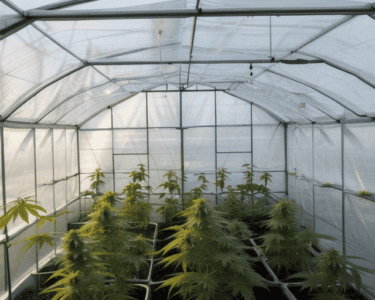
Greenhouses represent a compelling choice for cannabis cultivation due to their ability to provide controlled environments. Unlike traditional outdoor farms that contend with unpredictable weather conditions, greenhouses shield plants from rain, pests, and extreme temperatures. By utilizing various technologies, such as evaporative cooling systems and automated irrigation, growers can optimize conditions for photosynthesis, nutrient uptake, and growth cycles. This controlled, year-round cultivation nurtures cannabis plants that are often of superior quality and potency.
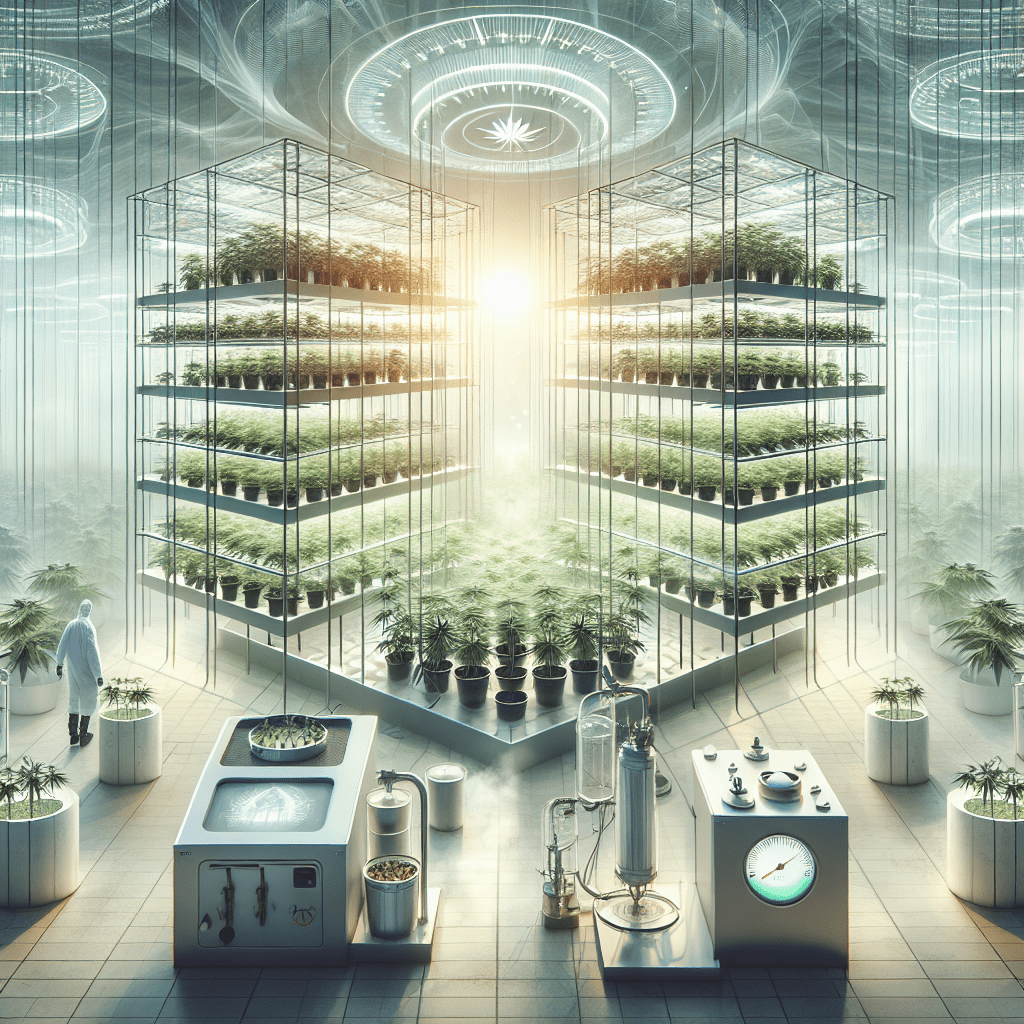
Recent advancements in greenhouse technology further enhance the efficacy of cannabis cultivation. For instance, personalized climate control systems allow growers to tailor conditions for specific cannabis strains, which can be crucial for maximizing terpene and cannabinoid profiles. Additionally, integration with local environmental resources, such as rainwater harvesting or solar panels, provides sustainable energy solutions, making greenhouse operations economically viable while protecting the ecosystem.
Economic Benefits
The economic landscape for cannabis cultivation is shifting dramatically. As more states legalize cannabis, the market continues to flourish, creating significant opportunities for both entrepreneurs and established agricultural businesses. A study by the Agricultural Marketing Resource Center indicated that the total value of the U.S. legal cannabis market could reach approximately $41.5 billion by 2025. Greenhouses can capitalize on this upward trend through more efficient production techniques.
Furthermore, cultivation in greenhouses supports local economic development. They tend to require fewer capital investments compared to indoor facilities, lowering the barrier for entry, particularly for small-scale farmers. This, coupled with the potential for higher yields, allows greenhouse growers to compete effectively in the marketplace. Local farming not only creates jobs but also fosters community engagement while ensuring that residents have access to high-quality products that align with consumer demand for local and sustainably grown cannabis.
Sustainability and Environmental Impact
With growing concern over climate change and food security, the cannabis industry is increasingly under scrutiny regarding its environmental impact. However, the greenhouse model stands out for its sustainability. By promoting innovative practices, greenhouse growers can significantly reduce their carbon footprint. For instance, they often utilize less water than traditional farming methods, thanks to efficient irrigation systems that channel moisture directly to the roots.
Moreover, many greenhouses are adopting organic growing methods, employing natural pest control strategies instead of harmful pesticides. This not only aligns with consumer demands for organic products but also benefits surrounding ecosystems. The versatility of greenhouses allows for year-round cultivation without the extensive land use associated with outdoor farms, making them a compelling option for a sustainability-focused industry.
Current Trends and Regulations
Amid these benefits, regulatory frameworks and compliance remain critical factors in cannabis cultivation. As of 2023, the landscape varies dramatically from state to state. In places like California and Colorado, where cannabis is fully legalized, policies are evolving to support greenhouse cultivation, including reduced licensing fees and lower taxes on greenhouse-grown cannabis. In contrast, other states are still navigating the complexities of legalization, with regulations that may not yet fully recognize the advantages of greenhouse cultivation.
A recent report from the Cannabis Business Times noted a growing trend in outdoor and greenhouse cultivation operations that adopt regenerative farming practices. This indicates a shift towards more holistic and environmentally conscious production systems. Furthermore, as consumers become more informed, there is an increasing preference for transparently sourced cannabis, leading growers to adopt practices that showcase their commitment to sustainability.
The Future of Greenhouse Cannabis Cultivation
As we look ahead, the future of cannabis cultivation in greenhouses appears bright. With a robust market predicted for the coming years, growers that adopt greenhouse technologies will have a competitive edge. Innovations in automation, biotechnology, and sustainable practices have the potential to transform how cannabis is grown, ensuring quality while minimizing environmental impacts.
However, it will be crucial for policymakers to create supportive frameworks that encourage greenhouse cultivation, particularly in states still developing their cannabis regulations. By fostering an environment conducive to such sustainable practices, a future can be envisioned where cannabis is not just a lucrative industry but a model for responsible agriculture.
Conclusion
In conclusion, the benefits of cannabis cultivation in greenhouses extend beyond the simple mechanics of growing plants. With advancements in technology, economic viability, environmental sustainability, and evolving regulations, greenhouses present a promising pathway for the future of cannabis in the United States. As growers, communities, and consumers increasingly prioritize sustainability and quality, greenhouse cultivation may well set a new standard for the entire industry. The time for innovative, eco-friendly practices is now, and the push for responsible cannabis cultivation in greenhouses could redefine the agricultural landscape as we know it.
[ad_2]