
 By
By [ad_1]
Cultivating Cannabis Success: Top Tips for Greenhouse Enthusiasts
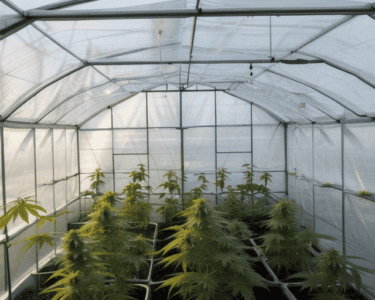
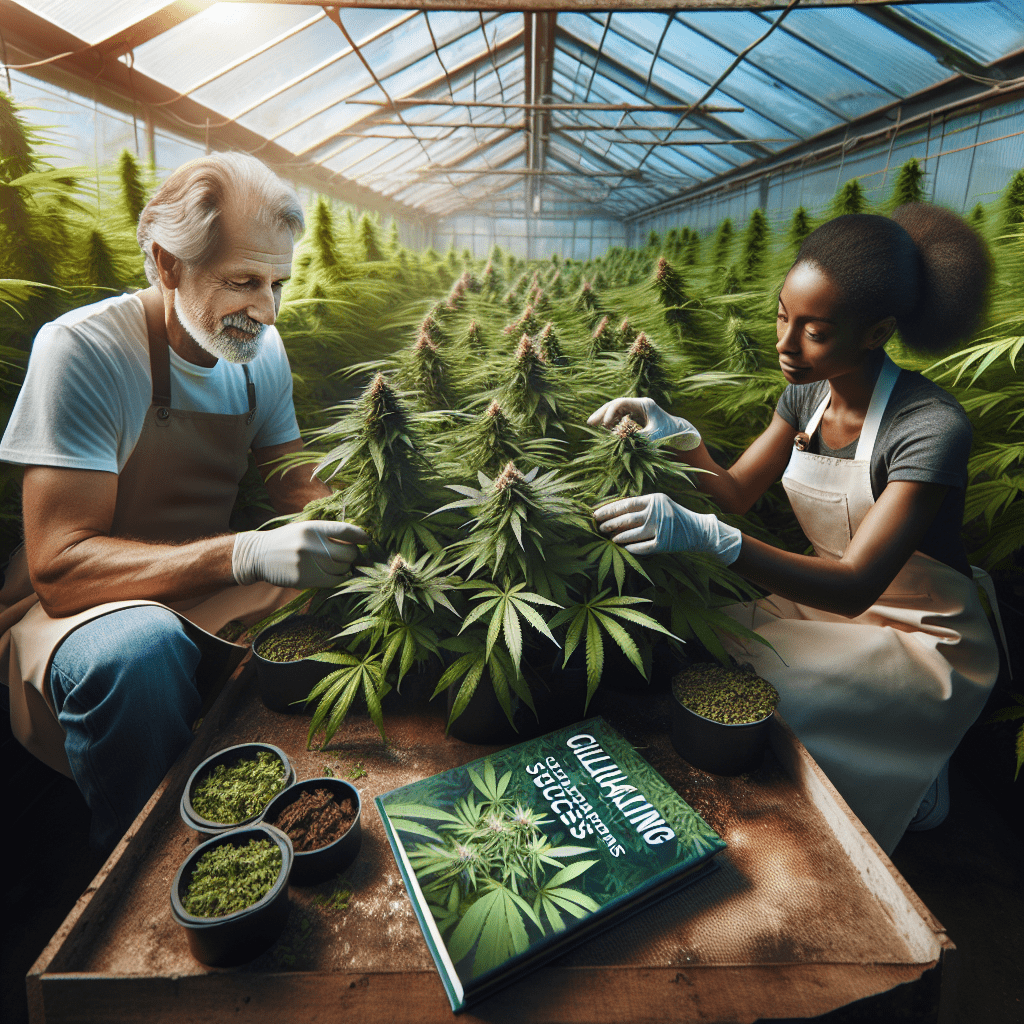
The surge in interest surrounding cannabis cultivation has ushered in a new era for greenhouse enthusiasts. Whether you’re a seasoned grower or a newcomer to the world of horticulture, understanding how to effectively cultivate cannabis in a greenhouse environment can lead to remarkable yields and high-quality product. Here are some top tips to help you on your journey to successful cannabis cultivation.
1. Choosing the Right Strain
Before planting, it’s imperative to select strains that are suited for greenhouse cultivation. For instance, choose photoperiod strains if your greenhouse environment allows for controlled light cycles, or opt for autoflowering varieties that flower based on age rather than light exposure. Strains that are known for resisting diseases and pests, like certain indicas, can also be advantageous for minimizing cultivation-related problems.
2. Optimal Greenhouse Conditions
Temperature and Humidity:
Maintaining the correct temperature is essential for cannabis growth. During the day, aim for temperatures between 70°F to 85°F (21°C to 29°C). At night, the temperature should ideally drop to about 60°F to 70°F (15°C to 21°C). A humidity level around 40% to 60% is optimal during the vegetative phase, dropping to about 30% to 40% during flowering to prevent mold and bud rot.
Ventilation:
Proper air circulation is crucial in a greenhouse setting. Ensure you have exhaust fans to expel hot air and passive or active intake systems to bring in cooler air. Consider using oscillating fans to maintain airflow around the plants, preventing hot spots and promoting even growth.
Light Management:
Natural sunlight is the best light source for cannabis cultivation. However, during the flowering stage, you may want to supplement with grow lights to ensure your plants receive adequate light for optimal growth. Use LED grow lights, as they provide ample light with less heat and are energy-efficient.
3. Soil and Nutrients
Soil Quality:
The foundation of any successful cannabis plant is its soil. Invest in high-quality, well-draining soil that is rich in organic matter. A soil pH level between 6.0 and 6.8 is ideal for cannabis.
Nutrients:
Cannabis plants have different nutritional needs at various growth stages. During the vegetative phase, focus on high-nitrogen fertilizers, while during the flowering phase, switch to phosphorous and potassium-rich nutrients. Remember to follow the recommended feeding schedule and avoid nutrient burn by not over-fertilizing.
4. Pest and Disease Management
Herbivorous pests like aphids, spider mites, and whiteflies can wreak havoc on your cannabis plants. To maintain a pest-free environment, consider introducing beneficial insects like ladybugs and predatory mites. Additionally, using insecticidal soap or neem oil can help manage infestations organically.
Monitor your plants regularly for any signs of pests or disease. Early detection and treatment can save your crop from severe damage. Integrated pest management (IPM) strategies, including sanitation and proper plant spacing, can be effective in keeping your plants healthy.
5. Watering Practices
Proper watering is key to avoiding root rot and promoting healthy growth. Watering schedules can depend on various factors such as the size of the pots, temperature, and humidity levels. A good rule of thumb is to let the top inch of soil dry out before watering again.
Using a drip irrigation system can help maintain soil moisture consistently and save time. Additionally, consider the quality of your water; pH levels should be between 6.0 and 7.0 for optimal nutrient absorption.
6. Training Techniques
To maximize yield, employ training techniques such as topping, low-stress training (LST), or the Screen of Green (ScrOG) method. These methods encourage bushier growth and allow better light penetration, resulting in more bud sites and higher yields.
7. Timing Your Harvest
Knowing when to harvest can significantly influence the potency and quality of your cannabis. The trichomes on the buds will serve as an excellent indicator; clear trichomes indicate that the plant is not ready, while milky white trichomes signal peak potency. Amber trichomes suggest the plant has reached its peak THC levels but may lead to a more sedative effect.
FAQs
Q: What is the best time of year to grow cannabis in a greenhouse?
A: Spring is the ideal time to start cannabis plants in a greenhouse. Seedling growth can begin indoors, and once the danger of frost has passed, they can be transferred outdoors or in the greenhouse.
Q: How often should I fertilize my cannabis plants?
A: During the vegetative phase, fertilize every 1-2 weeks with a balanced fertilizer. During flowering, switch to bloom fertilizers every 2-3 weeks, depending on how your plants respond.
Q: Is it necessary to use grow lights for cannabis in a greenhouse?
A: Not always. If your greenhouse receives ample natural sunlight, you might not need additional grow lights. However, during the flowering stage or in low-light conditions, supplemental lighting can be beneficial.
Q: What are some common pests in cannabis cultivation?
A: Common pests include spider mites, aphids, whiteflies, and thrips. Regular monitoring and pest control measures can help keep these infestations under control.
By following these tips and principles, greenhouse enthusiasts can cultivate cannabis successfully, leading to productive and rewarding harvests. Embrace the challenges and joys of growing, and enjoy the fruits of your labor!
[ad_2]