
 By
By [ad_1]
Cultivating Creativity Through Cannabis Practices in the United States
The landscape of creativity in the United States is undergoing a transformation, heavily influenced by the growing acceptance and legalization of cannabis. As more states embrace this versatile plant for both medicinal and recreational use, it has emerged as a catalyst for creative thinking and innovation. Creative professionals, from artists to entrepreneurs, are increasingly turning to cannabis practices to spark inspiration and enhance their creative processes. This article will explore how cannabis is being utilized as a tool for creativity, the underlying science, and the cultural shifts that accompany these practices.
Historically, cannabis has been linked to creativity, with many famous artists and thinkers expressing their affinity for the plant. Figures like Bob Marley, Steve Jobs, and Pablo Picasso have all acknowledged the role that cannabis played in their creative endeavors. In modern times, the renewed interest in cannabis has led to a more nuanced understanding of its effects on the brain. Recent studies suggest that cannabis can encourage divergent thinking, a type of thinking that generates creative ideas by exploring many possible solutions. This scientific backing is attracting not only artists but also business leaders seeking to unlock innovative ideas in the workplace.
In 2021, the American Psychological Association published research indicating that cannabis may alter brain connectivity and enhance cognitive flexibility, which is vital for creative thinking. Moreover, certain strains of cannabis, particularly those high in THC, have been shown to elevate mood and reduce anxiety—two factors that can hinder creativity. By promoting relaxation and freeing the mind from conventional constraints, cannabis has positioned itself as an ally for those looking to break through creative blocks. This emerging understanding is prompting more people to explore the potential of cannabis as inspiration in their various artistic and professional pursuits.
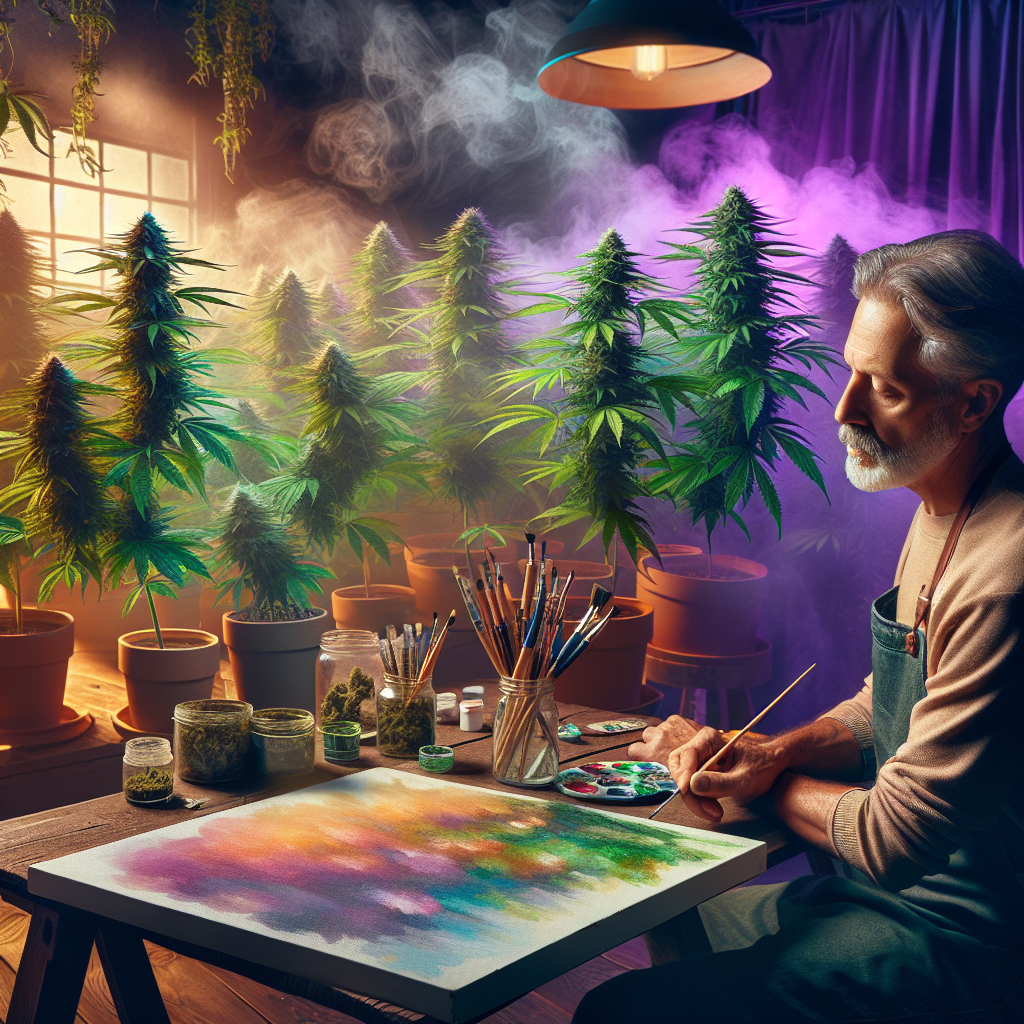
Current trends showcase an array of cannabis-related practices dedicated to fostering creativity. Cannabis lounges, art classes, and creative workshops inspire participants to use cannabis as a medium for exploration. For instance, painting and pottery classes that encourage cannabis consumption allow attendees to engage with their art form in a relaxed and open-minded setting. These activities not only ignite creativity but also create community spaces where ideas can be shared and celebrated. The popularity of these workshops signifies a broader cultural shift towards normalizing the use of cannabis within the creative sphere.
In addition to recreational uses, many professionals are integrating cannabis into their work environments. Companies in the tech and design sectors are beginning to reevaluate their approaches to work, often incorporating cannabis-friendly policies to encourage creativity among their employees. For instance, businesses are establishing designated areas for cannabis use, encouraging their teams to step outside traditional confines and return with fresh perspectives. This trend can be attributed to the growing body of evidence suggesting that relaxed environments foster productivity and innovative thinking. In a world that values creativity as a critical driver of business success, embracing new methods of inspiration could be highly beneficial.
Importantly, the conversation surrounding cannabis and creativity also raises questions about responsibility and safety. As more individuals embrace cannabis as a tool for inspiration, it is essential to highlight the importance of moderation and informed consumption. Not all strains are conducive to creativity; some may induce anxiety or paranoia, which can counteract inspiration. For those new to cannabis or uncertain about its effects, starting with small doses and exploring different strains can help find the right balance for a creative boost. Educational resources and community discussions are paramount to ensure that individuals are equipped to use cannabis in a way that enhances, rather than stifles, their creative abilities.
Furthermore, the legal landscape surrounding cannabis continues to evolve, impacting how creativity is expressed and nurtured. As of 2023, over half of U.S. states have legalized cannabis for recreational use, and many more permit it for medicinal purposes. This increasing availability not only expands access for creative individuals but also emboldens discussions around cannabis use in artistic expression. With changing legal norms, artists are finding new ways to incorporate cannabis into their work, whether through performance, visual art, or interactive experiences.
As cannabis becomes more mainstream, brands and companies are beginning to partner with artists to create innovative products that celebrate the intersection of cannabis and creativity. Collaborative projects, such as limited-edition cannabis strains inspired by local artists or creative events hosted in cannabis-friendly venues, signal a new paradigm of artistic expression. These partnerships not only promote cannabis culture but also celebrate the artists and their crafts, helping to elevate the conversation around creativity and cannabis to new audiences.
In conclusion, the integration of cannabis into creative practices in the United States is reshaping how individuals and communities conceive of inspiration and artistic expression. From enhancing cognitive flexibility and reducing anxiety to fostering collaboration and community building, cannabis is emerging as a powerful tool for unlocking creativity. However, as the conversation evolves, it is vital to approach cannabis with an informed perspective, balancing exploration with responsibility. As we navigate this new landscape, it invites us to consider how our relationships with creativity, culture, and cannabis will continue to grow, inspiring future generations of artists and innovators. Reflecting on this blend of artistry and nature, one must ponder: how can we harness the evolving paradigms of creativity to transcend traditional boundaries and redefine what it means to be innovative?
[ad_2]