 By
By The Science Behind Cannabinoids: Unlocking Their Potential in Medicine in the United States
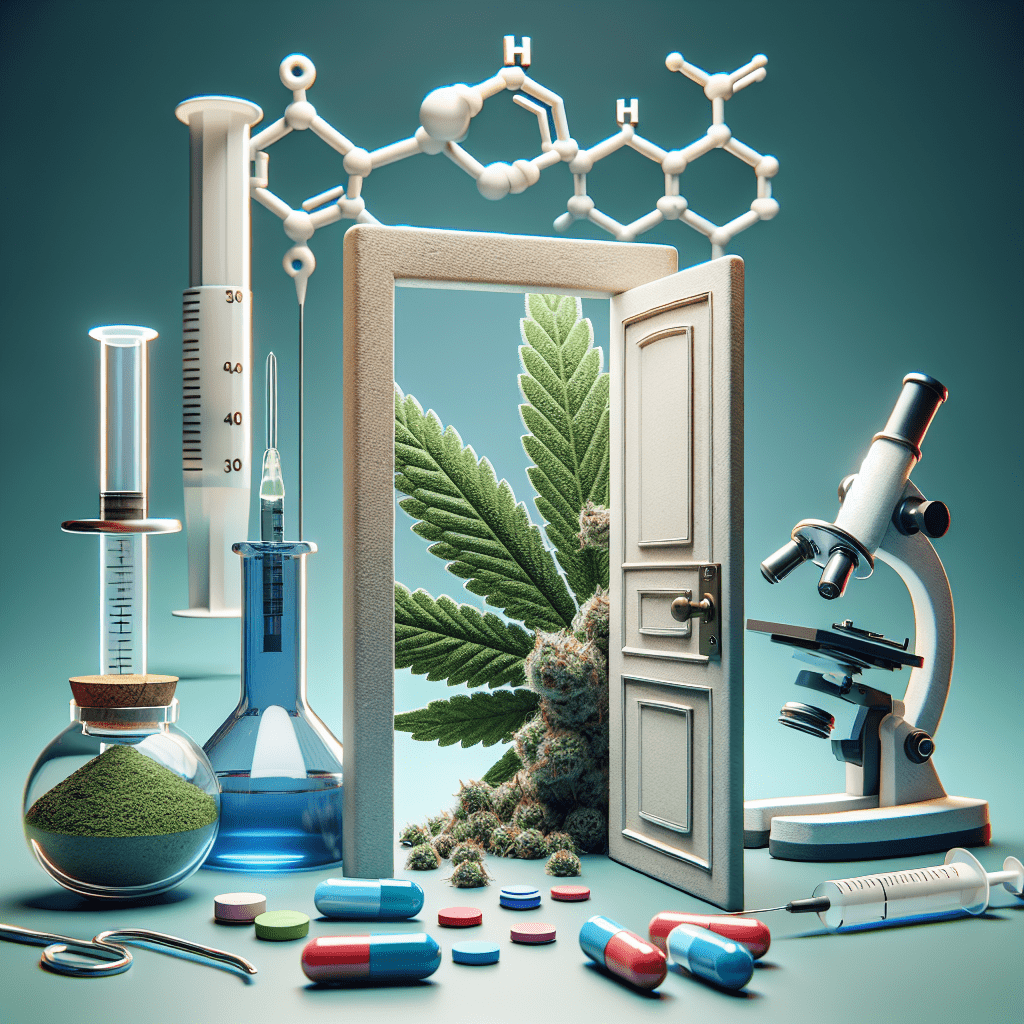
In recent years, the conversation surrounding cannabinoids has shifted dramatically from a fringe discourse into the mainstream, capturing the attention of researchers, healthcare professionals, and patients alike. Cannabinoids, the active compounds found in the cannabis plant, have historically been viewed through a lens of stigma and misunderstanding. However, emerging scientific evidence is beginning to illuminate their therapeutic potential, leading to exciting developments in the medical landscape of the United States. This article will explore the science of cannabinoids, current trends in medical research, and the implications for healthcare moving forward.
Understanding Cannabinoids
Cannabinoids are a diverse class of chemical compounds that interact with the endocannabinoid system (ECS) in the human body—a complex network involved in regulating various physiological processes, including mood, appetite, and immune function. Major cannabinoids include tetrahydrocannabinol (THC) and cannabidiol (CBD), each exhibiting unique pharmacological properties. THC is primarily responsible for the psychoactive effects of cannabis, whereas CBD is non-intoxicating and has garnered significant attention for its potential medicinal benefits.
Research has identified at least 113 distinct cannabinoids, and many are still undergoing investigation. The ECS plays a pivotal role in homeostasis, suggesting that cannabinoids can influence a variety of conditions, from chronic pain and inflammation to anxiety and epilepsy. This complex relationship opens avenues for a wide array of therapeutic applications, underscoring the need for comprehensive research to fully explore and validate their medicinal properties.
Current Trends in Cannabinoid Research
A groundbreaking change in U.S. legislation has paved the way for increased research in cannabinoids. Following the 2018 Farm Bill, which legalized hemp-derived CBD products, a wave of interest and investment has surged into the cannabinoid market. According to Brightfield Group, the CBD market alone is expected to reach $24 billion by 2023. This surge is matched by growing scientific inquiry; the National Institutes of Health (NIH) reported that over 1,500 studies were published on cannabinoids in 2022 alone.
Key trends in research include the exploration of cannabinoids for conditions such as chronic pain, epilepsy, and anxiety disorders. A 2023 study published in The Journal of Pain found that patients with chronic pain reported significant relief when using cannabinoid-based therapies. Likewise, a well-publicized clinical trial focused on CBD’s effects on childhood epilepsy syndromes, such as Dravet syndrome, has demonstrated promising results. The Food and Drug Administration (FDA) approved Epidiolex, a CBD-based medication, in 2018, a milestone that highlights the growing acknowledgment of cannabinoids’ therapeutic potential.
Integrating Cannabinoids into Conventional Medicine
As research expands, the integration of cannabinoids into conventional medicine is both a promising opportunity and a complex challenge. Healthcare providers face the task of considering cannabinoids as therapeutic options while navigating a historically restrictive framework. Many states have adopted medical cannabis programs, allowing patients to access cannabis products with a physician’s recommendation. However, inconsistencies in regulations and a relative lack of standardized dosing and formulations complicate clinical use.
Experts emphasize the importance of robust clinical trials to solidify the understanding of dosing, efficacy, and safety profiles of cannabinoids. In a 2023 position statement, the American Medical Association (AMA) highlighted the necessity for more extensive research and urged lawmakers to support such studies to facilitate the integration of cannabinoids into treatment paradigms.
Another significant hurdle is the stigma that still surrounds cannabis use in many medical settings. Several healthcare providers remain cautious about recommending cannabinoid treatments due to lingering stereotypes and conflicting views on cannabis as a substance. Increasingly, though, patients are advocating for their right to explore cannabinoid options. Many report positive experiences with cannabinoids, driving demand for more healthcare professionals to be informed and willing to engage with this rapidly evolving field.
Future Implications for Healthcare and Policy Reform
As the body of evidence supporting cannabinoid use continues to grow, the implications for healthcare are profound. If integrated effectively into clinical practice, cannabinoids may represent an alternative or complement to traditional pharmaceuticals, especially in cases where conventional treatments prove inadequate. For conditions like chronic pain, where opioid addiction is a significant concern, cannabinoids may offer a safer therapeutic option.
However, the path forward requires not just scientific validation but also policy reform. Policymakers will need to create frameworks that support research funding, standardize product formulations, and establish regulations that facilitate safe access for patients. Advocacy groups are increasingly mobilizing to influence legislative changes, pushing for a reevaluation of cannabis as a therapeutic option.
Conclusion: The Journey Ahead
The journey of unlocking the potential of cannabinoids in medicine is only just beginning. With the current landscape steadily evolving, the promise of cannabinoids in treating a range of medical conditions holds exciting possibilities. As research advances, and public opinion slowly shifts, healthcare professionals have an opportunity to fundamentally change the dialogue around cannabinoids.
The science of cannabinoids may redefine therapeutic strategies, offering new hope for patients struggling with chronic conditions. Yet, with this potential comes responsibility—ensuring safe, effective, and informed use of cannabinoids in medical practice. As we move forward, it is imperative that we remain vigilant, promoting a science-based approach that prioritizes patient well-being in what is undoubtedly a transformative chapter in medicine.