
 By
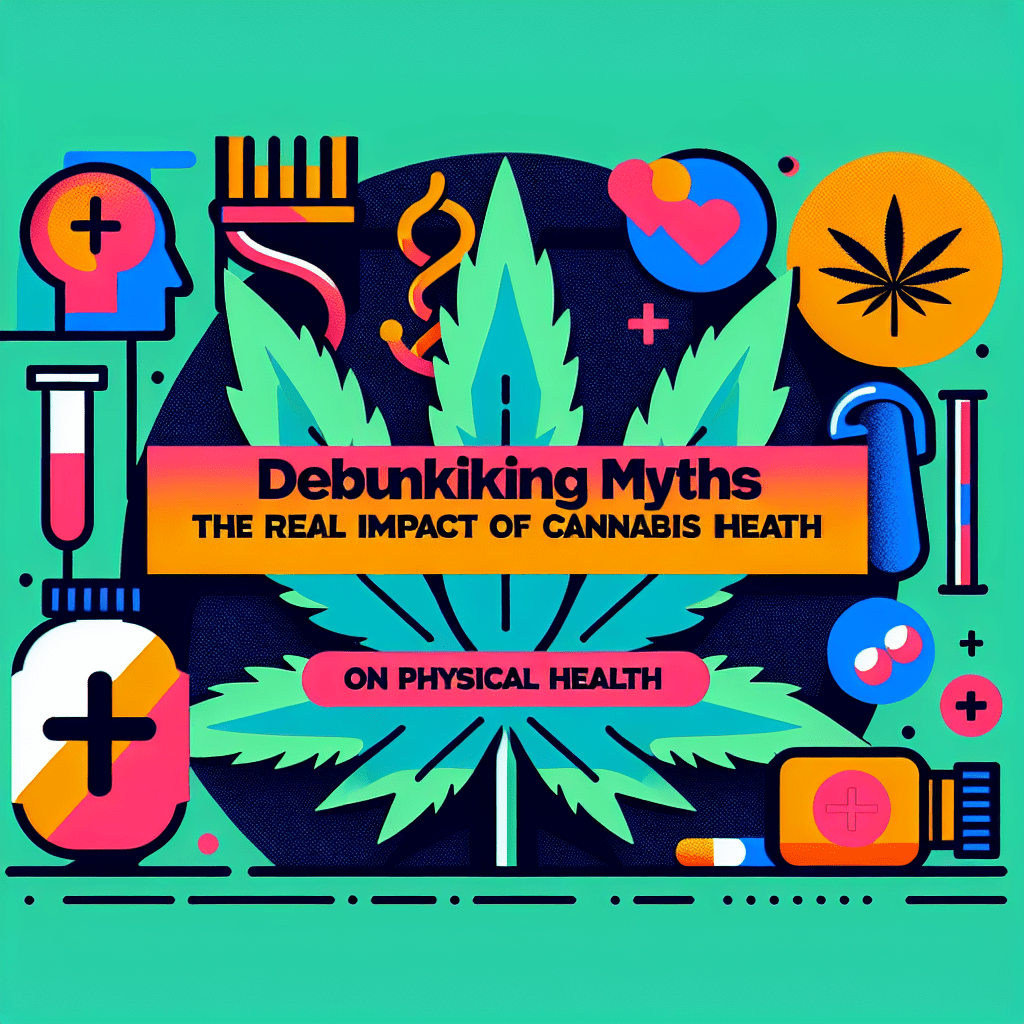
By Debunking Myths: The Real Impact of Cannabis on Physical Health in the United States
In recent years, cannabis has emerged from the shadows of prohibition to become one of the most discussed and debated substances in modern society. Medical marijuana has been legalized in numerous states, and recreational cannabis use has gained traction in various regions, including states like California and Colorado. However, the narrative around cannabis is often clouded by myths and misconceptions that can hinder informed choices about its use and impact on physical health. This article aims to debunk some prevalent myths surrounding cannabis and illuminate its real effects on physical health based on current information.
Myth 1: Cannabis is Harmless
One of the biggest misconceptions is the belief that cannabis is completely harmless simply because it is natural. While cannabis may have therapeutic properties, it is not devoid of risks. A considerable body of research indicates that frequent use, especially in adolescents and young adults, can lead to cognitive impairment, addiction, and mental health issues such as anxiety and depression. According to the National Institute on Drug Abuse (NIDA), about 9% of cannabis users will become dependent on it, with the number increasing to about 17% among those who start using in their teens.
On the other hand, cannabis can have several medicinal benefits. Medical cannabis is recognized for its efficacy in treating chronic pain, nausea from chemotherapy, and spasticity in multiple sclerosis, among other conditions. Therefore, while cannabis can be beneficial, especially when used correctly in a therapeutic context, it is crucial to understand that it comes with risks that users need to acknowledge.
Myth 2: Cannabis Always Increases Appetite
The stereotype that cannabis automatically induces uncontrollable munchies has dominated popular culture. While it is true that certain compounds in cannabis, particularly tetrahydrocannabinol (THC), can lead to increased appetite, this effect is not universal. Various individual factors—such as genetics, tolerance levels, and the strain of cannabis consumed—play roles in how cannabis affects appetite.
Moreover, non-psychoactive compounds in cannabis, like cannabidiol (CBD), have demonstrated the potential to suppress appetite in some studies. This complex relationship suggests that the effects of cannabis on appetite may not be as clear-cut as previously thought. Understanding these nuances can affect treatment strategies for conditions like obesity, where appetite regulation is crucial.
Myth 3: Cannabis Use Leads to Lung Damage
A prevalent myth is that smoking cannabis is equivalent to smoking tobacco in terms of lung damage. While smoking any substance can potentially harm lung health, research suggests that using cannabis may not incur the same level of risk when compared to tobacco. According to a study published in the Journal of the American Medical Association (JAMA), occasional cannabis users did not experience significant lung function declines when compared to non-smokers. Additionally, some studies have suggested that cannabis may exhibit anti-inflammatory properties that could counteract lung damage.
Nonetheless, inhaling cannabis through smoke may still cause irritation, resulting in bronchitis symptoms. Alternative consumption methods such as edibles, tinctures, or vaporization present safer options for those concerned about lung health. As with any substance, moderation and method of consumption play vital roles in its overall impact.
Myth 4: Cannabis Causes Heart Disease
Another pervasive myth is that cannabis use is directly linked to an increased risk of heart disease. Some studies have reported that cannabis can temporarily raise heart rate and blood pressure, leading to concerns that it may predispose individuals to cardiovascular issues. However, the evidence is still inconclusive. A research review published in the Journal of the American College of Cardiology indicated that while there were associations between cannabis use and heart health, the relationship is complex and often confounded by other factors like tobacco use and lifestyle choices.
Moreover, some studies suggest potential cardiovascular benefits; cannabis may help reduce inflammation and improve circulation. Therefore, labeling cannabis outright as a risk factor for heart disease overlooks the potential beneficial effects and the need for further research.
Myth 5: Cannabis Harms Physical Fitness
Many believe that cannabis use interferes with physical fitness and athletic performance. While the impact of cannabis on coordination and reaction times, especially when consumed shortly before exercising, is evident, the effects can vary depending on dosage, timing, and individual physiology. Research indicates that some athletes use cannabis for pain relief, relaxation, and recovery, appreciating its anti-inflammatory properties. The World Anti-Doping Agency has even removed CBD from its list of banned substances, recognizing its legitimate use in sports.
That stated, using cannabis unwisely, particularly the intoxicating forms, can hamper performance and recovery, highlighting the importance of mindful consumption for those engaged in physical activity.
Conclusion
The landscape of cannabis use in the United States is evolving rapidly, fueled by changing laws and societal attitudes. As it becomes more widely accepted, it is essential to have an honest conversation about its impact on physical health. The myths surrounding cannabis can obscure the truth, potentially leading to inappropriate or harmful use.
While cannabis has therapeutic potential and can benefit various medical conditions, it is not without risks. Users must be educated on safe consumption methods and potential health implications to make informed decisions. As research continues to provide new insights, we can hope for a clearer, more accurate understanding of cannabis and its real effects on physical health. In abating myths and misconceptions, we empower individuals to make choices that benefit their overall well-being.