

 By
By [ad_1]
As cannabis legalization continues to sweep across the United States, an increasing number of enthusiasts and entrepreneurs are looking to enter the world of cannabis cultivation. From recreational users to medicinal advocates, understanding how to grow cannabis can be both empowering and financially rewarding. However, growing cannabis can seem daunting to beginners due to the plant’s specific requirements and varying legal regulations. This guide aims to illuminate the cannabis growth process, demystifying the intricacies involved and providing insights that are relevant as of 2023.
Understanding the Legal Landscape
Before embarking on the journey of growing cannabis, it is essential to comprehend the legal landscape. As of 2023, 38 states have legalized medical cannabis, and 23 states permit recreational use. However, legality does not equate to freedom in terms of growing cannabis. Each state has its own set of regulations governing cultivation—some allow personal grows, while others have strict limitations or require permits. For instance, states like California may permit individuals to grow up to six plants for personal use, while New York permits three mature plants per individual. Understanding these local regulations is pivotal, not only for compliance but also for ensuring a successful growth process.
Selecting the Right Genetics
One of the most crucial aspects of cannabis cultivation lies in selecting the right strain. Cannabis is broadly categorized into three types: Indica, Sativa, and Hybrid, each with distinctive effects and growth patterns. Indica strains are typically associated with relaxation, while Sativa strains offer energizing effects, and Hybrids combine characteristics from both. Beginners should consider their goals—whether for medicinal use, recreational enjoyment, or specific effects—before choosing a strain. Reputable seed banks and dispensaries provide a wealth of information about strain characteristics, which can help novice growers select genetics that align with their needs.
Setting Up the Grow Environment
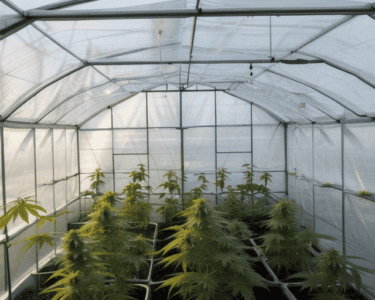
Creating the optimal environment for cannabis growth is fundamental to achieving a healthy, thriving plant. Indoor versus outdoor cultivation largely influences how growers set up their environments. Indoor growers benefit from climate control but must invest in appropriate lighting, ventilation, and nutrient systems. High-Intensity Discharge (HID) lights, Light Emitting Diodes (LEDs), and fluorescent lights are common options that provide the necessary spectrum for photosynthesis.
On the other hand, outdoor growers must consider the natural climate. Regions with warm, sunny days and mild nights are ideal. Additionally, outdoor cultivation requires attention to soil quality, drainage, and protection from pests and diseases. Familiarizing oneself with the environmental needs of cannabis, including ideal temperature ranges and humidity levels, can dramatically improve outcomes for beginners.
Nutritional Needs and Watering Practices
The nutritional needs of cannabis plants are another critical area where beginners often face challenges. Cannabis typically requires a balance of macronutrients: nitrogen, phosphorus, and potassium, along with secondary nutrients like calcium, magnesium, and sulfur. There are many commercially available nutrient solutions tailored for cannabis, providing a clear path for novice growers. Additionally, organic growing methods using compost and other natural fertilizers have gained popularity, aligning with a growing trend towards sustainable agriculture.
Watering practices are equally important. Overwatering is one of the most common pitfalls for novice growers, leading to root rot and other issues. A good rule of thumb is to allow the top inch of the soil to dry out before watering again. Using pH-balanced water ensures that plants can absorb the nutrients they need effectively.
The Life Cycle of Cannabis
Understanding the life cycle of cannabis—from germination to harvest—is pivotal for achieving successful growth. Germination typically takes about 3-7 days, and once seedlings emerge, they enter the vegetative stage, a period characterized by rapid growth. This stage can last from 4 to 8 weeks, depending on the grower’s objectives and the specific strain.
After the vegetative stage, plants enter the flowering phase, which can be induced by altering light cycles in indoor environments. Flowers develop, the plants’ scents intensify, and the THC levels rise. Notably, the flowering stage can last 8-12 weeks, depending on the strain. Harvesting at the right moment is crucial to maximize potency and flavor, typically indicated by the color of the trichomes on the buds.
Current Trends and Innovations in Cannabis Cultivation
As of 2023, several trends and innovations are shaping the future of cannabis cultivation in the U.S. One notable shift is the increasing adoption of aquaponics and hydroponics within the industry. These soil-less growing methods not only conserve water but also promote faster plant growth. Moreover, the rise of automated grow systems allows novice growers to optimize their setups without needing to master every aspect of cultivation initially.
Sustainability remains at the forefront of conversations around cannabis cultivation. Growers increasingly seek eco-friendly practices to limit their carbon footprints, including implementing renewable energy sources and reducing waste through composting and recycling. These efforts reflect a broader awareness of environmental issues and a collective commitment to sustainable cannabis production.
Conclusion: The Future of Cannabis Cultivation
As legalization continues to evolve and the market expands, the potential for cultivating cannabis presents both challenges and opportunities for beginners. Armed with the right knowledge about laws, genetics, environments, nutrition, and technology, novice growers can confidently embark on their cannabis-growing journey. The road to successful cultivation may be filled with learning experiences, but with the growing community and a wealth of information available, it’s a journey worth taking.
Reflecting on the burgeoning cannabis industry, one can appreciate not only the personal benefits of cultivating cannabis but also its broader implications for society and the economy. As more people venture into this vibrant field, the collective understanding of cannabis cultivation will undoubtedly deepen, reshaping perceptions and driving forward a more informed future. The green revolution is here—are you ready to join?
[ad_2]