
 By
By [ad_1]
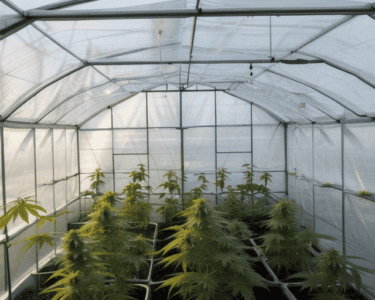
As the cannabis industry in the United States continues to grow exponentially, greenhouse cultivation has emerged as an attractive option for many growers. By harnessing natural light and regulated environments, greenhouse cannabis production can lead to higher yields and more sustainable practices. However, growers are not without their challenges. With evolving regulations, climate variability, pest management issues, and market dynamics, successfully navigating the landscape requires innovation, adaptability, and a forward-thinking mindset.
The Evolving Regulatory Landscape
One of the most significant hurdles in the cannabis industry is the regulatory landscape, which varies dramatically from state to state. As of 2023, over 20 states have legalized recreational cannabis, with many more permitting medical use. However, the lack of federal legalization creates a patchwork of regulations that can complicate greenhouse operations. Growers need to be well-versed in both local and state laws to ensure compliance, which often involves understanding permits, tracking systems, and security measures.
Recent legislative changes, such as the SAFE Banking Act, aim to alleviate some bureaucratic constraints by providing financial institutions more freedom to work with cannabis businesses. This change could facilitate easier access to funding for greenhouse operations, leading to increased investment in technology and sustainable practices. However, the wait for comprehensive federal legalization continues, leaving many growers in a state of uncertainty.
Adapting to Climate Changes
Climate change poses another significant challenge for greenhouse cannabis production. Extreme weather events, extended droughts, and rising temperatures can all impact plant growth and yield. Growers must adapt to these environmental shifts, which often involves investing in advanced technologies such as climate control systems. These systems can moderate temperature and humidity, creating an optimal environment for cannabis growth regardless of external conditions.
Furthermore, climate-resilient strains are becoming a focal point for breeders. By developing strains that can withstand varying environmental conditions, growers can protect their crops and maintain production levels even in the face of climate-related adversities. Such advancements not only enhance sustainability but also help ensure consistent supply in an ever-competitive market.
Pest and Disease Management
Effective pest and disease management is crucial for any agricultural endeavor, but cannabis brings unique challenges. The plant is susceptible to a variety of pests, including aphids and spider mites, as well as diseases like powdery mildew and root rot. Integrated Pest Management (IPM) is increasingly recognized as an effective approach to mitigating these issues in a greenhouse setting.
IPM combines biological control, habitat manipulation, and chemical interventions—if absolutely necessary—to create a balanced ecosystem. Furthermore, advancements in organic pest control options align well with the industry’s push toward sustainable practices. By employing such methods, growers can minimize environmental impact while maximizing crop resilience and quality. Engaging with agricultural specialists and following research can also aid in staying ahead of potential pest and disease outbreaks.
Market Dynamics and Consumer Preferences
As the cannabis marketplace matures, growers are faced with shifting consumer preferences and competition. The rise of craft cannabis has changed the landscape, as consumers increasingly seek quality over quantity. This shift encourages greenhouse producers to focus on high-quality strains that can command a premium price in the market. Moreover, branding and marketing have become essential as growers differentiate themselves in a crowded field.
To capitalize on these trends, greenhouse growers are leveraging technology for precision agriculture, utilizing data analytics to make informed decisions about soil health, nutrient management, and water usage. Many are investing in environmentally friendly practices that resonate with eco-conscious consumers. By emphasizing sustainability and quality, growers can establish a strong brand presence in a competitive market.
The Promise of Technology
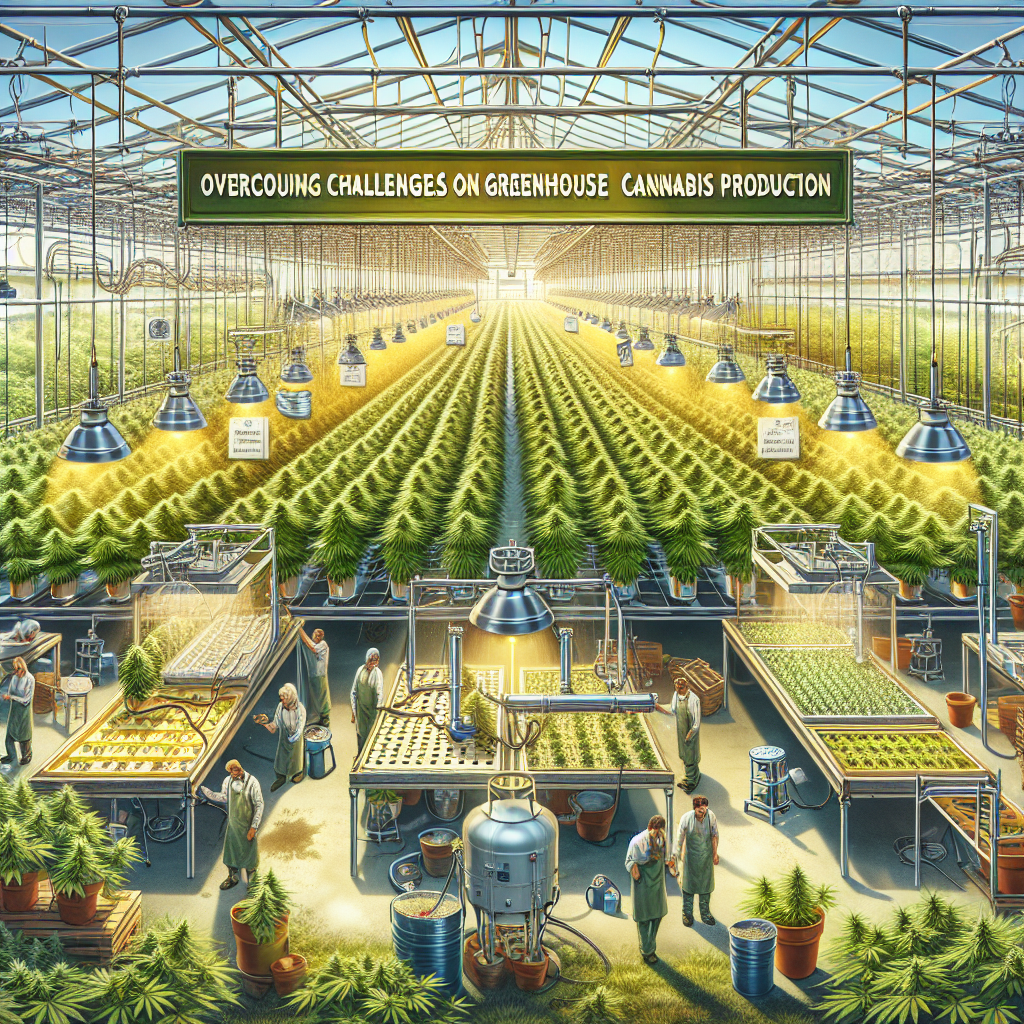
Technology is a game-changer in overcoming many challenges associated with greenhouse cannabis production. Innovations in automation, such as hydroponics and aeroponics, allow for efficient water and nutrient delivery while reducing labor costs. Smart sensors can monitor micro-climates within greenhouses, providing real-time data that optimize plant care.
Additionally, artificial intelligence (AI) and machine learning are increasingly being integrated into cultivation processes for tasks such as predicting harvest times, identifying plant stress, and even optimizing growth patterns. By incorporating these technologies, growers not only enhance productivity but also improve their ability to pivot in response to market trends and environmental conditions.
Conclusion: The Path Forward
As the cannabis industry in the United States continues to evolve, greenhouse production stands on the cusp of becoming a foundational pillar of the sector. While challenges such as regulatory hurdles, climate impact, pest management, and market dynamics remain, they are not insurmountable. Adaptation through innovative practices and technologies will be crucial for growers looking to thrive in this burgeoning landscape.
The path forward lies in collaboration among growers, researchers, and policymakers to foster a framework that promotes innovation, sustainability, and compliance. Equally important is the cultivation of consumer education around the benefits of greenhouse-grown cannabis. Ultimately, the success of greenhouse cannabis production rests on the ability to adapt, innovate, and position oneself advantageously in a rapidly changing industry. As the future unfolds, the potential for a thriving, responsible, and sustainable cannabis market is bright, provided the challenges are met with resilience and ingenuity.
[ad_2]