
 By
By Discovering the Healing Power of Cannabis for Everyday Wellness in the United States
As attitudes toward cannabis continue to evolve, so too does our understanding of its potential benefits for everyday wellness. For centuries, cannabis has been utilized across various cultures as a natural remedy for myriad ailments. Today, in the United States, we are witnessing a transformative shift, with cannabis being increasingly recognized for its therapeutic properties. From anxiety relief to pain management and even as a sleep aid, the healing power of this remarkable plant is capturing the attention of medical experts and everyday people alike.
The Evolving Legal Landscape
The journey toward wider acceptance of cannabis in the United States has been a rollercoaster ride, marked by significant milestones in legislation and public perception. As of 2023, cannabis is legal for recreational use in over 20 states and for medical use in many others. This shift is not merely legislative; it reflects a changing societal view about cannabis, moving from stigma to acceptance. With growing research supporting its medicinal properties, the conversation around cannabis has expanded beyond its recreational use. In states where it is legal, dispensaries are popping up offering a diverse range of products—from oils and edibles to topical applications—catering to a broad audience seeking alternative health solutions.
Understanding the Science Behind Cannabis
At the heart of the healing power of cannabis is the endocannabinoid system (ECS), discovered in the 1990s, which plays a critical role in maintaining homeostasis in our bodies. The ECS comprises receptors, endocannabinoids, and enzymes that work together to regulate various physiological processes such as mood, sleep, appetite, and pain sensation. Plant cannabinoids, like THC and CBD, interact with this system, facilitating relief without the phobia of dependency typically associated with pharmaceuticals.
Research has begun to unveil the therapeutic potential of cannabinoids. For instance, CBD (cannabidiol) is lauded for its anti-inflammatory and anxiolytic properties, making it an effective treatment for chronic pain and anxiety disorders. Studies have shown promising results in using CBD to significantly reduce anxiety in patients with social anxiety disorder and post-traumatic stress disorder (PTSD). THC (tetrahydrocannabinol), usually associated with the "high" from cannabis, also possesses analgesic properties that can provide relief from acute and chronic pain. As more scientific studies are initiated, we are bound to see even greater clarity on how cannabis can be effectively implemented in everyday wellness routines.
The Personalized Approach to Wellness
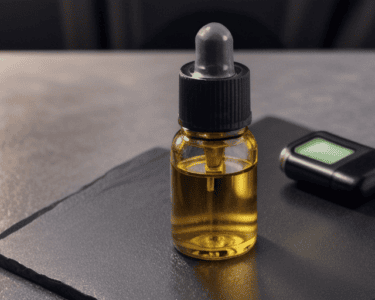
One of the most compelling aspects of cannabis for wellness is its ability to cater to individual needs. Unlike one-size-fits-all pharmaceutical solutions, cannabis offers a versatile approach where individuals can tailor their consumption to their specific health issues and lifestyle. With the vast array of products available, users can experiment with different strains, dosages, and methods of consumption—be it tinctures, edibles, or vape pens— to discover what works best for their health. This personalization enables a sense of agency over one’s own health, empowering users to take control of their well-being.
As the medical community continues to explore cannabis, there is an increasing emphasis on education and responsible use. Healthcare providers are now educating patients about potential benefits and risks, helping them make informed choices. This attention to individualized care is helping to destigmatize cannabis use further, particularly among older adults who may benefit from cannabis’ therapeutic properties for conditions like arthritis or insomnia.
Current Trends in Cannabis Wellness
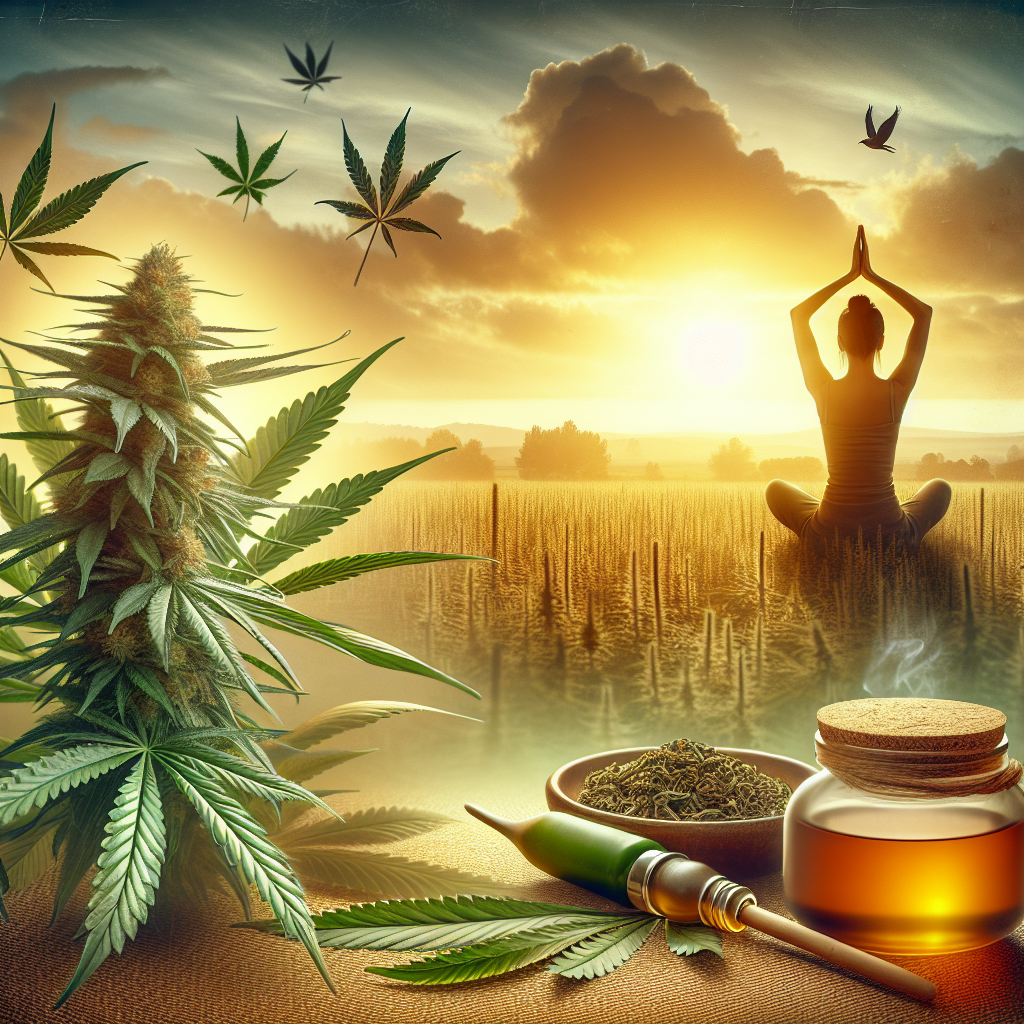
The renaissance of cannabis has given rise to a variety of trends that emphasize holistic wellness. For instance, the wellness industry has embraced CBD-infused products, from skincare to wellness beverages, touting their ability to alleviate stress and promote calmness. Moreover, the advent of "cannabis yoga" and mindfulness practices centered around cannabis consumption is gaining traction, offering individuals a unique way to engage with their bodies and mental states.
In 2023, a prominent trend is the rise of microdosing, where individuals consume small amounts of cannabis to experience its benefits while minimizing psychoactive effects. This practice has caught the attention of many, especially those looking to enhance focus or creativity without feeling "stoned." As research continues to unfold, microdosing may pave the way for more responsible cannabis use in everyday wellness.
The Role of Community and Advocacy
Another significant aspect of the cannabis movement is its strong sense of community and advocacy. Grassroots organizations and local cannabis clubs are fostering discussions around wellness, education, and compassionate use. These communities are essential in dismantling the stigma associated with cannabis and facilitating open conversations about its medical efficacy. Events such as cannabis expos and wellness fairs are becoming commonplace, offering a platform for individuals to learn, share experiences, and access resources.
Advocacy for responsible cannabis legislation is also growing. New conversations about social equity and justice reform are reshaping the landscape of cannabis use and commerce. As more states realize the importance of fair access to cannabis, particularly for marginalized communities disproportionately affected by drug policies, the narrative around cannabis is becoming increasingly inclusive and health-focused.
Conclusion: Embracing a Balanced Perspective
As we continue to navigate the complexities surrounding the healing power of cannabis, it is essential to maintain a balanced perspective. Cannabis is not a panacea; while it offers numerous benefits, it is not without its challenges, including potential side effects and the risk of overreliance. That said, the evidence is clear: cannabis possesses significant therapeutic credentials that cannot be overlooked.
The ongoing exploration of cannabis in everyday wellness invites us to reconsider traditional health paradigms. As the dialogue deepens and research expands, individuals and healthcare providers are forging a new path where cannabis can play a constructive role in holistic health. Ultimately, embracing the healing power of cannabis may not only reshape individual lives but also influence broader healthcare practices, encouraging the integration of plant-based medicine into modern wellness. Whether one is seeking relief from anxiety or exploring new avenues for self-care, the time has come to reimagine what wellness can mean in the 21st century.