
 By
By Elevate Your Wellbeing: Embracing Cannabis in Everyday Life in the United States
In recent years, the landscape of cannabis use in the United States has transformed dramatically. Once viewed primarily through a lens of stigma and restriction, cannabis is now increasingly recognized for its potential benefits, with many Americans incorporating it into their daily routines. As states continue to legalize both medical and recreational use, understanding the various uses and benefits of cannabis can elevate personal wellbeing and foster a more holistic approach to health.
Cannabis and Legalization: A Changing Paradigm
The legalization of cannabis has evolved rapidly across the nation. Currently, 23 states and Washington D.C. have legalized recreational cannabis, while 38 states have acknowledged its medicinal benefits. This shift not only reflects changing perceptions about the plant but also lays the groundwork for a new approach to health and wellness. The stigma previously surrounding cannabis use has lessened, and many consumers now view it as a viable option for improving quality of life.
This cultural revolution is paralleled by a growing body of research. Experts now advocate for a more nuanced understanding of cannabis, emphasizing the importance of cannabinoids like THC (tetrahydrocannabinol) and CBD (cannabidiol). While THC is known for its psychoactive effects, CBD has gained fame for its non-intoxicating benefits, which include anti-inflammatory and anxiolytic properties. This creates a dual approach to consumption that can be tailored to individual needs, thus elevating overall wellbeing.
Incorporating Cannabis into Daily Life
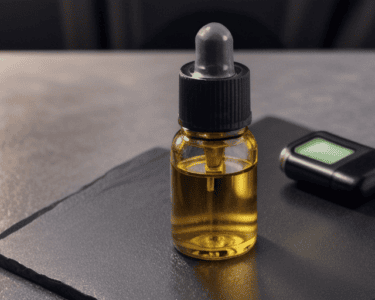
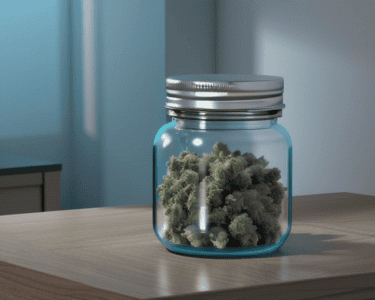
One of the most innovative aspects of the cannabis movement is how it encourages personalized health strategies. Today’s consumers have an array of products at their disposal, from traditional flower and edibles to oils, tinctures, and topicals. A significant trend emerging in the wellness sector is the integration of cannabis into self-care routines. Whether it’s through infused skin creams that target inflammation or oils used in aromatherapy, individuals can find a product that aligns with their lifestyle and wellness goals.
There is also a notable focus on microdosing—an approach that involves consuming tiny amounts of cannabis to reap benefits without significant psychoactive effects. This trend has gained traction especially among professionals seeking to enhance creativity or alleviate stress during demanding workdays. By integrating manageable doses of cannabis, individuals find they can enjoy productivity while managing stress in healthier ways.
Current Trends: Mindfulness and Community Engagement
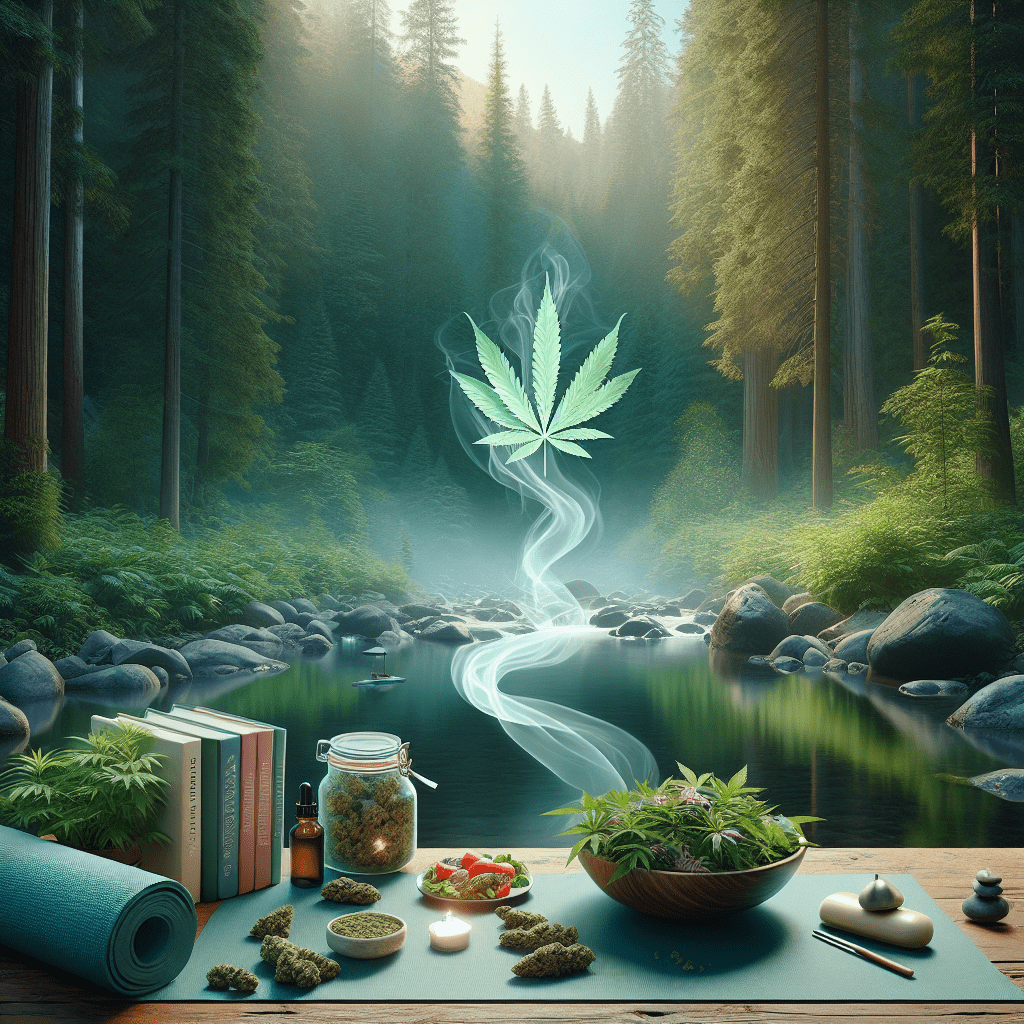
Current trends indicate a robust connection between cannabis use and mindfulness practices. More individuals are using cannabis to enhance meditation or yoga sessions, viewing the plant as a tool that complements their journey toward greater self-awareness and relaxation. This practice aligns with the ancient traditions of cannabis use but is now being revived in a modern context with a focus on mental health and emotional wellness.
Furthermore, community engagement plays a vital role in the cannabis conversation. Educators and advocates are utilizing platforms like workshops, seminars, and online forums to share knowledge about safe consumption and the potential benefits of cannabis. Numerous events and gatherings now emphasize a supportive community atmosphere that encourages dialogue around experiences and insights related to cannabis use.
Challenges and Considerations
Despite its many benefits, it’s essential to navigate the cannabis landscape thoughtfully. The lack of standardization and regulation in the industry can lead to inconsistent product quality and effects. Consumers must remain informed and wary of misleading claims, particularly when it comes to therapeutic benefits. Organizations like the American Herbal Products Association have begun to provide guidelines and quality standards to help consumers make educated choices.
Moreover, as cannabis becomes more mainstream, the potential for misuse and dependency remains a concern. Experts emphasize the importance of moderation and an awareness of one’s own body, recommending that newcomers consult healthcare providers to tailor their choices to their specific health needs. Safety should always be a priority in any wellness journey involving cannabis.
The Future of Cannabis in Wellbeing
The ongoing research surrounding cannabis use indicates that its place in the wellness industry will only grow more significant in the coming years. As laws evolve and more individuals become comfortable with its use, there will likely be advances in product development, including innovative formulations aimed at specific health issues. Major players in the health industry are beginning to take notice, producing their own lines of CBD-infused products—from beverages to beauty items—further validating the plant’s potential.
Moreover, as societal attitudes continue to shift, services such as cannabis counseling and therapy may become commonplace. Professionals could offer personalized guidance, combining traditional therapies with cannabis use to provide comprehensive treatment plans for mental health issues such as anxiety and PTSD.
Conclusion: Reflecting on Wellbeing
In this transformative era of cannabis, it’s clear that embracing the plant in everyday life offers numerous opportunities for individual and community wellness. The ongoing conversation about cannabis challenges us to reflect on our health choices, relationships with substances, and approaches to self-care. As societal norms continue to shift, cannabis has the potential to become an integral part of a holistic lifestyle focused on balance and wellbeing.
This journey into the world of cannabis invites us to reconsider our understanding of health itself: could elevating our wellbeing truly be as simple as embracing nature’s remedies? The potential is vast, and the choice is yours. Take a step forward and explore how cannabis might enrich your life in ways you’ve yet to imagine.